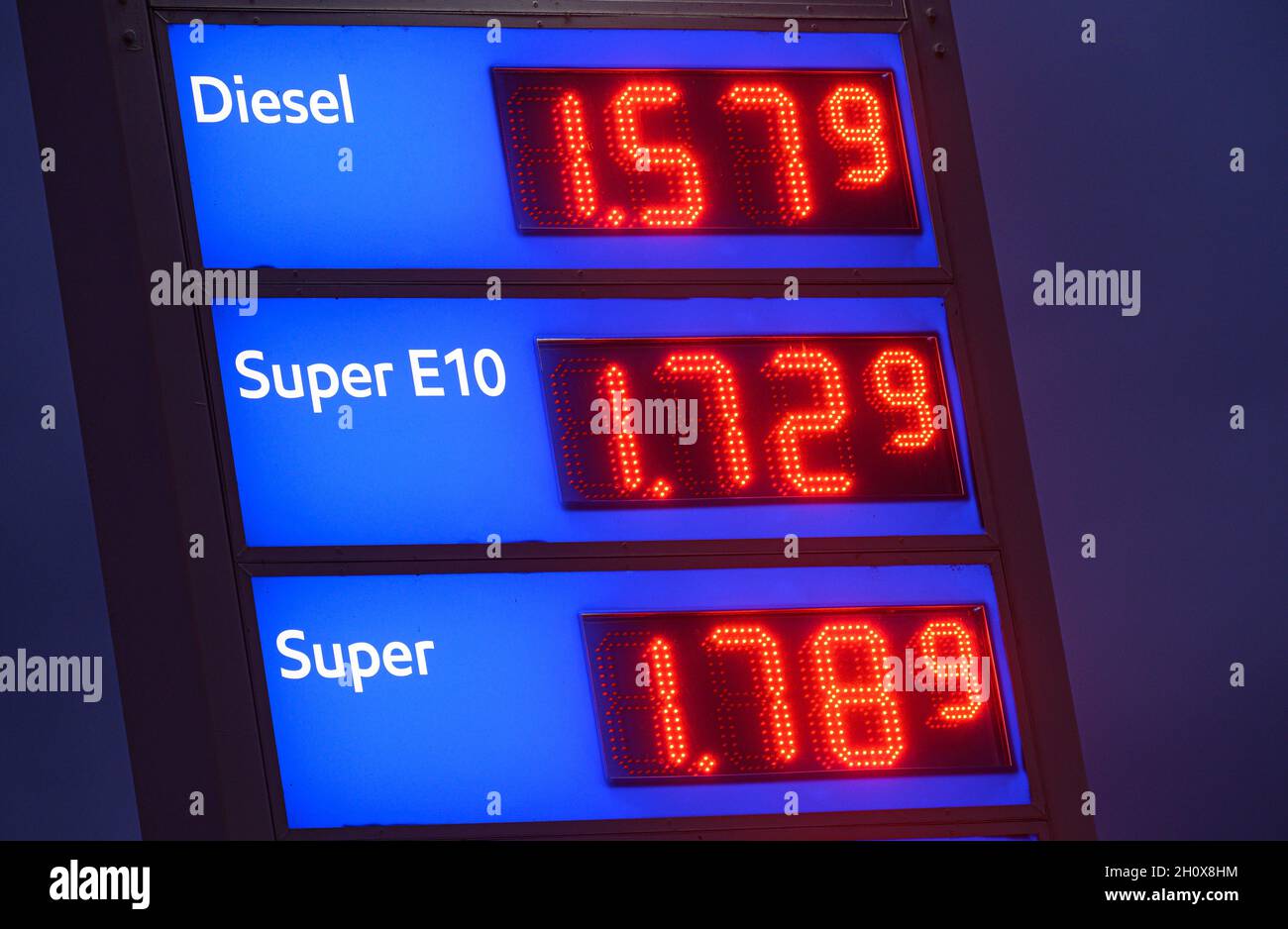
On Thursday at noon, fuel prices in Germany jumped by the largest margin ever recorded since the introduction of the 12 o’clock pricing rule, with Super E10 rising 13.1 cents and diesel climbing 14.9 cents per liter in a single surge.
This sharp reversal ends a two-week decline that followed Easter highs, during which diesel prices had fallen consistently while E10 edged up slightly to 2.063 euros per liter by Wednesday. The turnaround was signaled the day before, as diesel barely decreased and E10 began its upward creep.
The trigger appears to be the rebound in global oil markets, where Brent crude — the benchmark for European pricing — has climbed back above $100 per barrel after earlier retreats from post-Easter peaks. Analysts at the ADAC cite this as the likely driver behind the sudden shift at the pump.
Compounding the timing, the increase comes just days before a planned fuel tax reduction set to commence in May, which will lower the state levy by 16.7 cents per liter. However, consumers will not feel the full benefit immediately, as service stations must first exhaust inventory purchased under the higher tax regime.
This delay mirrors patterns seen in 2022, when tax cuts took several days to reflect at the pump due to existing fuel stocks. Conversely, when the tax rebate ends, prices may remain lower than expected as long as lower-taxed fuel remains in underground tanks.
For more on this story, see German housing prices near 2022 highs as lending surges despite rising borrowing costs from Iran war impact.
The phenomenon underscores a recurring tension in energy pricing: while political interventions aim for immediate relief, market mechanics and logistical buffers often blunt or delay their impact, creating a gap between policy intent and consumer experience.
How the tax cut delay affects consumer relief
Whereas the state is set to reduce fuel taxes by 16.7 cents per liter starting in May, the actual savings at the pump will lag by several days. This is because stations continue to sell fuel bought before the tax change, meaning the full discount only appears once older inventory is sold through.

This follows our earlier report, German fuel prices resist drop despite falling oil costs.
Why the timing of the spike raises questions
The surge occurred just before a scheduled tax reduction, creating a counterintuitive moment where prices rise despite impending relief. This has led to speculation about whether some stations adjusted prices ahead of the change, though no evidence of manipulation has been presented by regulators or the ADAC.
Will the tax cut still save drivers money despite the delay?
Yes, the full 16.7-cent reduction will eventually reach consumers, but only after existing fuel stocks are depleted — a process that typically takes several days based on past experience.
Could prices rise again before the tax cut takes effect?
If oil prices remain above $100 per barrel or increase further, upward pressure at the pump could persist or even intensify, potentially offsetting or delaying the perceptible impact of the upcoming tax reduction.
Verwandte Artikel