
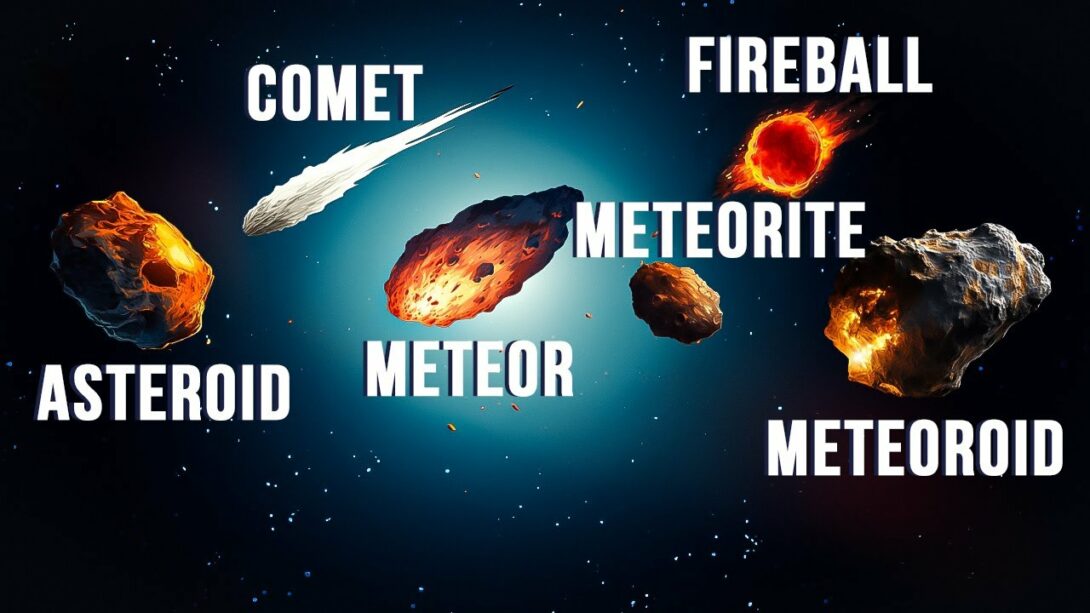
On the night of April 24, 2026, observers across central Europe reported up to 20 meteors per hour streaking through the pre-dawn sky as the annual Lyrid meteor shower reached its peak.
The Lyrids, one of the oldest known meteor showers, occur each April when Earth passes through debris left by comet C/1861 G1 Thatcher. This year’s display was enhanced by a near-new moon, which minimized light pollution and allowed fainter meteors to remain visible.
Viewing conditions were optimal for northern hemisphere observers
Astronomers noted that the absence of bright moonlight during the peak hours — between midnight and 5 a.m. Local time — created ideal conditions for spotting the swift, bright trails of the Lyrids. The shower’s radiant point, located in the constellation Lyra, rose high enough in the sky after midnight to maximize visibility across Germany, Austria and Switzerland.
Observers were advised to seek dark locations away from urban light pollution, with the naked eye offering the best view. No telescopes or binoculars are needed — and in fact, they restrict the field of view — making the event accessible to the general public.
For more on this story, see Lyrid meteor shower peaks April 22-23 2026 with optimal pre-dawn viewing.
The shower’s intensity varies yearly depending on orbital dynamics
Even as the Lyrids typically produce 10 to 20 meteors per hour at peak, outbursts exceeding 100 per hour have been recorded in past years, such as in 1803 and 1922, when Earth passed through denser filaments of cometary dust. This year’s activity remained within the expected range, though still impressive under clear skies.
The particles responsible for the light show are typically no larger than a grain of sand, yet they ignite upon atmospheric entry at speeds of roughly 180,000 km/h due to intense friction with air molecules.
Historical records show the Lyrids have been observed for over 2,600 years
Chinese astronomers documented the Lyrids as early as 687 BCE, making them one of the first meteor showers ever recorded in human history. Unlike some showers tied to recently discovered comets, the Lyrids’ parent body, comet Thatcher, has a 415-year orbit and won’t return to the inner solar system until 2276.
Despite its long period, the comet’s debris trail remains sufficiently dense to produce a reliable annual display, though gravitational perturbations from planets gradually alter the stream over centuries.
What causes the Lyrid meteor shower each year?
The Lyrids occur when Earth crosses the orbital path of comet Thatcher, sweeping up dust and rock ejected during its previous passes through the inner solar system.
Do I need special equipment to see the Lyrids?
No — the meteors are visible to the naked eye under dark, clear skies, and optical equipment actually reduces the chance of seeing them by limiting your field of view.
Auch interessant


