
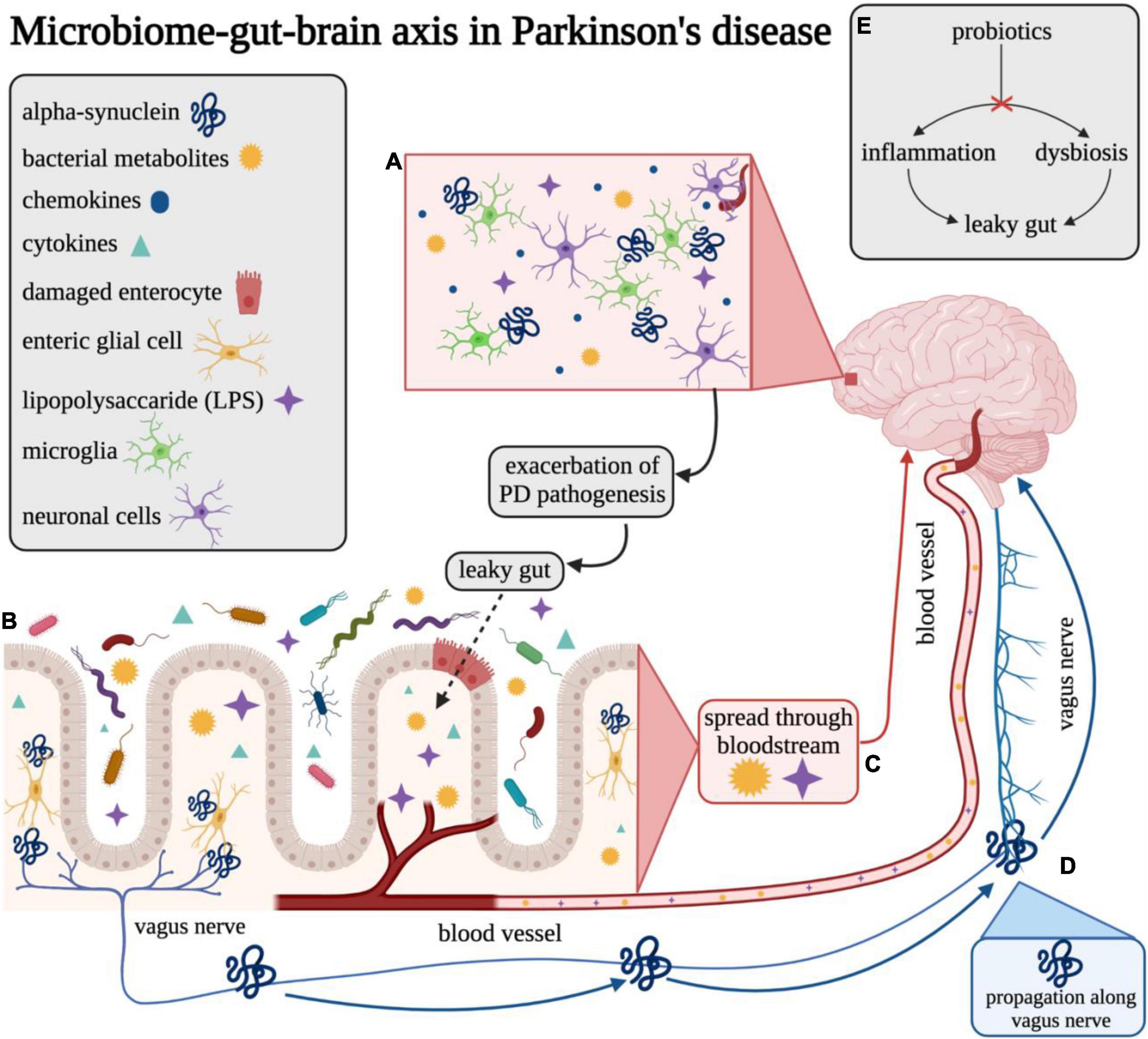
On April 22, 2026, researchers at University College London reported that specific gut bacteria patterns in people with a high-risk genetic variant for Parkinson’s closely resemble those seen in diagnosed patients, suggesting the disease may announce itself in the digestive system years before motor symptoms appear.
The study, published in Nature Medicine, analyzed stool samples and clinical data from 271 Parkinson’s patients, 43 asymptomatic carriers of the GBA1 gene variant—which can increase risk up to thirtyfold—and 150 healthy controls from the UK and Italy. Researchers identified 176 bacterial species whose abundance differed significantly between patients and healthy individuals. Of these, 142 likewise showed abnormal levels in the symptom-free GBA1 carriers, placing their gut flora midway between healthy and diseased states.
Study lead Anthony Schapira noted that while links between gut health and Parkinson’s have grown clearer in recent years, this work strengthens the idea that intestinal microbes could serve as an early warning signal for heightened risk, potentially detectable long before tremors or stiffness emerge.
A complicating finding emerged when similar microbial patterns appeared in a small subset of the healthy control group. Researchers caution that it remains unclear whether these individuals will develop Parkinson’s, as other genetic or environmental factors likely determine whether risk translates to disease.
The team emphasizes the findings do not yet constitute a ready-to-use diagnostic tool but offer a promising avenue for future screening strategies aimed at identifying at-risk individuals during a presymptomatic window.
Parkinson’s disease remains the fastest-growing neurodegenerative condition globally, with approximately 25,000 affected individuals in Austria alone, according to Der Standard. Characterized by the progressive loss of dopamine-producing neurons in the midbrain, it leads to movement restrictions, muscle rigidity, and resting tremor. While incurable, symptoms are often manageable, making early detection a critical goal in current research efforts.
Although much hope has been placed on blood-based biomarkers for early diagnosis, this gut-focused approach introduces a complementary pathway that could one day allow intervention before irreversible neural damage occurs.
How soon before symptoms might gut changes appear?
The study suggests microbial shifts could be detectable years prior to clinical diagnosis, though the exact lead time varies and requires further longitudinal tracking to confirm.

Does an abnormal gut microbiome mean someone will definitely get Parkinson’s?
No. Researchers found similar patterns in some healthy individuals without the known risk variant, and stressed that additional factors determine whether genetic susceptibility progresses to active disease.
Weiterlesen


