
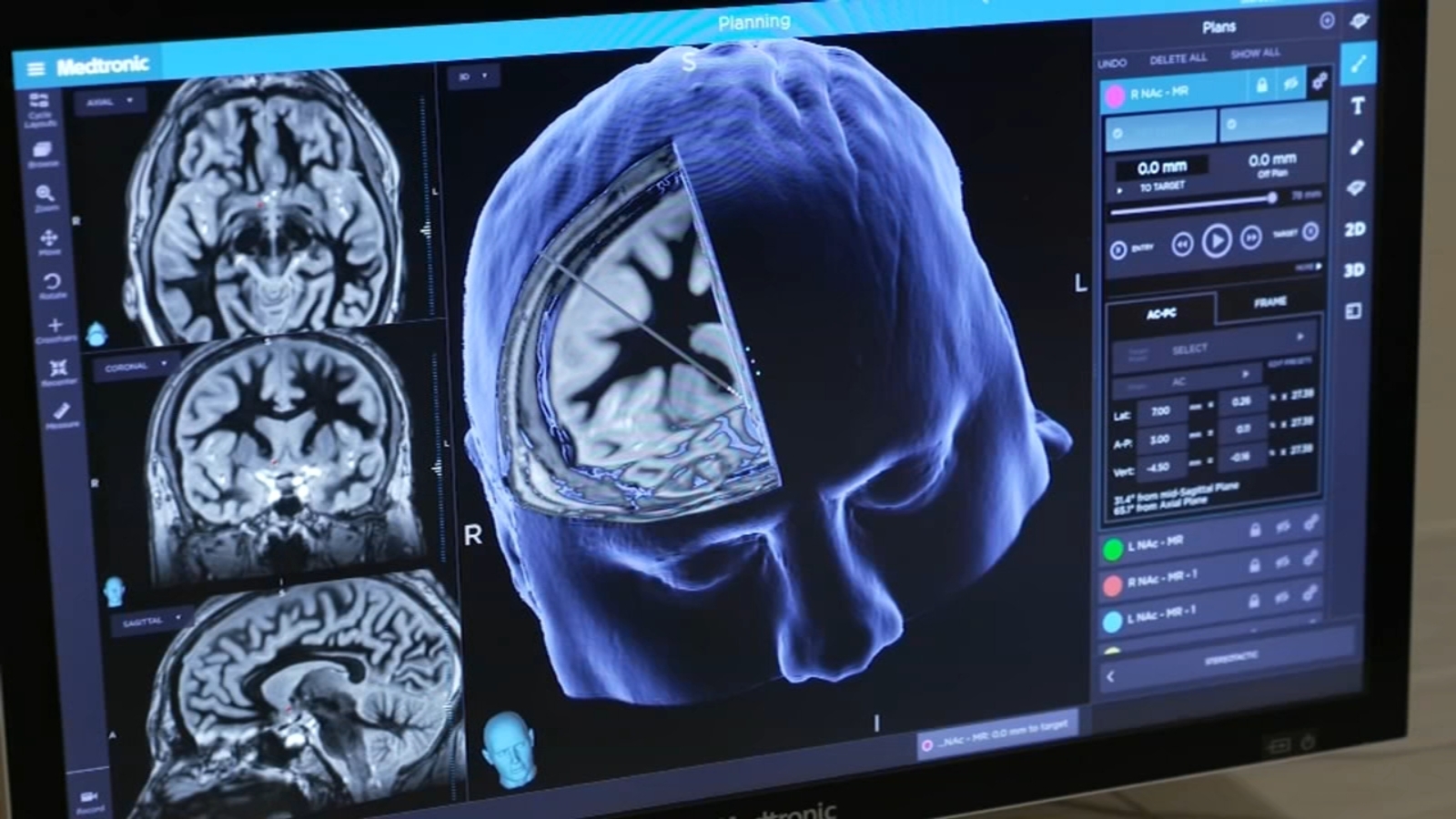
New clinical data has severely undercut the promise of antibody-based Alzheimer’s therapies, showing that these drugs offer minimal improvement in cognitive function while increasing the risk of brain swelling. The findings emerge as a critical blow to a treatment path that the European Commission first approved in 2025, specifically targeting the underlying disease processes in patients during the early stages of the condition.
Cognitive gains failed to materialize after 18 months
Researchers found almost no meaningful difference in memory or thinking abilities after 18 months of treatment. The data indicates that the impact on the overall severity of dementia symptoms was, at best, minimal.
Patients saw very few advantages in their daily lives. Routine tasks, such as managing personal finances or grocery shopping, showed only slight improvements that barely register as clinically significant.
Brain swelling emerged as a frequent side effect
The safety profile of these medications is more concerning than their lack of efficacy. MRI scans revealed a higher frequency of amyloid-related imaging abnormalities, known as ARIA.

These abnormalities manifest as brain swelling. The prevalence of these events creates a dangerous trade-off for patients who are receiving a drug that doesn’t stop their cognitive decline but does introduce acute neurological risks.
Why the G-BA blocked the added-benefit status
German healthcare regulators operate on a strict utility-to-cost ratio. When the Joint Federal Committee of doctors, health insurance providers and clinics reviewed the evidence in early 2026, they found the clinical „added benefit“ was nonexistent.
This decision effectively separates the European Commission’s legal authorization of the drug from its practical implementation in the German healthcare system. A drug can be legal to sell, but if the G-BA doesn’t see a benefit, the financial and medical justification for widespread leverage collapses.
It’s a cold reality for families who viewed Lecanemab as a lifeline. The gap between a regulatory „green light“ in Brussels and a „no benefit“ verdict in Berlin highlights the volatility of early-stage dementia research.
What are ARIA side effects?
ARIA refers to amyloid-related imaging abnormalities, which include brain swelling detected via MRT scans during the administration of antibody therapies.
How did patients fare in daily activities?
Patients experienced only very small advantages in everyday tasks, such as shopping or handling their finances, according to the study.
Auch interessant


