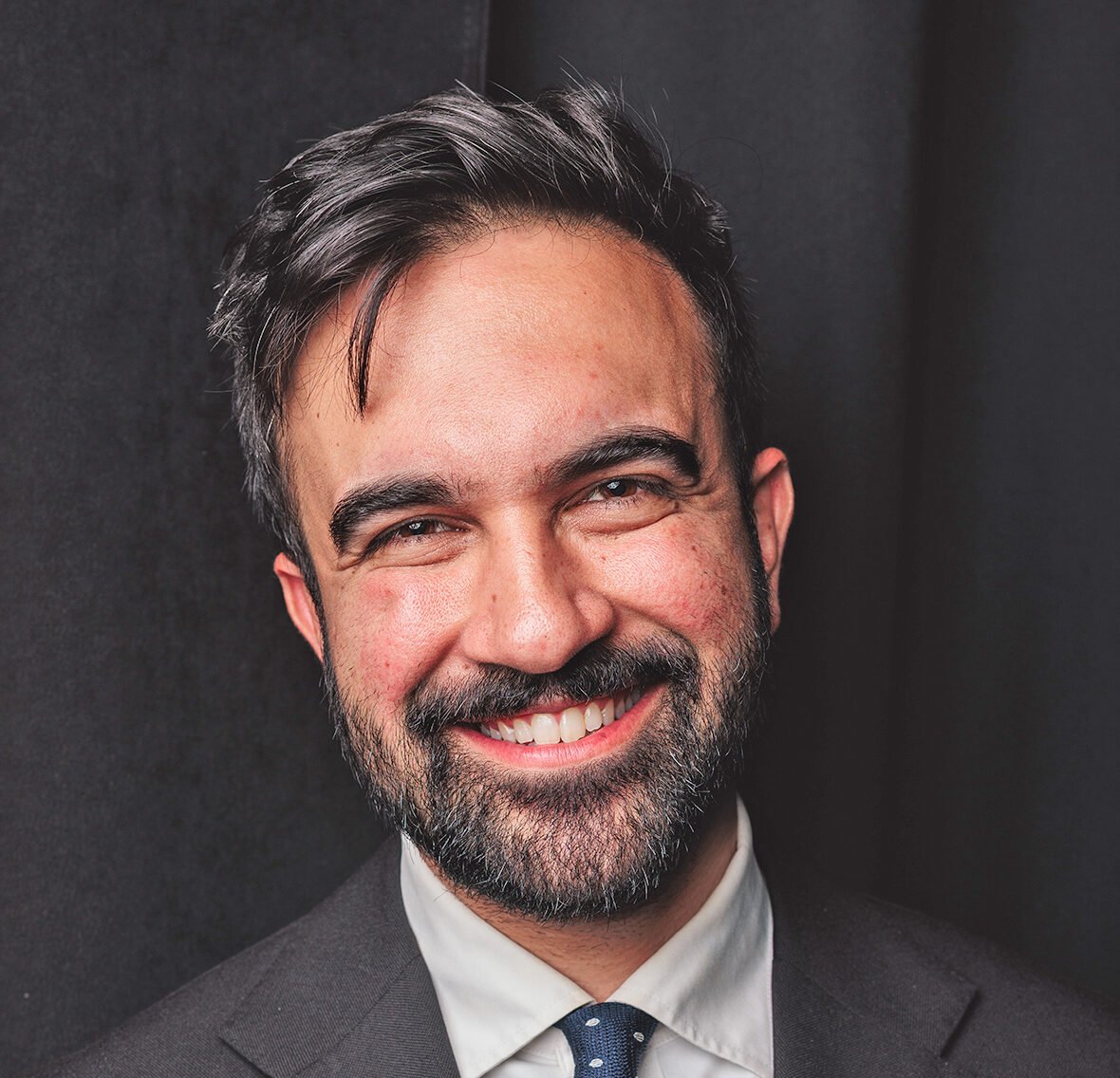
Modern York Mayor Zohran Mamdani announced plans to tax second homes worth over $5 million (€4.6 million) to fund free childcare, triggering an immediate public rebuke from former ally Donald Trump, who called the policy destructive and warned it would ruin the city.
The proposal, unveiled in a video on platform X, targets roughly 59,000 registered second apartments in New York City where owners do not list the property as their primary residence, projecting annual revenue of around $500 million (€460 million).
Trump reverses praise after Mamdani moves to tax wealthy non-residents
Just months after Trump and Mamdani appeared cordial following the socialist-democrat’s election victory, the former president posted on Truth Social that Mamdani was “destroying New York” and claimed the city “has no chance” under his leadership, a stark shift from their November meeting where they shared a vision for the city’s success.
Mamdani cites housing crisis and pandemic recovery as justification for new tax
The mayor framed the measure as a step toward a balanced budget, arguing that those who can afford multimillion-dollar vacant second homes should contribute like other New Yorkers, a position echoed by Governor Kathy Hochul, who supported the initiative as a tool for equity.

City data shows low-income residents continue to struggle with housing access amid ongoing pandemic-related disruptions, reinforcing Mamdani’s claim that vacant luxury units exacerbate shortages for working families.
Early mayoral term already shows policy action on care and infrastructure
Beyond the tax plan, Mamdani says he has secured over $1 billion (€920 million) for childcare, advanced tenant and worker protections, and filled more than 100,000 potholes across the city in his first 100 days, framing these as tangible results of his progressive agenda.
Revenue projections hinge on enforcement and market response
What counts as a second home under the proposed tax?
The tax applies to apartments valued over $5 million where the owner does not reside in New York as their primary home, targeting roughly 59,000 units currently registered as non-owner-occupied second residences.
How does this differ from previous wealth tax attempts in New York?
Unlike broader income or asset taxes that faced legal challenges, this measure narrowly targets vacant luxury second homes, aiming to avoid constitutional hurdles while raising funds for specific social programs like childcare.