
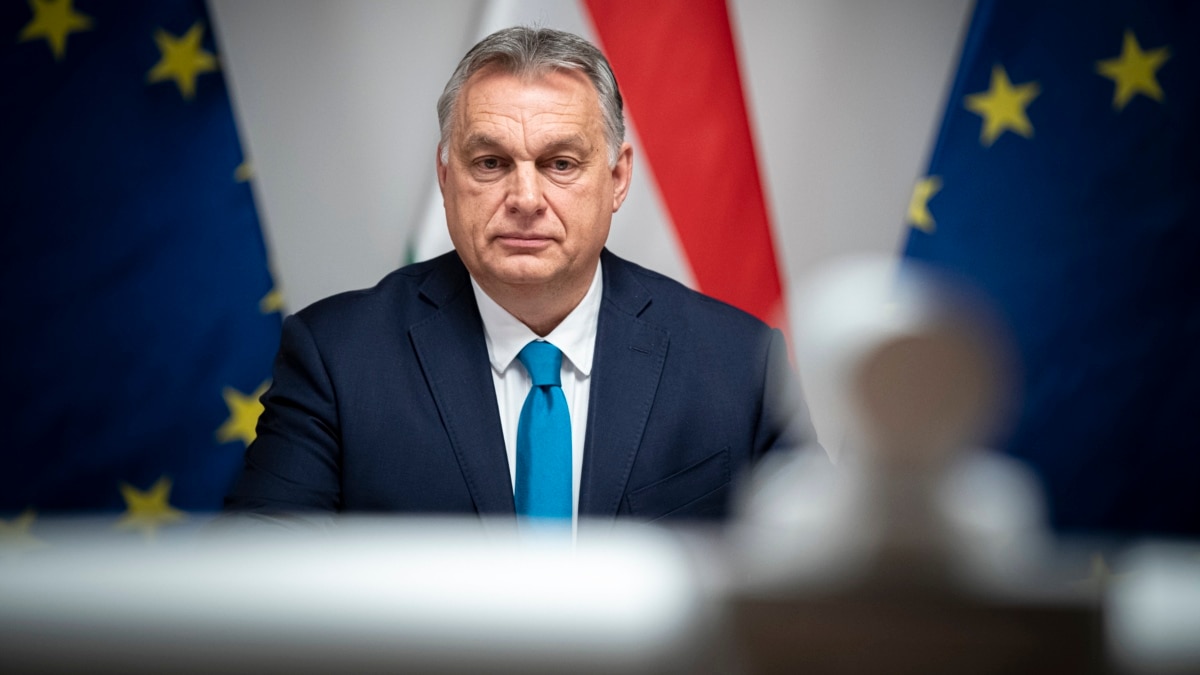
Viktor Orbán has announced he will not accept his seat in Hungary’s new parliament, choosing instead to focus on reshaping his Fidesz party from outside the legislature.
The announcement came via a video posted to his social media channels on Saturday, shortly after the conclusion of a Fidesz presidium meeting. Orbán, 62, stated he had decided to return his parliamentary mandate as he is “not currently needed in parliament” but rather in the “reorganisation of the national camp.” He confirmed he intends to remain party leader, pending approval at a Fidesz renewal congress in June.
His decision follows a decisive defeat in the parliamentary election two weeks prior, where the opposition Tisza Party, led by Péter Magyar, secured a two-thirds majority. That result ends Orbán’s 16-year tenure as prime minister and enables the incoming government to pursue sweeping reforms. The new parliament is set to convene for its constitutive session on May 9.
Orbán framed his withdrawal as a strategic shift, not a retreat. He said discussions are underway at full strength to renew the national political camp, with the parliamentary faction to be fundamentally restructured. He proposed that Gergely Gulyas, his current ministerial chief of staff and comparable to a German chancellery minister, should become the new faction leader in parliament.
Despite stepping back from legislative duties, Orbán emphasized his continued ambition to lead Fidesz. He referenced nearly four decades of leadership, claiming the party has remained the most unified and solidarity-based political force in Hungary through both successes and failures, and argued that unity is now urgently needed.
For more on this story, see Orbán Declines Parliament Seat, Focuses on Fidesz Rebuild After Election Loss.
Péter Magyar responded within hours with his own video, accusing Orbán’s circle of preparing to flee the country with illicitly acquired wealth. Magyar alleged that Orbán’s inner circle has funneled at least four to five billion euros annually in state funds through illegal channels, citing Transparency International estimates. He claimed to have information that Orbán’s associates intend to escape Hungary while he avoids responsibility.
The contrast between the two narratives highlights the deepening divide: Orbán presents his move as a principled reorganization to preserve national unity, while Magyar frames it as an evasion of accountability amid allegations of systemic corruption.
The announcement raises questions about the future direction of Fidesz and whether Orbán’s influence can be sustained outside formal institutional power. His reliance on loyal figures like Gulyas suggests an attempt to maintain control through party structures rather than parliamentary opposition.
Meanwhile, the incoming government’s mandate for a “complete regime change” sets up a potential confrontation over accountability, institutional reform, and the fate of assets allegedly acquired through improper means. The coming months will test whether Orbán’s renewed focus on party renewal can translate into lasting influence, or whether his departure from parliament marks the beginning of a more profound political reckoning.
Why did Orbán decide not to take his seat in parliament?
Orbán stated he is not currently needed in parliament and wants to focus on reorganizing the national camp and leading Fidesz through a renewal process, pending approval at a June party congress.

What does Péter Magyar allege about Orbán’s inner circle?
Magyar claims Orbán’s close associates have diverted billions of euros in state funds annually and are preparing to flee Hungary with illicitly acquired wealth while Orbán avoids responsibility.
Auch interessant


