The Negotiation Zone That Never Was
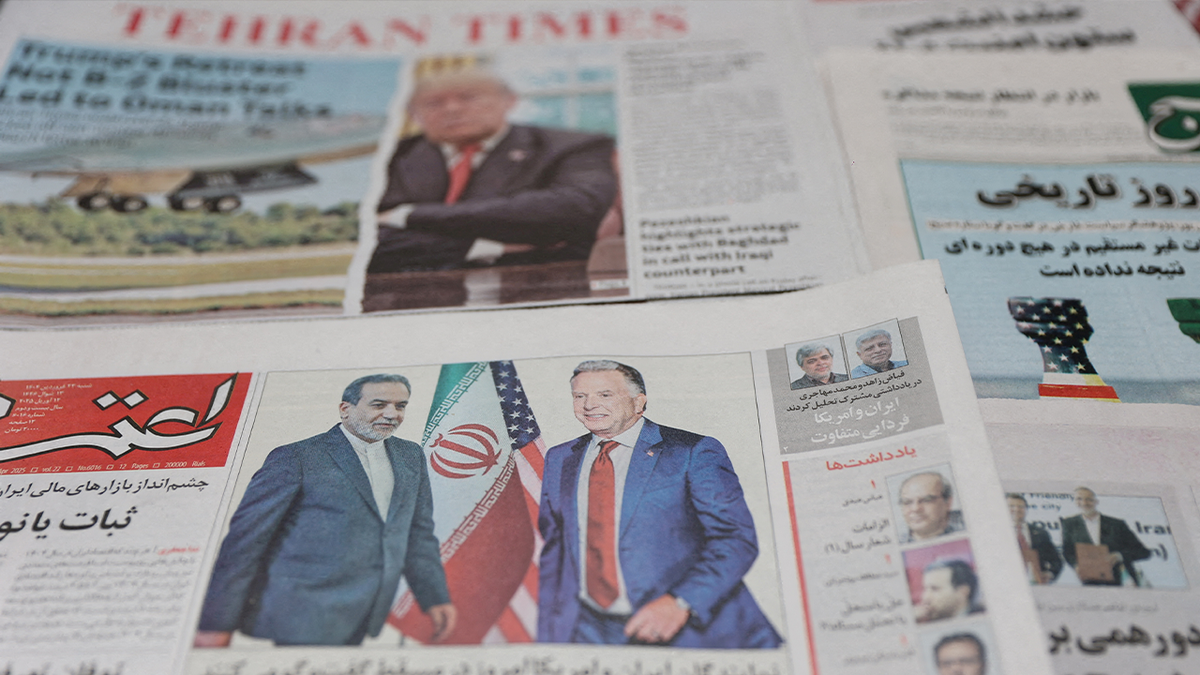
The perimeter was ready. Pakistani security forces had cordoned off a three-block radius in Islamabad’s diplomatic quarter, their checkpoints visible in AP drone footage from last Friday. Inside, the Iranian delegation waited—Abbas Araghtschi, Tehran’s chief negotiator, had arrived twice in 48 hours. The Americans never showed. The Trump administration cited an unacceptable proposal from Iran as the reason for canceling the meeting, though the sudden withdrawal raised questions about the underlying strategy. Some analysts suggested the decision reflected a broader assessment that the talks had reached an impasse.
What exactly the US demanded remains unclear. Reports from Frankfurter Rundschau indicated the sticking points involved Iran’s regional military posture, though specifics were not disclosed. Araghtschi, speaking to Iranian state television after landing in St. Petersburg, placed the blame on Washington. He described the US approach as overly demanding, framing the collapse as a consequence of conditions that Tehran could not accept. The phrasing was deliberate—Iran has consistently maintained it will not negotiate under pressure, even as its economy struggles under sanctions.

The empty negotiation site in Islamabad now symbolizes the broader deadlock. Effective diplomacy requires both sides to demonstrate flexibility, but neither appeared willing to compromise. The last-minute cancellation of envoy Steve Witkoff and Jared Kushner’s trip was seen by some observers as an indication that the White House had reassessed the potential benefits of further engagement. For Iran, the response was equally telling. Instead of returning to Tehran after the talks collapsed, Araghtschi traveled to Russia, where discussions with Vladimir Putin reportedly focused on the state of negotiations, ceasefire prospects, and related developments, according to Iran’s Isna news agency. The move suggested Tehran was exploring alternatives to Western-led diplomacy.
Power That Doesn’t Break the Deadlock
Analysts studying the US-Iran stalemate have noted a recurring pattern: despite extensive military, economic, and diplomatic efforts, neither side has achieved its strategic objectives. The US has imposed sanctions, conducted targeted strikes, and sought to rally international support against Iran. Tehran, in turn, has expanded its proxy networks, advanced its nuclear program, and strengthened ties with Russia and China. Yet the conflict persists, sanctions have not forced a policy shift, and diplomatic efforts have repeatedly stalled.
For Iran, the priority remains regime survival. The leadership has weathered economic crises before and appears prepared to endure further hardship rather than concede to external demands. The Iranian public, however, faces growing hardship. Reports from Tehran describe a population exhausted by war and sanctions. One resident, quoted in Frankfurter Rundschau, described the dilemma: the choice between renewed conflict or a status quo that preserves the current leadership, with neither option offering relief. The statement underscores the limited agency civilians have in shaping outcomes.
The US, meanwhile, has struggled to find an effective strategy. The Trump administration alternated between maximum pressure and sporadic diplomatic outreach, but neither approach produced tangible results. The cancellation of the Islamabad talks suggested a growing frustration in Washington. If the US cannot compel Iran to negotiate on its terms, what options remain? Military action risks escalation without resolution, sanctions have yielded diminishing returns, and diplomacy has become a standoff where neither side is willing to make the first move.
Europe’s Blind Spot
For Germany and the broader EU, the collapse of the talks presents a strategic challenge. Berlin’s energy security remains closely tied to Middle Eastern stability, and the Iran conflict has already disrupted supply chains. The EU has sought to position itself as a mediator, but its influence is limited. Unlike the US, Europe lacks the military leverage to shape outcomes, and unlike Russia or China, it has no strategic interest in undermining Washington’s efforts. The result is a diplomatic limbo: Europe cannot fully align with the US without risking its own interests, nor can it abandon transatlantic ties.
The EU’s public statements on Iran have emphasized the need for a political solution while avoiding direct criticism of either side. This cautious approach reflects Europe’s constrained position. As the US and Iran remain locked in stalemate, Europe has struggled to develop an effective response. Germany, in particular, faces a difficult balancing act. NATO commitments require alignment with Washington, but economic interests demand stability in the Middle East. The failure of the Islamabad talks has only intensified this tension.
Russia’s role in the aftermath of the negotiations adds further complexity. Araghtschi’s visit to St. Petersburg was not merely a diplomatic formality—it signaled Tehran’s willingness to explore alternatives to Western-led negotiations. For Moscow, the Iran conflict presents an opportunity to expand its influence in the region. Russia has already provided military support to Iran, and its engagement in talks suggests it sees value in positioning itself as a mediator. The EU, by contrast, has struggled to offer a compelling alternative. Its diplomatic efforts have been overshadowed by the US and Russia, leaving Europe with limited leverage.
The Human Cost of a Stalemate
The war’s impact on Iranian civilians is often overshadowed by geopolitical analysis, but its effects are profound. Reports from Tehran describe a city where daily life is defined by scarcity and uncertainty. Sanctions have crippled the economy, leading to shortages of food, medicine, and fuel. The conflict has displaced millions, and the threat of renewed violence looms over every decision. For many Iranians, the choice is stark: endure the current conditions or risk everything for change.
The words of the unnamed resident in Frankfurter Rundschau—war and the regime persist despite everything—highlight the futility of the current impasse. Civilians are not passive observers; they bear the brunt of the stalemate. The collapse of the Islamabad talks means another period of uncertainty, another cycle of waiting for a resolution that may never materialize. In the meantime, life in Iran continues, but it is a life marked by hardship, fear, and the knowledge that the country’s future is being decided elsewhere.
What Berlin Is Watching
Germany’s response to the failed negotiations will depend on three key factors: energy security, NATO cohesion, and the EU’s ability to assert an independent role. In the short term, Berlin is likely to focus on mitigating risks. The conflict has already disrupted oil supplies, and further escalation could drive prices higher. Germany’s energy transition is underway, but it remains dependent on stable Middle Eastern markets. The collapse of the talks increases the risk of supply chain disruptions, which could have broader economic consequences.
NATO’s role is equally critical. Germany’s commitment to the alliance is unwavering, but the Iran conflict has exposed differences in transatlantic priorities. The US and Europe are not always aligned on Middle Eastern policy, and the failure of the Islamabad talks has highlighted these divisions. Berlin will need to balance its loyalty to Washington with its own strategic interests, a task complicated by the EU’s limited influence in the region.
In the coming weeks, Germany will be monitoring developments closely.
- Iran’s response to the failed talks. Will Tehran escalate military actions, or will it seek deeper engagement with Russia and China?
- US policy shifts. Will the Trump administration intensify sanctions, or will it explore new diplomatic avenues?
- Russia’s role. Will Moscow continue to position itself as a mediator, or will it use the stalemate to strengthen its influence in Iran?
- EU diplomatic efforts. Can Europe offer a viable alternative to US-led negotiations, or will it remain on the sidelines?
The next 30 days will be critical. If the stalemate persists, the risk of further escalation will grow. For Germany, the challenge will be navigating this uncertainty without compromising its strategic interests. The current impasse is not just a problem for Washington and Tehran—it has implications for the entire region and for Europe as well.