
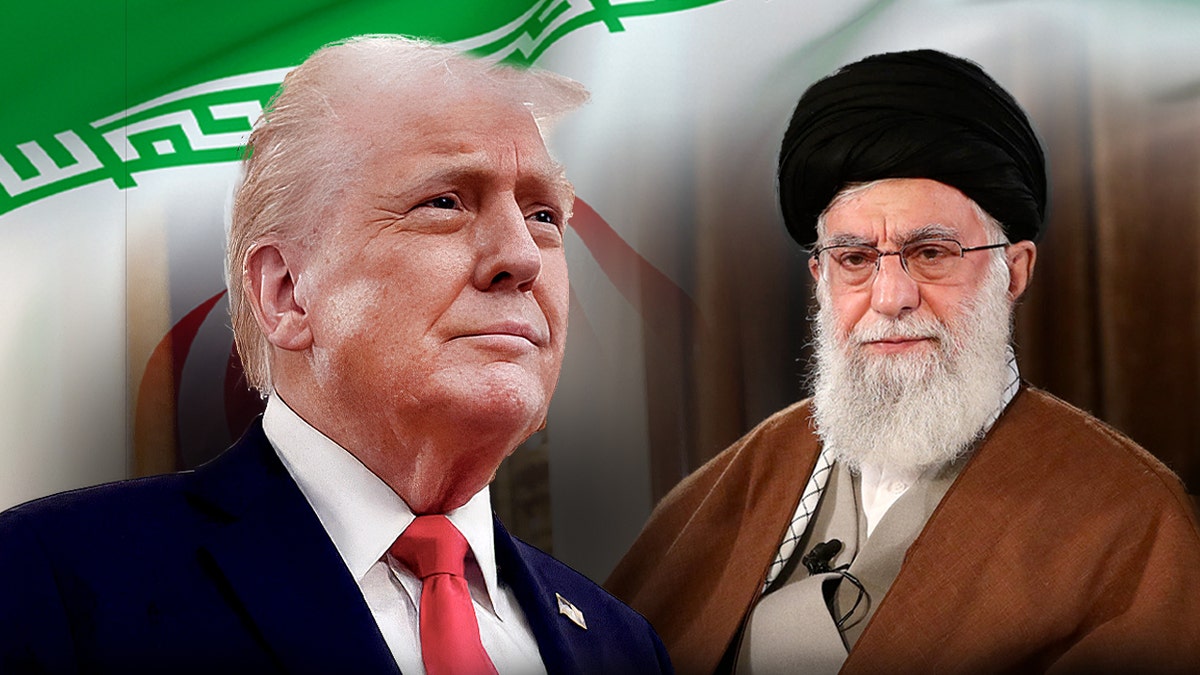
The Iranian foreign minister had already left Islamabad by the time Jared Kushner and Steve Witkoff touched down in Pakistan, turning a planned diplomatic encounter into a missed connection that underscores the fragility of US-Iran outreach.
Abbas Araghtschi’s visit to Pakistan on Friday was framed by Tehran as a bilateral trip focused on regional developments, with talks held alongside Pakistani army chief Asim Munir and prime minister Shebaz Sharif. Yet Washington had simultaneously announced plans to send Trump’s son-in-law and a special envoy to the same city for direct negotiations over the Iran conflict, a move Araghtschi said Iran had not intended to entertain.
When the Iranian delegation departed before the Americans arrived, Trump recalled his envoys, declaring via Fox News that an 18-hour flight was pointless if “you sit around and talk about nothing.” His message to Tehran was blunt: “You can call us anytime.”
The aborted meet-up follows Trump’s decision the previous evening to extend indefinitely an ultimatum that had been set to expire, a reversal that came after he dismissed the deadline as “highly unlikely” to yield a deal earlier that day. European diplomats now warn the pause risks either a superficial agreement crafted for headlines or a dangerous slide toward escalation if talks collapse entirely.
Trump’s justification for the delay echoes a familiar pattern. In a CNBC interview, he boasted of conquering Venezuela “in 45 minutes” and insisted time was not his enemy, rejecting accusations that he sought a rushed compromise. Instead, he positioned himself as a practitioner of “coercive diplomacy,” a term cited by The New York Times to describe a strategy where adversaries concede quickly under threat of attack — an approach he claims allows him to balance toughness with patience.
For more on this story, see Iran rejects peace framework as insufficient, suspends talks until external pressures ease.
This represents not the first time Trump has used sudden deadline shifts to reshape negotiations. During his first term, a similar tactic preceded the 2020 Doha agreement with the Taliban, where a hard deadline was extended after initial resistance, ultimately paving the way for a withdrawal deal critics said sacrificed verification for speed.
Iran’s position remains firm. A diplomat in Islamabad told Reuters Tehran would not accept maximalist demands, although state television indicated Pakistan would relay Iranian proposals to the US side. Araghtschi, meanwhile, called his Islamabad trip “successful” on social media and left open the possibility of returning.
Analysts warn the current standoff risks repeating past failures where symbolic gestures replaced substantive progress. Without verifiable limits on uranium enrichment or clear sanctions relief, any deal rushed to meet political timelines could leave core technical disputes unresolved, setting the stage for future breakdowns.
Why did Trump extend the Iran deadline indefinitely?
Trump said he refused to be pressured into accepting a subpar deal and insisted time was not a factor, framing the delay as part of a coercive diplomacy strategy designed to extract better terms without appearing rushed.
What are European diplomats concerned about?
They fear the pause could lead to either a superficial agreement that earns Trump headlines but ignores complex issues like uranium enrichment, or an escalation if diplomacy fails and tensions rise.
Auch interessant


