
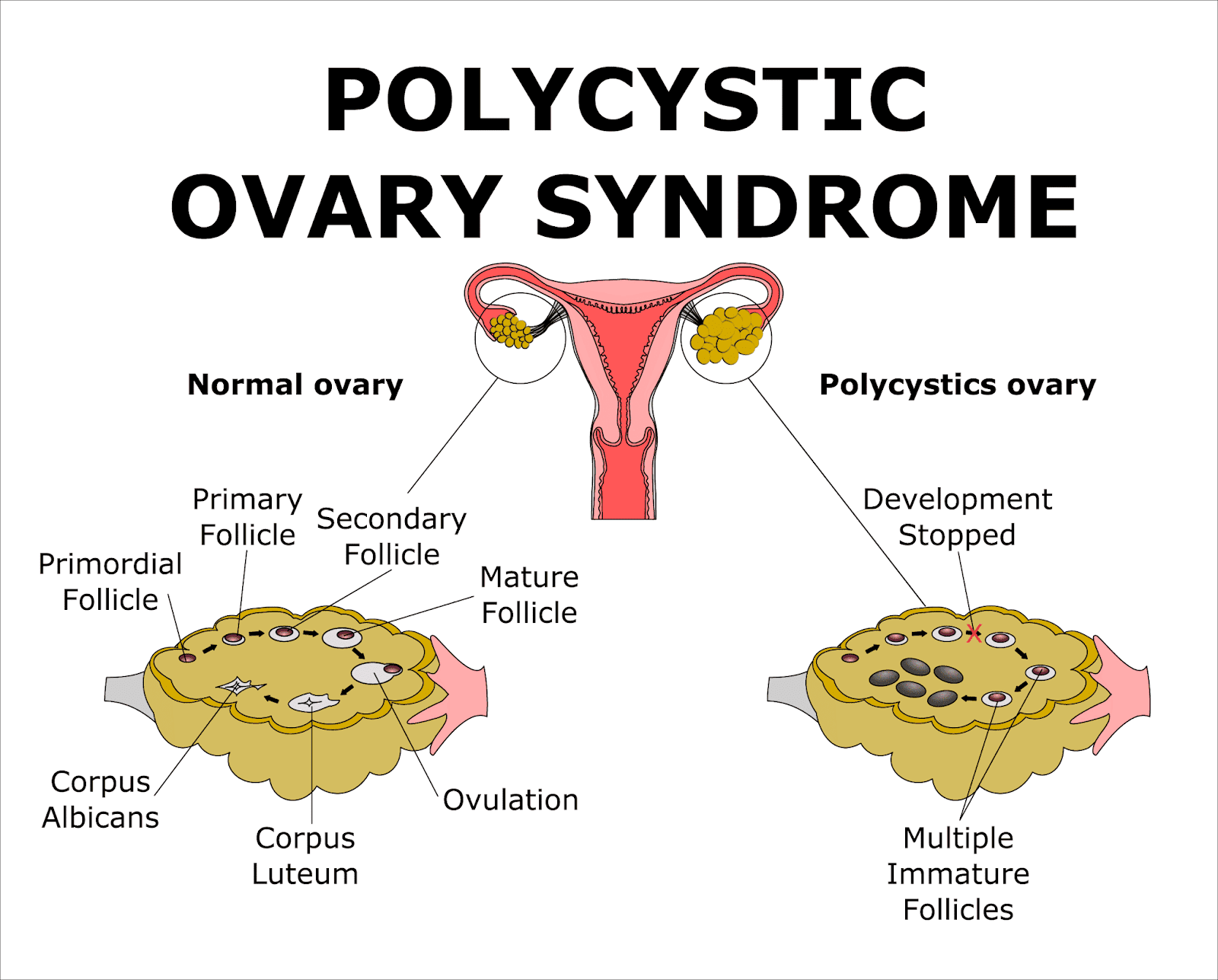
Polycystic ovary syndrome (PCOS) affects approximately one in eight women of reproductive age, making it the most common hormonal disorder in this group, according to Nicole Reisch, head of endocrinology at LMU Klinikum Munich.
Diagnosis relies on hormonal imbalance rather than ovarian cysts
The name PCOS is misleading because the presence of multiple ovarian cysts is not required for diagnosis, explained Sita Arjune, a physician at the University Hospital Cologne’s endocrinology, diabetology and preventive medicine clinic. Instead, the condition is defined by an imbalance of sex hormones, particularly an overproduction of androgens, which are male hormones.
Symptoms vary widely and often include metabolic complications
Symptoms of PCOS differ significantly among individuals but commonly include irregular or absent menstruation, excessive body hair growth on the face, chest, or abdomen, acne, hair loss, and unexplained weight gain. Many patients also experience metabolic changes, such as insulin resistance, which increases the risk of developing type 2 diabetes.

Genetic and lifestyle factors contribute to PCOS development
PCOS arises from a combination of genetic predisposition, environmental influences, and lifestyle factors, with familial clustering suggesting a hereditary component. While the specific genes involved remain under investigation, insulin resistance and elevated insulin levels play a key role in driving androgen production and worsening menstrual disturbances. Abdominal fat accumulation and factors like physical inactivity, diet, sleep, and stress may exacerbate symptoms, whereas PCOS can occur in women of normal weight.
How is PCOS diagnosed?
Diagnosis is typically made in a gynecologist’s office using the Rotterdam criteria, which require two out of three features: irregular ovulation, clinical or biochemical signs of hyperandrogenism, and polycystic ovaries on ultrasound.
Can PCOS lead to long-term health risks?
Yes, PCOS is associated with an increased risk of type 2 diabetes due to insulin resistance, as well as potential cardiovascular complications and endometrial hyperplasia from prolonged unopposed estrogen exposure, though the latter risks were not detailed in the source material.
Weiterlesen


