
The Red Carpet as Rebuttal
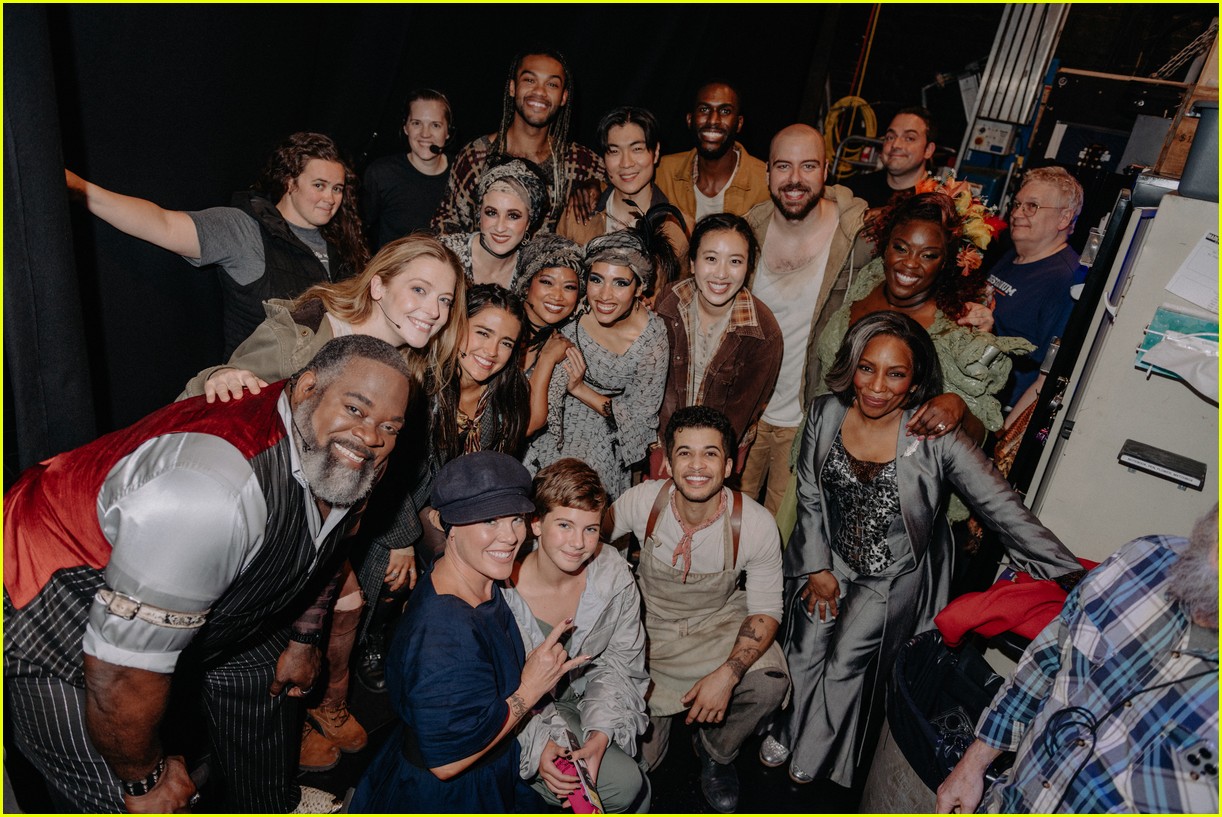
The image arrived at a moment when public curiosity about the family was heightened. Pink’s black leather jacket, adorned with silver stars, stood alongside Willow’s red corset dress with its high slit—a visual contrast that highlighted generational differences in style while also presenting a united front. The hand-holding appeared intentional, following weeks of tabloid speculation about Pink and her husband, Carey Hart, after two decades of marriage.
Those rumors, which circulated in February, were addressed directly by Pink in an Instagram video. She dismissed the claims with humor, stating she had only recently learned of the supposed separation. The caption accompanying the video reinforced her stance: If you don’t hear it from me, don’t believe the hype. The Broadway outing, attended by the family, provided a public opportunity to reinforce their togetherness without a formal statement.
This approach aligns with strategies used by other celebrity families. Beyoncé and Blue Ivy’s coordinated public appearances, as well as Angelina Jolie’s inclusion of her children in select events, have similarly served as visual responses to media narratives. In this case, the Pink-Willow moment carried additional significance: Willow, now a teenager, is increasingly visible in her own right, with growing artistic ambitions that extend beyond her role as Pink’s daughter.
Style as Generational Identity
The contrast in their outfits was striking. Pink’s ensemble—leather, stars, and a flowing maxi skirt—reflected her signature rock-inspired aesthetic. Willow’s red corset dress, with its structured silhouette and bold slit, marked a departure from the more playful styles associated with her childhood. At 14, she stands nearly as tall as her mother, a physical detail that underscores her transition into adolescence.

Willow’s interest in theater has been a recurring theme in recent family discussions. Pink mentioned in a recent interview on the Kelly Clarkson Show that the family had relocated to New York to provide Willow with greater access to Broadway opportunities. The move reflected a shift in priorities, with the family attending productions like & Juliet at the Stephen Sondheim Theatre, signaling Willow’s deepening engagement with the performing arts.
The red-carpet appearance also highlighted the family’s dynamic. The hand-holding, shared laughter, and Willow’s relaxed posture beside her mother suggested a deliberate presentation of unity. In an era where celebrity children are often either shielded from public view or thrust into the spotlight prematurely, Willow’s presence struck a balance—visible, yet framed within the context of family.
The Theater of Family Visibility
The Broadway premiere of The Lost Boys provided a platform for a different kind of public performance. For Pink, whose career has involved carefully managing the boundaries between her public persona and private life, the moment underscored the challenges of maintaining control over one’s narrative. The rumors of separation had not only questioned the family’s stability but also their ability to shape their own story. By appearing together, Pink and Willow offered a counterpoint to the speculation, even if only for the duration of the event.

However, the intent behind the appearance remains open to interpretation. Available reporting does not speculate on whether the outing was strategically planned or simply a family enjoying a night out. What is evident is that the moment served multiple purposes: it addressed rumors, showcased Willow’s evolving identity, and provided a rare glimpse into a family that has historically been selective about its public engagements.
The timing of the appearance also aligned with Willow’s growing focus on theater. Broadway, with its tradition of launching young talent, represents a form of recognition that is earned rather than inherited. For a teenager navigating the complexities of growing up in the public eye, this distinction may carry particular significance. While the red-carpet moment was a singular event, it hinted at a broader evolution: Willow’s public presence is increasingly shaped by her own artistic pursuits, not just her connection to her mother.
What Remains Unanswered
The hand-holding and shared laughter on the red carpet did more than address rumors—they introduced new questions. How will Willow’s relationship with fame develop as she pursues her artistic ambitions? Will future public appearances continue to emphasize the family unit, or will they increasingly highlight her individuality? And perhaps most importantly: To what extent is this visibility a choice, and to what extent is it an inevitable aspect of life in the public eye?
The available sources do not provide definitive answers, and the family’s private life remains just that—private. What the red-carpet moment offered was a snapshot of a family navigating the intersections of fame, generational identity, and media attention. It served as a reminder that public appearances often carry layers of meaning beyond the immediate context of the event. They reflect decisions about control, narrative, and the stories individuals choose to share—or withhold—about themselves.
For now, the image of Pink and Willow on the red carpet stands as a response to tabloid speculation. It captures a single moment, but one that resonates beyond the evening’s premiere. The question is not whether the family will appear together again, but what the next appearance might signal—and who will be standing beside whom.
Auch interessant


