
The Public Optimism vs. the Private Doubt
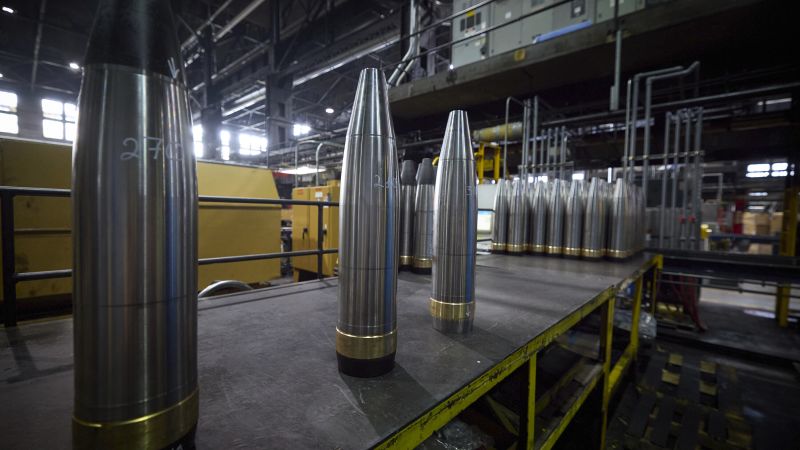
Publicly, Pentagon leadership has portrayed U.S. munitions reserves as stable, even resilient. Defense Secretary Pete Hegseth and General Dean Caine, the Joint Chiefs Chairman, have consistently emphasized that American stockpiles remain sufficient, while characterizing Iran’s military capabilities as significantly weakened. These assessments, often aligned with broader administration messaging, suggest confidence in the U.S. position following recent operations.
However, reporting by n-tv indicates that some officials have expressed skepticism about the completeness of these public assessments. Concerns have focused on the impact of sustained operations, including strikes against Iranian targets and the interception of drones and missiles. Officials familiar with these discussions describe unease about whether the full extent of munitions usage has been accounted for, particularly in light of potential simultaneous crises in regions like the Taiwan Strait or Eastern Europe.
This tension does not appear to stem from accusations of intentional misrepresentation. Instead, the concern centers on whether public statements provide a sufficiently nuanced picture of the challenges involved. Some officials have suggested that overly optimistic framing could obscure important operational realities, raising questions about how information is communicated within the administration.
Geopolitical Flashpoints and the Cost of Uncertainty
The debate over munitions reserves carries significant implications for U.S. strategy. Stockpile levels influence perceptions of American readiness, which in turn shape the calculations of both allies and adversaries. In the Taiwan Strait, where Chinese military activity has intensified, the ability to deploy precision-guided missiles and air-defense systems could affect deterrence. Similarly, in Europe, NATO allies depend on U.S. logistical support to counter Russian aggression, making transparency about munitions availability a key factor in alliance cohesion.

The conflict with Iran has already tested these reserves. While the Pentagon has not released detailed figures on munitions expended, the nature of the campaign—including strikes on infrastructure and the interception of drones and ballistic missiles—suggests substantial usage. The loss of U.S. aircraft, whether due to combat or mechanical issues, further underscores the intensity of operations. Despite this, public statements from Pentagon leadership have emphasized the effectiveness of the campaign while downplaying the strain on resources.
This dynamic matters because perceptions of U.S. capabilities influence strategic decision-making. If adversaries believe American stockpiles are lower than publicly stated, they may calculate that Washington lacks the capacity to sustain prolonged engagements. Conversely, if allies perceive the U.S. as overstating its readiness, they may seek to reduce their dependence on American support, potentially accelerating regional arms races or shifting diplomatic alignments. The lack of detailed public data only amplifies these uncertainties.
The Historical Context: When Optimism Outpaces Reality
The current discussion reflects a recurring challenge in U.S. defense planning: balancing public confidence with operational transparency. During the Vietnam War, Pentagon briefings often minimized setbacks while highlighting progress, a pattern that eventually eroded trust in military leadership. More recently, the rapid depletion of munitions during the Ukraine conflict revealed gaps in U.S. production capacity, forcing the Defense Department to adjust procurement timelines and priorities.
In 2026, the situation is further complicated by the scale of U.S. commitments. The conflict with Iran has stretched air and missile defense systems, while ongoing support for Ukraine continues to consume significant quantities of artillery shells, anti-tank missiles, and interceptors. The Defense Production Act has been used to boost domestic manufacturing, but production still lags behind consumption. Against this backdrop, the Pentagon’s emphasis on „solid“ reserves may reflect a strategic choice to project confidence, even as operational realities present challenges.
What remains unclear is the precise extent of any shortfall. Reporting on internal discussions has not provided specific figures, and officials have not publicly detailed the scale of potential discrepancies. This lack of clarity creates difficulties for policymakers, allies, and adversaries alike, as they must interpret available signals without complete information. For audiences accustomed to detailed metrics in defense planning, this opacity can be particularly difficult to navigate.
What to Watch: Signals of a Shifting Narrative
The coming weeks may reveal whether the Pentagon adjusts its messaging in response to internal discussions.

Congressional Oversight: The House and Senate Armed Services Committees have the authority to request classified briefings on munitions reserves. Increased interest from lawmakers, particularly those on the House Appropriations Subcommittee on Defense, could indicate growing concern about stockpile levels.
Industry Contracts: The Defense Department’s contracting announcements often reflect production priorities. A surge in orders for precision-guided missiles, artillery shells, or air-defense interceptors could signal efforts to replenish stocks. Conversely, a lack of urgency in procurement may reinforce the Pentagon’s public narrative of stability.
Allied Requests: NATO allies and partners in the Indo-Pacific, such as Japan and Australia, have sought assurances about U.S. munitions availability. If these countries begin diversifying their supply chains or increasing their own production, it may reflect concerns about Washington’s stated reserves.
Pentagon Briefings: Public statements from Defense Secretary Hegseth and Joint Chiefs Chairman Dean Caine will be closely watched for shifts in tone. Acknowledgment of „challenges“ in maintaining stockpiles or emphasis on accelerated production could indicate a recalibration of the official narrative. More detailed updates on munitions usage in Iran might also provide clearer insight into the actual drawdown.
The most significant signal may come from the White House. If administration messaging on the Iran conflict evolves—shifting from declarations of success to calls for sustained support—it could suggest that internal assessments have prompted a reassessment of U.S. capabilities. For now, the public and private discussions remain distinct. The question is whether they will converge.
Verwandte Artikel


