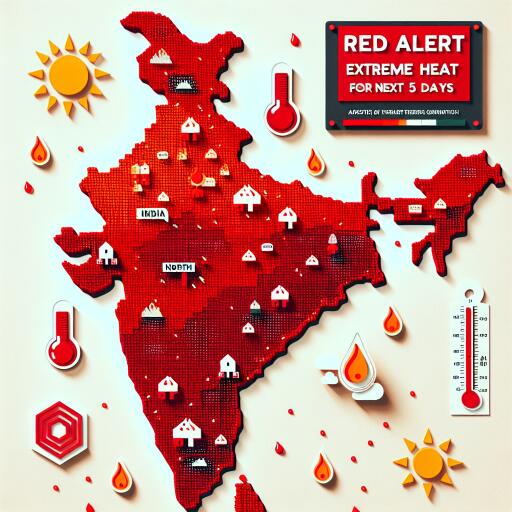
Temperatures in parts of North India have crossed 40°C, triggering heatwave alerts across multiple states.
Health risks rise as prolonged heat overwhelms the body’s cooling mechanisms
Experts warn that sustained exposure to extreme heat can impair the body’s ability to regulate temperature, increasing the likelihood of dehydration, heat exhaustion, and heatstroke. Vulnerable groups such as the elderly, infants, and outdoor workers face heightened risks of cardiovascular strain and fatal outcomes without timely intervention.
Authorities issue advisories amid growing concern over public health impacts
Local administrations have activated heatwave response protocols, urging residents to avoid outdoor activity during peak hours, stay hydrated, and seek cool shelter. Hospitals in affected regions are preparing for a potential influx of heat-related cases, though no official caseload figures have been released yet.

What precautions are being recommended for people in heatwave-affected areas?
Residents are advised to limit outdoor exposure, drink plenty of fluids, wear light clothing, and check on vulnerable neighbours, especially during the hottest parts of the day.
How are local governments responding to the rising temperatures?
Authorities have issued public advisories, activated heatwave action plans, and are mobilising medical resources to manage expected increases in heat-related illnesses.