The Moon Can Wait
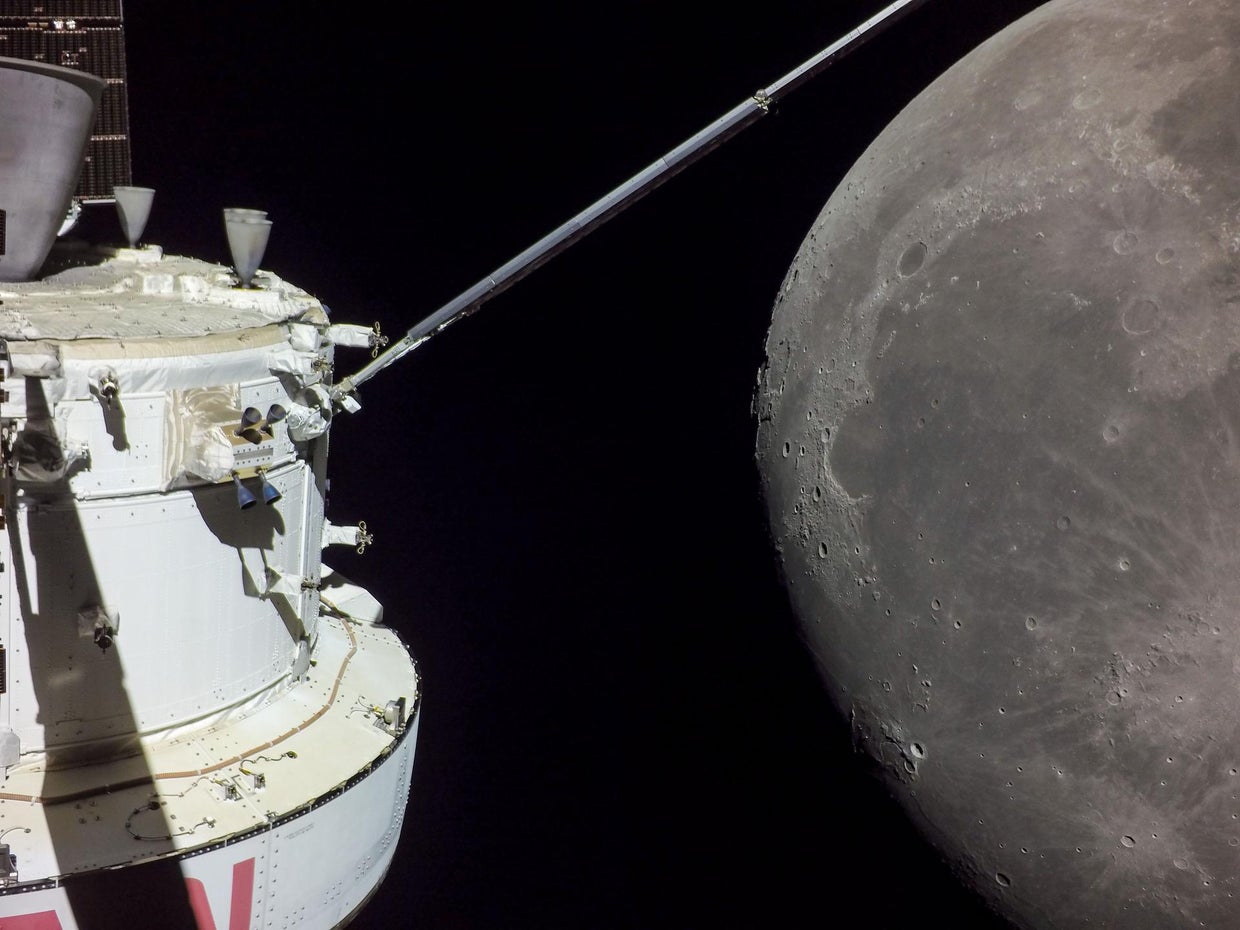
The last time humans landed on the Moon, the spacecraft that carried them was significantly smaller than the vehicles now being developed for Artemis III. SpaceX’s Starship and Blue Origin’s Blue Moon landers are far larger, a change that aligns with the program’s broader objectives. These missions aim to establish the groundwork for sustained lunar exploration rather than a short-term visit.

The increased size introduces new complexities. Both landers require in-orbit refueling, a procedure that has yet to be demonstrated with crewed spacecraft. They must also support astronauts for extended periods and feature docking systems capable of precise alignment in space. Officials have stated that both companies have agreed to demonstrate these capabilities by late 2027, though the crewed landing itself is now expected in 2028. During a recent hearing, testimony confirmed that SpaceX and Blue Origin are progressing toward these goals, though the full scope of the mission remains under review.
The shift in timeline highlights differences between the Artemis program and its predecessor. While Apollo was driven by a singular, time-sensitive objective, Artemis is structured as a long-term effort with multiple phases. The focus extends beyond a single landing to include the development of infrastructure for future exploration. This approach involves significant investment, with NASA’s contracts for the Human Landing System totaling billions and both companies contributing additional resources of their own.
What the Delay Reveals About the New Lunar Race
When Apollo 11 landed on the Moon, its lunar module operated with computing power far less advanced than today’s technology. The challenges facing Starship and Blue Moon are of a different magnitude. A comparable test for Artemis III would require a fully functional, human-rated lander equipped with independent life support, flight controls, and a docking system capable of managing a much larger vehicle. Neither SpaceX nor Blue Origin has provided recent updates on the status of these systems, leaving some uncertainty about the program’s progress.

NASA’s leadership faces a decision in the coming months: whether to proceed with a modified Artemis III mission that includes key demonstrations but stops short of a full landing, or to wait for a complete validation of the landers’ capabilities. The outcome will depend on the performance of SpaceX’s next-generation Starship Version 3 rocket and Blue Origin’s planned uncrewed landing near the Moon’s south pole with its Blue Moon cargo lander.
The comparison to Apollo offers limited insight. Apollo benefited from a focused mission and substantial funding, whereas Artemis involves international partners, commercial contractors, and a more complex political environment. The European Space Agency is contributing the service module for the Orion spacecraft, and other nations are exploring roles in the lunar Gateway station. For these partners, the delay may prompt questions about the program’s long-term stability and their continued involvement.
The Financial Equation: What Taxpayers Are Buying
NASA’s investment in SpaceX and Blue Origin extends beyond the immediate goal of landing astronauts on the Moon. The program aims to develop spacecraft capable of refueling and reuse, which could significantly reduce the cost of future deep-space missions. Officials have emphasized that this capability is essential for supporting sustained lunar operations and enabling more ambitious objectives in the future.
The economic rationale is clear, but execution remains challenging. Refueling in space, for example, requires infrastructure that does not yet exist, including orbital depots and tanker spacecraft. The landers must also be adaptable enough to support not only Artemis III but subsequent missions, including those that will deliver components for future lunar infrastructure. This approach differs from Apollo’s disposable hardware but demands a level of reliability that has yet to be proven.
For SpaceX, the delay adds to an already demanding development schedule. The company is simultaneously working on Starship’s commercial satellite launches, its role in NASA’s Mars plans, and the Polaris program, a series of private missions. Blue Origin, meanwhile, is positioning its Blue Moon lander as a complementary option to SpaceX’s Starship, providing redundancy in case of setbacks in either program.
What Happens Next—and What to Watch
The Artemis III delay serves as a reminder of the program’s complexity. The coming year will be critical for both SpaceX and Blue Origin.
- Starship Version 3 flights: SpaceX’s next-generation rocket must demonstrate consistent performance, including in-orbit refueling. Any further delays could impact the Artemis timeline.
- Blue Moon cargo landing: Blue Origin’s uncrewed test near the Moon’s south pole will provide early data on the lander’s capabilities. Success would strengthen confidence in its readiness for crewed missions.
- Life-support and docking tests: Both companies must validate their landers’ ability to sustain astronauts for extended periods and dock safely with the Orion spacecraft. These systems are among the most critical and least tested components.
- NASA’s decision on mission scope: The agency may choose between a full landing or a more limited demonstration, a decision that will influence the program’s direction for years.
For international partners like the European Space Agency, the delay may prompt a reassessment of their roles. The ESA’s contributions to Orion and the lunar Gateway are integral to Artemis, but a prolonged timeline could lead to adjustments in these commitments or accelerate efforts to develop independent capabilities.
The Moon remains a fixed objective, but the path to a sustainable return is constrained by technical and logistical realities. The shift to 2028 is not an indication of failure but an acknowledgment of the challenges ahead. For NASA, SpaceX, and Blue Origin, the next phase will determine whether the program can meet its ambitious goals.
Weiterlesen