
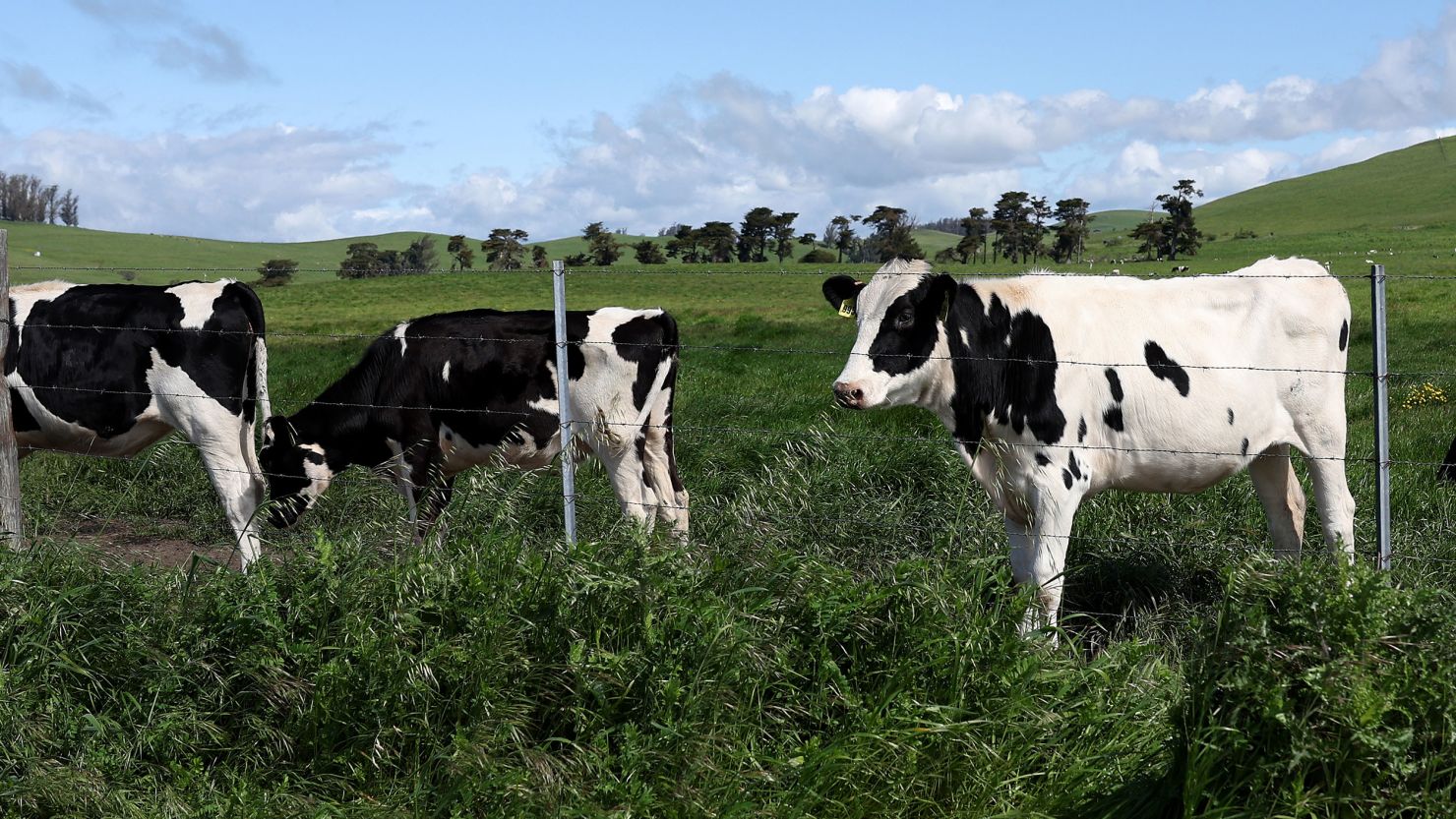
A phase 3 clinical trial is underway to test an mRNA vaccine against H5N1 avian influenza, a virus with high fatality rates in humans and pandemic potential if it mutates to spread easily between people.
Scientists aim to build on COVID-19 vaccine speed for faster response to bird flu threats
The trial follows the success of mRNA technology during the COVID-19 pandemic, which allowed vaccines to be developed and deployed in months rather than years. Researchers hope the same platform can be adapted quickly for H5N1, reducing the time needed to respond if the virus gains the ability to transmit efficiently among humans. John Tregoning, Professor of Vaccine Immunology at Imperial College London, explained that mRNA vaccines can be redesigned rapidly once the genetic sequence of a new threat is known.
H5N1 remains rare in humans but deadly when it jumps species
Although H5N1 is common in bird populations worldwide, human infections are infrequent. However, when transmission does occur — typically through close contact with infected poultry — the illness is often severe and lethal. The World Health Organization has recorded over 800 human cases since 2003, with a fatality rate exceeding 50%. Scientists warn that sustained circulation in birds increases the chance of genetic changes that could enable human-to-human spread.
Global health agencies are investing in prepandemic vaccine readiness
Governments and health organizations are funding mRNA vaccine research for priority pathogens like H5N1 as part of broader efforts to strengthen pandemic preparedness after COVID-19. The goal is to have vaccine candidates ready for large-scale deployment should outbreaks escalate. Unlike traditional vaccines, mRNA shots can be manufactured at scale using existing infrastructure, potentially shortening the timeline from variant identification to public distribution.
Why is H5N1 considered a pandemic threat?
H5N1 has a high mortality rate in humans and could cause widespread illness if it mutates to spread easily between people, though it currently does not transmit efficiently in human populations.
How does an mRNA vaccine work against viruses like H5N1?
mRNA vaccines deliver genetic instructions that teach cells to produce a harmless piece of the virus, triggering an immune response without causing disease, and can be quickly updated for new strains.
Verwandte Artikel


