
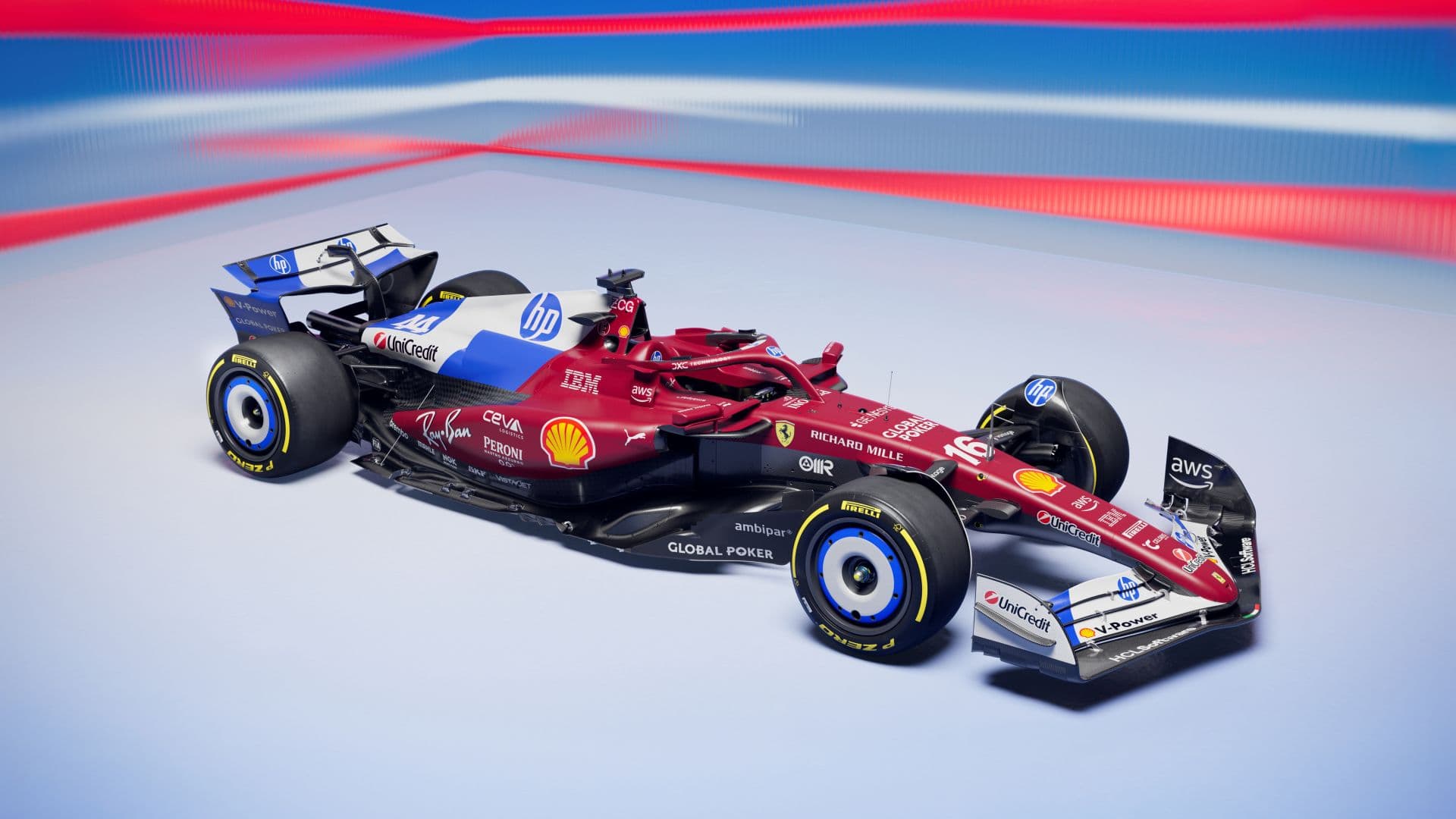
Eleven. That is the number of specific technical changes Ferrari has officially registered with the FIA for the current event in Miami. This volume of updates reflects the ongoing development cycle as the team seeks to optimize the car’s aerodynamic efficiency and mechanical grip for the specific demands of the Florida circuit.
The team has maintained a realistic perspective regarding the impact of these changes. Despite the scale of the update package, there is an admission that these adjustments may not be sufficient to bridge the gap to Mercedes. The team continues to implement these technical refinements while acknowledging that the competitive landscape remains challenging.
The gap between updates and track performance
Technical evolution is a constant in the sport, with teams continuously iterating on their designs to find marginal gains. In Miami, the focus is on whether these eleven modifications can alter the current trajectory of the season. According to reporting from motorsport-total.com, the team believes that the distance to their competitors remains a hurdle that cannot be cleared by this specific set of updates alone.
„Ich glaube, sie waren uns einfach zu weit voraus, als dass wir sie allein mit dem, was wir hier mitbringen, schlagen können“ Charles Leclerc
This assessment highlights a recurring tension in F1: the difference between incremental gain and a fundamental shift in performance. While the FIA reporting requirements ensure that every winglet or floor modification is documented, the actual impact on the asphalt depends on how well the parts correlate with simulation data. The goal for this weekend is not necessarily a total reversal of fortunes, but a narrowing of the margin.
The technical reality is that while some gaps between teams may become größer oder kleiner
, the core hierarchy tends to be stable. When introducing a large package, teams must manage the integration of new components to ensure the car maintains a predictable balance across different speed ranges and cornering profiles.
Hierarchy stability and the Miami Sprint
The timing of these updates coincides with the sprint format, which provides a compressed window to evaluate new parts. The sprint qualifying session provides an early opportunity to gather data on the eleven reported changes and determine how they affect the car’s overall pace compared to the rest of the field.
There is a strong sense that the competitive order established since the start of the year is unlikely to be displaced in a single weekend. The structural advantages of a car’s design are difficult to overcome with mid-season tweaks, even those as numerous as the current Ferrari package.
„Ob sich die Reihenfolge, die wir seit Jahresbeginn beobachten, dadurch wesentlich ändern wird, bezweifle ich.“ Charles Leclerc
For the wider grid, this suggests that the „pecking order“ remains the dominant force. The sprint race provides a practical application of these updates, allowing the team to see if the changes offer the necessary stability and speed to compete with the top teams. The focus shifts from a quest for dominance to a battle for the fractions of a second that separate the top three or four teams.
As the weekend progresses, the data from the timing screens will reveal if the reported modifications have translated into actual pace. The difference between a successful update and a failed experiment is often measured in tenths of a second, and in Miami, those tenths are the only currency that matters.
Auch interessant


