
The Puzzle of the Missing Ice
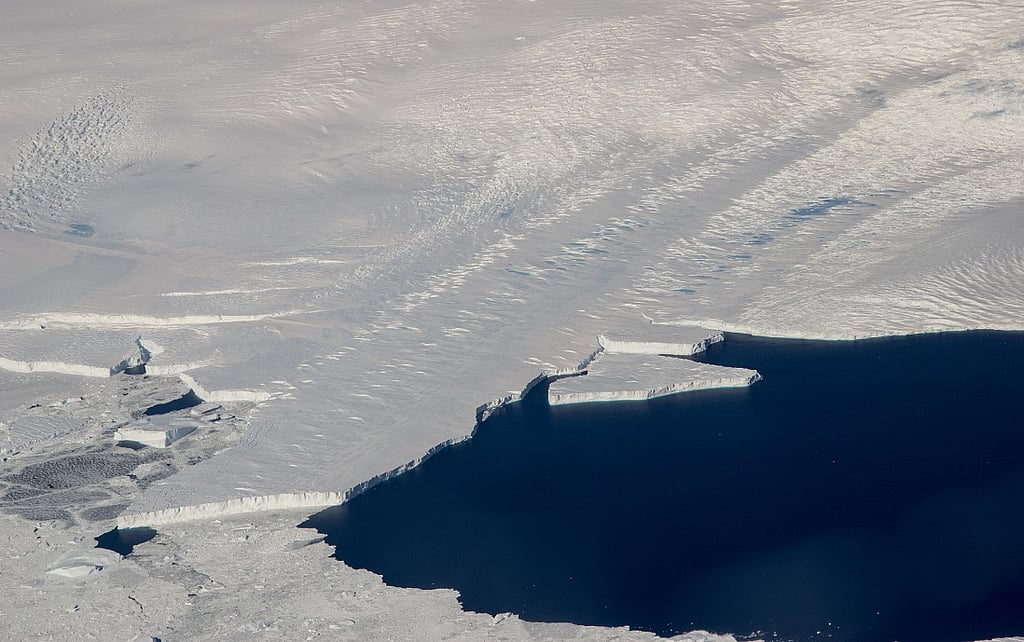
Scientists have long sought to explain why Antarctic sea ice was expanding while Arctic ice declined. The answer lay hidden in the ocean’s layered structure. Unlike other regions, where surface warming directly melts ice, Antarctica’s frigid atmosphere kept the upper layer cold while warmer currents circulated below—a stable arrangement that allowed ice to persist. This equilibrium endured until 2016, when data from Argo-Floats revealed a critical shift. These robotic probes, roughly human-sized and equipped with sensors, showed that increased rainfall and ice melt had made surface waters fresher and lighter, creating a barrier that trapped heat in deeper layers. The system remained stable until wind patterns changed, disrupting the balance.
The altered wind patterns played a decisive role. Research indicates these winds became stronger and more persistent, pushing the lighter surface water aside and lifting the cap on the warmer, saltier water below. This triggered a rapid upwelling of heat, documented in scientific analysis, which explained the sudden collapse of sea ice that year. The ice did not recover afterward, marking a significant change in the region’s climate behavior.
How Robots Unlocked the Mystery
Deployed across the Southern Ocean, Argo-Floats operate independently, diving thousands of meters deep to measure temperature and salinity before resurfacing to transmit data via satellite. Over nearly two decades, these devices collected extensive information that ship-based research could not match. Their data revealed the ocean’s distinct stratification—a cold, fresh surface layer overlying warmer, saltier water. This arrangement had long insulated the ice from deeper heat sources.
The wind shift fundamentally altered this structure. The stronger winds not only displaced surface water but also deepened the mixing zone, allowing warmer water to rise. The Argo-Floats captured this transformation in real time, providing the first direct evidence that ocean dynamics—not just atmospheric changes—drive Antarctic ice behavior. Their findings align with climate model predictions, confirming that the Southern Ocean’s unique stratification is essential to ice formation and loss.
The Role of Wind and Warm Water
The 2016 collapse was primarily driven by the sudden upwelling of deep ocean heat rather than surface warming. The wind-driven displacement of surface water acted as a release mechanism, allowing trapped warmth to escape. This process, detailed in scientific research, demonstrates how even minor changes in wind patterns can have major impacts on ice stability. It also highlights the vulnerability of Antarctic ice shelves, which act as a protective barrier against ocean heat and waves.
Without this buffer, ice shelves could retreat more rapidly, with potential consequences for global sea levels. Researchers emphasize that Antarctic sea ice is not merely reacting to climate change but actively participates in the planet’s heat balance. The findings underscore the importance of ocean dynamics in regulating ice over time, rather than atmospheric conditions alone.
Implications for the Future
The 2016 ice collapse represents a significant event in Antarctic climate dynamics. While the exact future trajectory remains uncertain, the processes that triggered the ice loss could become more pronounced if wind patterns continue to evolve. The Argo-Float data provides a crucial foundation for understanding these changes, though long-term projections require further study. What is clear is that Antarctic ice stability depends on the delicate interaction between surface freshwater and deep ocean heat—a balance now disrupted.
Ongoing monitoring by the robotic network continues to deliver vital data that will help refine climate models. The insights gained from this event demonstrate that the ocean’s depths contain critical clues about Earth’s climate system, and the tools to study them are already in operation, collecting information from beneath the ice.
Verwandte Artikel


