The Laptop on the Brew Kettle
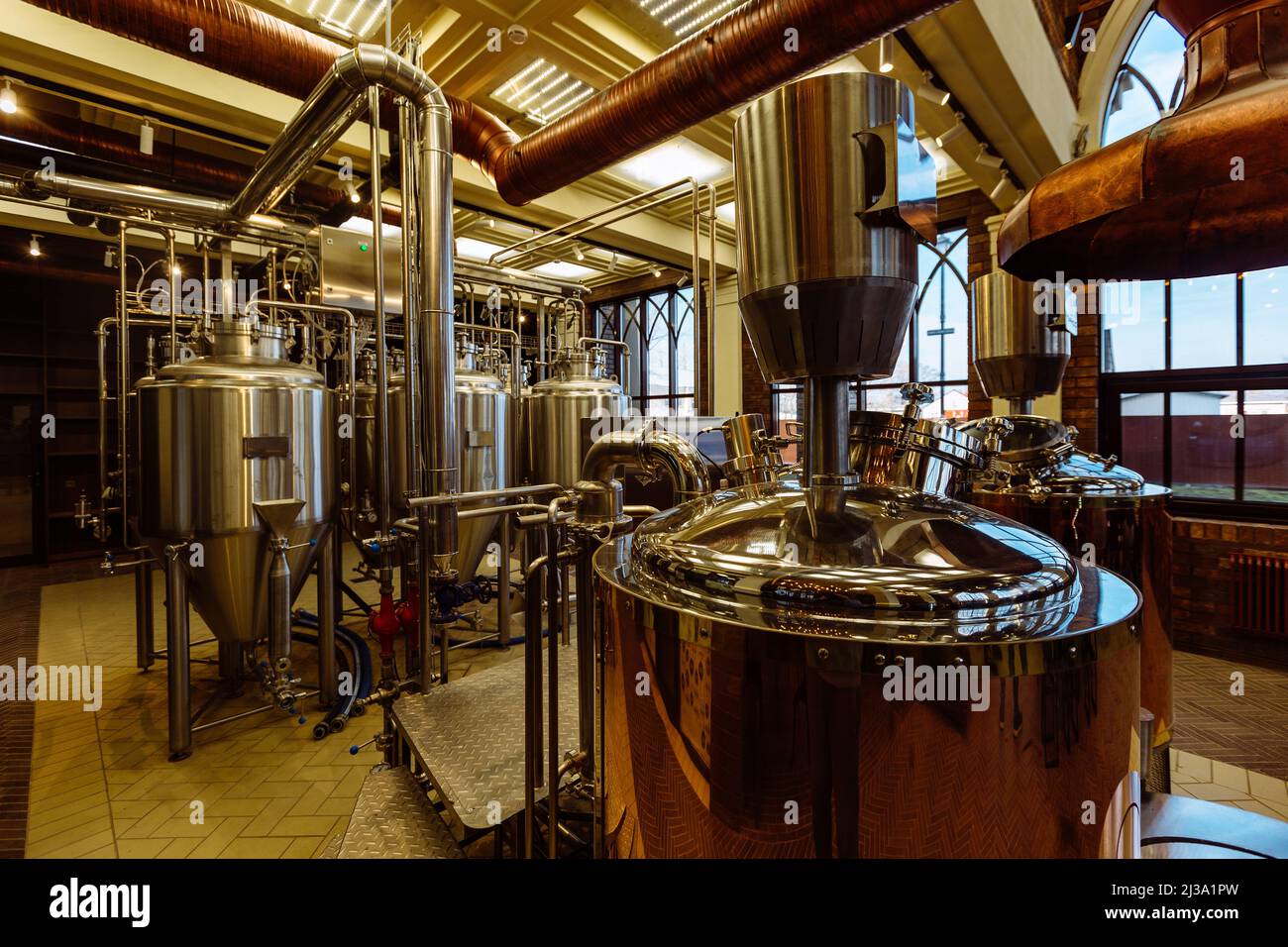
The image is almost too neat: a laptop perched on a brewing kettle in what its owner describes as likely the smallest brewery in Switzerland. For Gerhard Erschwendner, 69, the device has become a key part of his process. It doesn’t just suggest recipes—it coordinates temperatures, times fermentation, and even manages the online shop. When the next step in brewing is ready, the computer signals with a whistle.
The project began as a pandemic hobby between Gerhard and his son Stefan, a consultant who works across Europe and the U.S. Their beer, “Lobster Lager,” was featured in Nvidia CEO Jensen Huang’s keynote, appearing alongside other AI applications. Gerhard later recalled the moment as surreal, saying he reacted with surprise when his creation appeared on screen.
The collaboration combined Gerhard’s brewing experience with Stefan’s work in AI. Officials familiar with the project noted that the initial focus wasn’t on efficiency but on exploring how AI could assist in practical tasks. Stefan has described the system as one that moves beyond conversation to take direct action, automating processes that previously required technical expertise. His father, who had no prior experience coding an online shop, was able to manage sales through the AI’s interface.
What the AI Actually Does—and Doesn’t Do
The project demonstrates how AI can integrate into the brewing process in a hands-on way. The system analyzes recipe variations, adjusts brewing parameters in real time, and handles logistical tasks like order management. When Gerhard describes the computer “whistling” to indicate the next step, it highlights how the AI serves as a prompt rather than a replacement for human judgment.
In industries like brewing, automation has often been associated with replacing manual work. The Erschwendners’ approach takes a different direction, using AI to support rather than override the brewer’s decisions. Gerhard still relies on his experience and palate, while the AI manages the data-intensive aspects of the process. The result is a system that allows traditional craftsmanship to coexist with modern technology.
The project remains intentionally small-scale. The Erschwendners have no plans to expand into large-scale production. For Gerhard, it remains a passion project; for Stefan, it serves as an example of how AI can enable tasks that were previously out of reach. As he has stated, the goal isn’t incremental improvement but making new things possible.
Why a Beer Project Became a Tech Industry Talking Point
Nvidia’s decision to highlight “Lobster Lager” in its keynote reflected a broader effort to showcase AI’s practical applications beyond chatbots and image generation. A beer brewed with AI assistance—particularly one with a backstory of a retiree and his consultant son—offered a relatable example of how the technology could be used by small producers.
The project’s significance extends beyond the tech industry. In craft brewing, where tradition and hands-on skill are highly valued, the idea of AI collaboration has sparked debate. Some observers view the experiment as a novelty with limited broader relevance, while others see it as an early indication of how AI might support artisans. The available reporting suggests that the project’s success in a controlled setting doesn’t necessarily mean it would translate to larger operations.
Key questions remain unanswered. Would commercial breweries adopt a similar model, or would it remain a niche interest? Could AI-assisted brewing maintain the artisanal quality consumers expect, or would it lead to standardization? While these concerns haven’t been addressed in detail, they will determine whether the project is seen as a curiosity or a potential blueprint for the future.
The Unanswered Questions—and What to Watch
The Erschwendners’ project raises important questions about AI’s role in traditional industries. For small businesses and artisans, the central issue is whether AI can be a practical tool or merely a marketing gimmick. The father-son team’s experience shows that, in some cases, AI can fill gaps in technical knowledge without compromising craftsmanship. Gerhard’s ability to sell his beer online, despite his lack of coding skills, demonstrates how the technology can bridge such gaps.

However, the project’s limitations are as notable as its achievements. It remains unclear how much the AI influences the beer’s taste or quality. Would consumers notice a difference between an AI-assisted brew and one made entirely by hand? And while the project has attracted attention, it hasn’t yet inspired widespread adoption. Whether it remains an outlier or sparks broader interest will depend on whether other artisans see value in the approach—or view it as a potential threat to their work.
For now, the project serves as a case study in how AI might fit into traditional fields. It isn’t a revolution, but it isn’t insignificant either. The laptop on the brewing kettle symbolizes a larger discussion: Can AI enhance human expertise, or will it eventually replace it? The Erschwendners’ beer doesn’t provide a definitive answer, but it shifts the conversation from abstract concerns to concrete possibilities.
What happens next will depend on whether other artisans build on their work—or whether the industry chooses to keep technology and craft separate.