
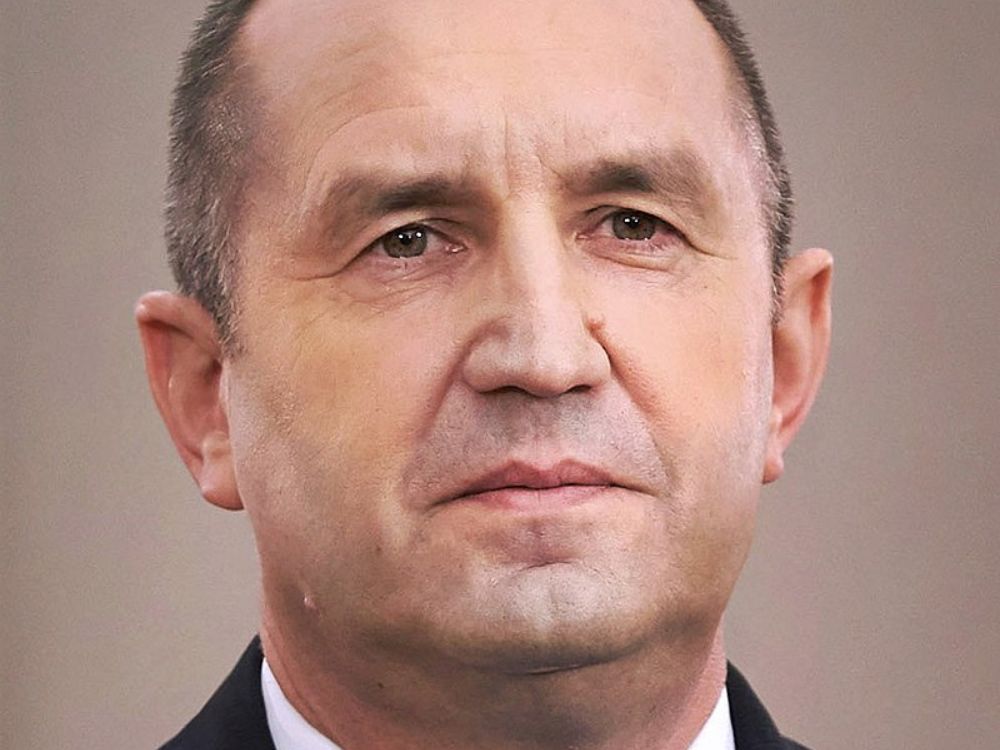
Rumen Radew secured approximately 45 percent of the vote in Bulgaria’s parliamentary election on April 20, 2026, giving his Progressive Bulgaria alliance a clear lead and raising the prospect of single-party government.
The result ended years of fragmented parliaments and frequent elections, offering the EU and NATO a chance for renewed stability in a member state that shares borders with both NATO and non-NATO countries in the Balkans.
European officials welcomed the outcome swiftly. Ursula von der Leyen wrote on X that she looked forward to cooperation for Bulgaria’s prosperity and European security, whereas António Costa confirmed he had spoken with Radew by phone and wished him well in his new role.
Russia also responded positively, with Kremlin spokesman Dmitri Peskow stating that Radew’s comments about resolving problems through pragmatic dialogue impressed Moscow, adding that Russia had consistently signaled its readiness for dialogue.
Peskow noted Putin had hosted Radew at the St. Petersburg International Economic Forum in 2019 when the Bulgarian was serving as president, but cautioned it was too early to conclude whether the broader European climate was shifting.
Radew, a 62-year-old former air force commander, described his victory as a „triumph of hope over mistrust“ and „freedom over fear,“ pledging to continue Bulgaria’s European path while fighting corruption.
Critics have long accused him of favoring closer ties to Russia, particularly due to his past skepticism toward sanctions on Moscow and arms deliveries to Kyiv, though he has affirmed Bulgaria’s EU and NATO commitments and said he would not block decisions on those issues.
The election comes amid intense fighting near Ukraine’s Zaporizhzhia nuclear power plant, where Ukrainian President Volodymyr Selenskyj reported brutal attacks across multiple regions including Dnipro, Tscherkassy, Charkiw, Krywyj Rih, Tschernihiw, Donetsk and Zaporizhzhia in the previous 24 hours.
A video from the influential Russian military blogger „Rybar“ suggested the frontline situation around Zaporizhzhia had deteriorated further from Moscow’s perspective, underscoring the volatility of the eastern front.
In a separate development, Sergei Beskrestnow, a 51-year-old specialist in military communications technology and advisor to Ukraine’s defense minister since January 2026, said his home was destroyed by a Shahed-type drone strike, though he survived.
Beskrestnow has been active in electronic warfare and reconnaissance since the war’s beginning, highlighting the growing role of drone combat in the conflict.
Could Radew’s victory lead to a more stable government in Bulgaria?
Yes, his alliance’s 45 percent share may be sufficient to form a single-party government, which would end the cycle of fragmented parliaments and frequent elections that have plagued Bulgaria for the past five years.

Does Radew’s perceived closeness to Russia threaten Bulgaria’s NATO and EU alignment?
Not according to Radew himself, who has affirmed Bulgaria’s European and Atlantic commitments and said he would not obstruct EU decisions on sanctions or arms deliveries to Ukraine, despite critics‘ concerns about his past positions.
Auch interessant


