
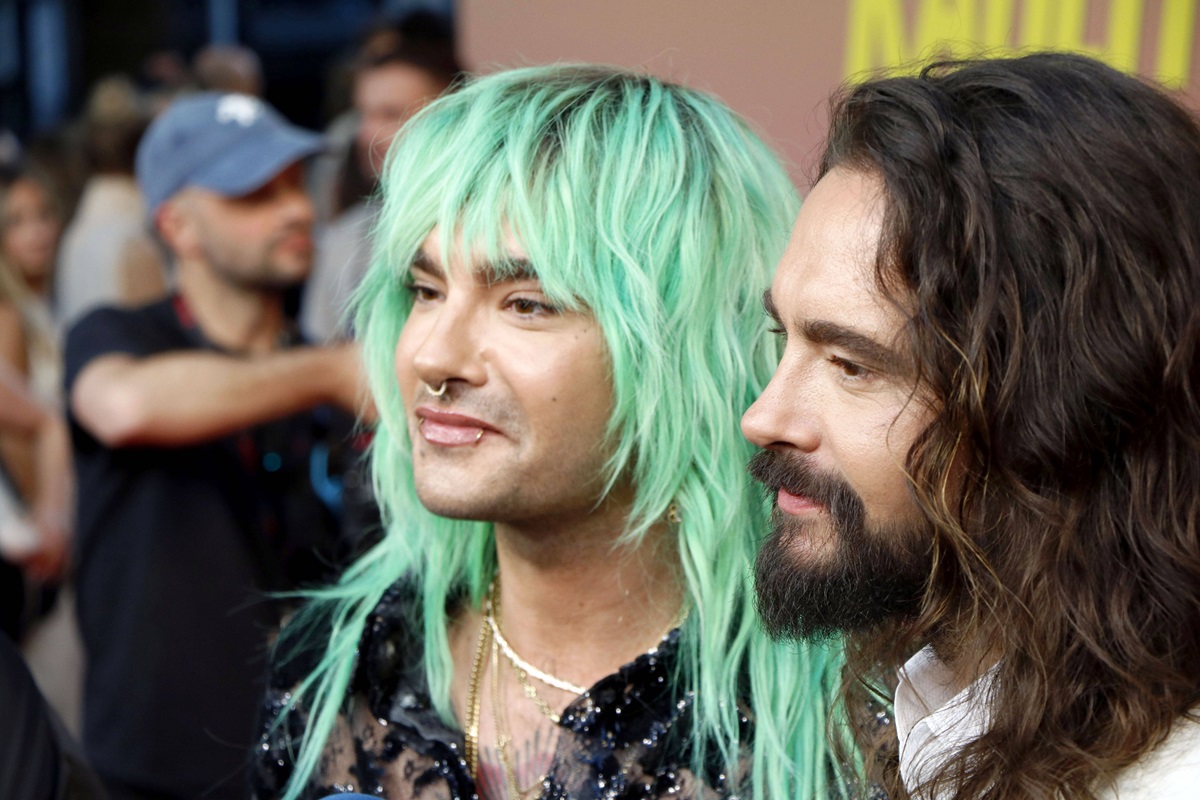
On April 20, 2026, during an episode of „Wer wird Millionär?“, contestant Silvia Schindler stunned host Günther Jauch by presenting a list of celebrity phone-a-friends that included Tokio Hotel frontman Bill Kaulitz – a move that highlighted both the evolving strategies of quiz present participants and the enduring cross-generational appeal of German pop culture icons.
Faced with a €4,000 question asking which currency’s anniversary was celebrated on January 28, 2026, „completely detached from the euro introduction,“ Schindler admitted uncertainty and activated her lifeline. The question, designed as a playful reference to Peter Schilling’s 1983 hit „Major Tom,“ required knowledge that the schilling had marked its 70th anniversary that day – making option C the correct answer.
What followed was unprecedented in recent memory: Schindler’s prepared list featured not only Kaulitz but also author Dr. Anke Elisabeth Ballmann and longtime „Wer wird Millionär?“ stalwart Eckhard Freise. When she named Kaulitz, Jauch’s visible surprise – captured in his candid query to the camera, „What is going on here today?“ – underscored how unusual it remains for contestants to directly access contemporary music stars via the show’s lifeline system.
The moment gained additional context from a concurrent media narrative: just days prior, reports had emerged that Bill and Tom Kaulitz would soon be immortalized as wax figures at Madame Tussauds, marking them as the first twin duo to receive such an honor. This timing amplified public fascination with the Tokio Hotel brothers‘ sustained cultural presence two decades after their breakthrough.
Schindler’s deadpan response to Jauch’s probing – „By just asking him“ – revealed a straightforward approach to celebrity access that contrasted with the host’s evident astonishment. It suggested a shifting dynamic where personal networks, rather than production-assisted connections, increasingly determine who appears on the other end of the phone during high-stakes quiz moments.
While the incident did not alter the game’s outcome – Schindler ultimately used the lifeline to answer correctly – it sparked immediate discussion among viewers about the blurred lines between fandom, accessibility and the informal economies of knowledge-sharing that undergird even seemingly pure entertainment formats.
Why did Silvia Schindler choose Bill Kaulitz as her phone-a-friend?
Schindler included Kaulitz on her prepared list of celebrity lifelines due to his prominence as the lead singer of Tokio Hotel, a band with lasting fame in German-speaking regions since the 2000s, though she did not elaborate on any personal connection beyond stating she reached out „by just asking him.“

Was Bill Kaulitz actually able to support answer the question?
The sources do not indicate whether Kaulitz was successfully contacted or provided assistance; Schindler proceeded to use the lifeline after naming him, but the outcome of that specific call attempt is not disclosed in either report.
Weiterlesen


