
A German YouTuber has demonstrated that tritium-powered betavoltaic cells can generate usable electricity when paired with amorphous silicon solar cells, turning radioactive decay into a practical power source for low-energy devices.
How the tritium battery actually works in practice
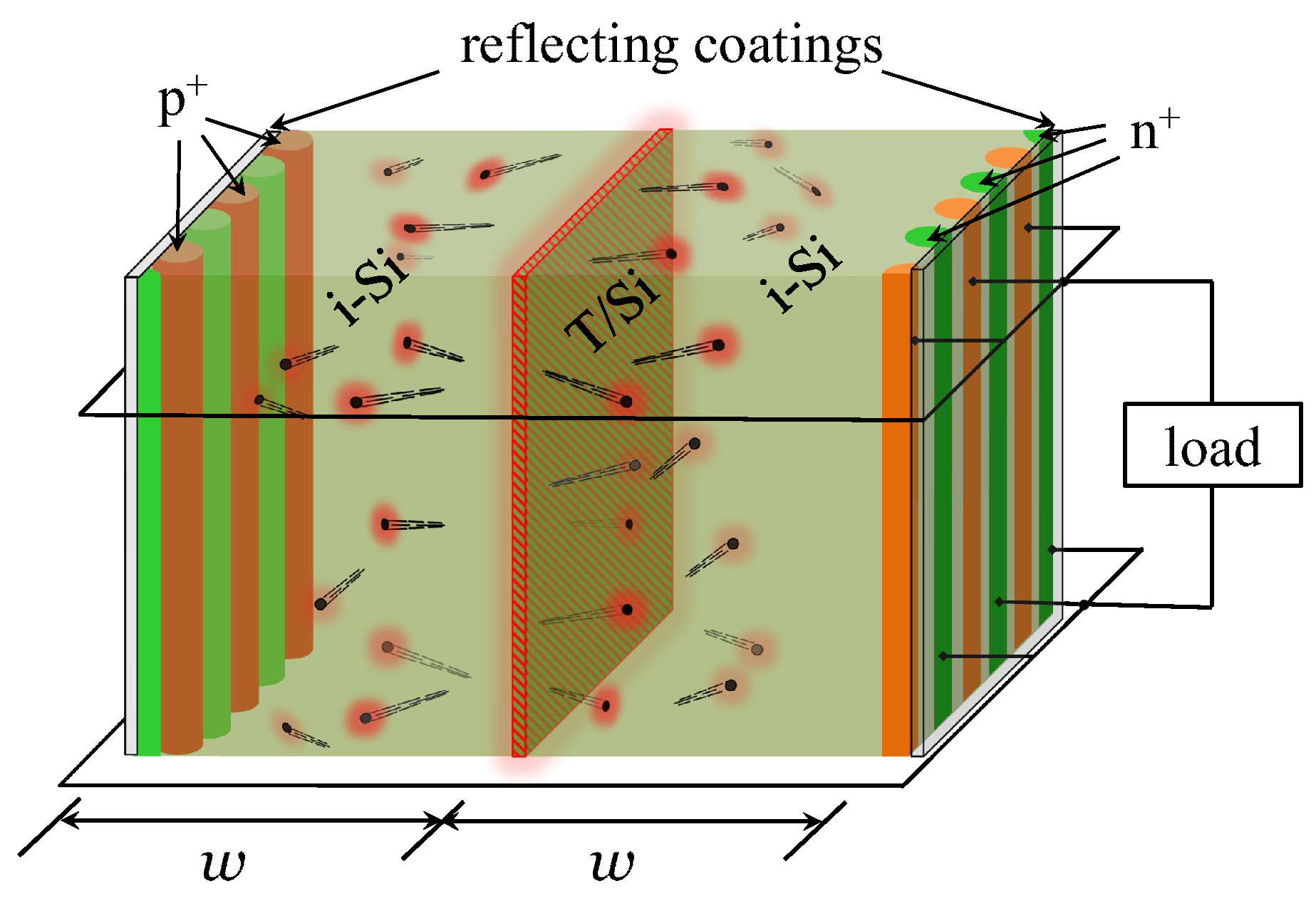
The experiment, documented in a recent video, uses a tritium gas tube — a common component in self-illuminating keychains and watch dials — as a beta radiation source. This radiation strikes a layer of amorphous silicon photovoltaic material, which converts the high-energy electrons into a tiny but steady electric current. Unlike conventional solar cells that rely on photons, this setup harvests energy directly from particle emissions, allowing it to function in complete darkness.
Why amorphous silicon was the critical enabling factor
Previous attempts to harness tritium for power generation often failed due to radiation damage degrading crystalline silicon over time. Amorphous silicon, by contrast, is more resistant to displacement damage from beta particles, maintaining its semiconductor properties longer under continuous irradiation. The YouTuber’s setup achieved microwatt-level output — sufficient to power a low-energy LCD display or intermittently charge a capacitor for brief bursts of higher demand.

What this means for niche applications of nuclear micro-power
While tritium betavoltaics remain impractical for grid-scale or consumer electronics due to low power density and regulatory hurdles, the demonstration validates their potential for remote sensors, medical implants, or space systems where maintenance is impossible and longevity outweighs power output. The approach avoids the demand for complex semiconductor doping or thermal management required in other nuclear batteries, relying instead on off-the-shelf photovoltaic materials adapted to a non-standard energy source.
Is this technology safe for consumer use?
The tritium used is weakly radioactive and contained within sealed glass tubes; beta particles cannot penetrate skin or ordinary materials, posing no external hazard if the casing remains intact.
Could this be scaled up to charge phones or laptops?
No — current output is orders of magnitude too low for modern electronics; tritium betavoltaics are suited only for microwatt applications where decades of maintenance-free operation are required.
Verwandte Artikel


