
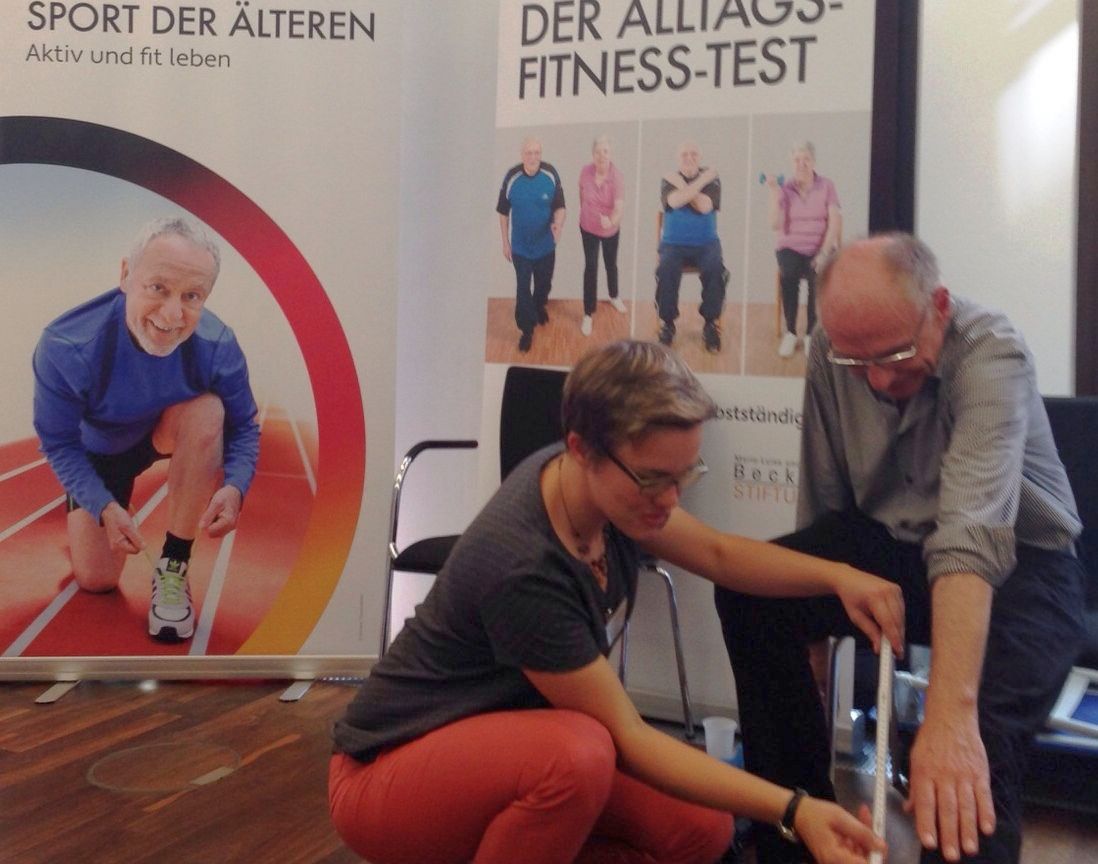
Die Deutsche Gesellschaft für Sportmedizin und Prävention (DGSP) hat im Juni 2026 den 60-Stufen-Test zur Bewertung der körperlichen Fitness vorgestellt. Der Test wurde in Zusammenarbeit mit der Deutschen Olympischen Sportbund (DOSB) und dem Bundesministerium für Gesundheit entwickelt, um eine standardisierte Messung von Ausdauer, Kraft und Flexibilität zu ermöglichen.
Debut of the 60-Stage Fitness Assessment in June 2026
The DGSP unveiled the 60-Stage Test in June 2026, a project born from collaboration with the DOSB and the Federal Ministry of Health. Designed to standardize evaluations of endurance, strength, and flexibility, the initiative aims to fill gaps in traditional fitness assessments. The test’s rollout followed years of research, with each stage targeting distinct physical performance metrics.
A Decade of Research Shaped the 60-Stage Test
Developed over multiple years, the test addresses limitations in existing fitness evaluation methods. Each of its 60 stages measures specific physical attributes, including oxygen uptake and muscle coordination. Two versions exist: one tailored for athletes and another for the general population. The DGSP emphasized its adaptability to diverse user needs.

Berlin Press Conference Unveils Key Partners
The test’s official announcement occurred at a Berlin press conference, attended by representatives from the DOSB and the Health Ministry. Dr. Lena Hoffmann, DGSP spokesperson, highlighted its potential for personalized training plans. “This test offers a detailed analysis of physical capability,” she said. The Bundeszentrale für gesundheitliche Aufklärung (BZgA) also joined, providing informational materials for users.
Targeting Athletes, General Public, and Chronic Patients
The 90-minute assessment is available at over 200 clinics and training centers nationwide. Participants undergo measurements on specialized equipment, with results compiled into detailed reports. These can be reviewed with physicians or trainers. The test’s scope spans athletes, fitness enthusiasts, and individuals with pre-existing health conditions, reflecting its broad applicability.

Experts Praise Innovation, Warn of Limitations
Sports scientists commended the test’s innovation but cautioned against overreliance on its findings. Prof. Dr. Michael Weber of TU Munich noted, “The test is a step in the right direction, but long-term studies on its efficacy are missing.” The Verbraucherzentrale NRW added that users should not treat results as the sole indicator of health, emphasizing context and professional guidance.
Expansion Plans Include Schools, Seniors, and European Markets
The DGSP intends to adapt the test for school classes and senior groups by 2027. A key goal is integrating it into statutory health insurance to reduce costs for users. Currently, the test remains privately bookable, priced between 150 and 300 euros. The organization also plans to expand the assessment to other European countries by 2027, with initial results from pilot programs to be published in autumn 2026.
Find more reporting in our Welt section.
Weiterlesen


