
The Phone Call That Crossed the Line
The timeline of the incident began with a segment that deviated from the planned narrative. In the months leading up to last year’s WrestleMania, WWE developed a storyline between Charlotte Flair and Tiffany Stratton, who was dating Ludwig Kaiser at the time. The exchange of insults took an unexpected turn when Stratton referenced Charlotte’s recent divorce. Charlotte responded by alleging that Kaiser had sent her private messages, a claim that, regardless of its authenticity, introduced real-world elements into the scripted rivalry.
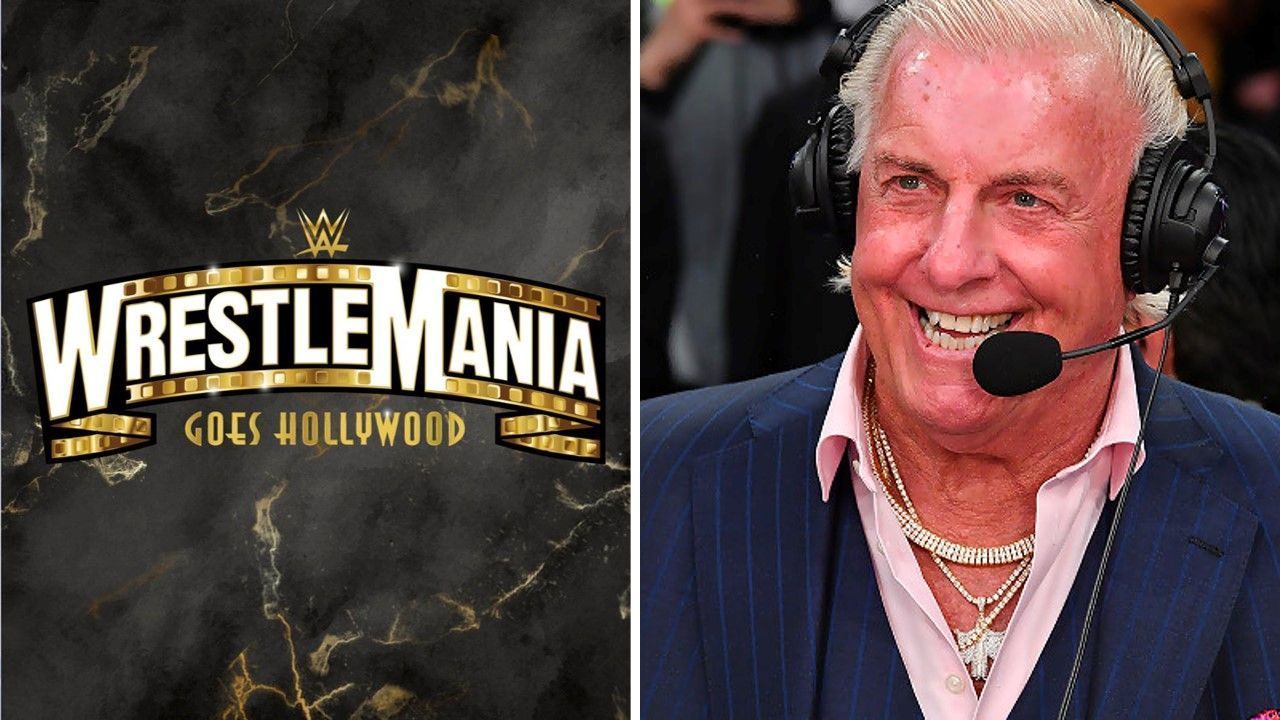
The fallout unfolded publicly, as personal and professional tensions often do in wrestling. According to reports from BILD, Ric Flair obtained Kaiser’s phone number and contacted him directly. Flair later discussed the conversation in an interview, acknowledging that he had made statements interpreted as threats of physical violence. While the exact wording of the exchange remains unverified, the severity of the claim prompted Kaiser to report the matter to WWE leadership. Triple H, WWE’s head of creative and a longtime associate of Flair, responded by barring the 76-year-old from WrestleMania 42.
Flair’s absence from the event was notable. While the spectacle unfolded in Las Vegas, he was observed socializing in nearby venues, a contrast to the high-profile role he had long played in the event. The ban served as a disciplinary action, reflecting WWE’s efforts to address backstage conflicts with greater consistency. The decision underscored the company’s evolving approach to managing incidents that extend beyond scripted storylines, particularly when they involve its most prominent figures.
The Legacy Problem: When Icons Become Liabilities
Ric Flair’s career has spanned nearly five decades, during which he has become one of wrestling’s most recognizable and influential figures. His impact extends beyond his in-ring accomplishments—his daughter Charlotte is among the most accomplished women’s wrestlers in WWE history, and his signature catchphrases remain iconic. However, legacy can also present challenges. Flair’s status as a wrestling legend may have afforded him certain protections in the past, but it also amplified the significance of his ban from WrestleMania. The decision demonstrated that even the most celebrated figures are subject to the company’s policies.
The incident has prompted discussions about how wrestling navigates the intersection of its theatrical traditions and modern workplace expectations. In an industry built on scripted conflict, where performers often blur the lines between character and reality, real-world threats carry distinct implications. Flair’s actions, whether driven by personal frustration or an extension of his on-screen persona, forced WWE to address the consequences of behavior that crosses into real-world aggression. The situation highlighted the difficulties of maintaining the industry’s dramatic appeal while upholding professional standards.
Flair’s eventual statement on social media was measured. He acknowledged Kaiser’s abilities but did not directly address the reported threat. The message conveyed a degree of diplomacy, though it left the core issue unresolved. Whether the statement was intended to repair the relationship or to facilitate his return to WWE remains unclear. The company’s handling of his future appearances will likely determine the long-term impact of the incident.
The Script vs. Reality: Where Wrestling’s Illusion Ends
Wrestling has long relied on the illusion of conflict to engage audiences. Fans willingly suspend disbelief to invest in storylines that are, by design, choreographed. However, the boundary between scripted drama and real-life tensions is not always distinct, particularly when personal relationships are involved. The rivalry between Charlotte Flair and Tiffany Stratton was intended to build anticipation for WrestleMania, but it instead became the catalyst for a real-world confrontation unrelated to the planned narrative.
This is not the first instance in which WWE has had to address the consequences of blurred boundaries. The company’s history includes numerous backstage altercations, from high-profile disputes to more recent conflicts involving talent. What distinguishes the Flair-Kaiser incident is its public nature. Flair’s acknowledgment of the threat in a widely shared interview compelled WWE to respond in a manner that was visible to fans and industry observers. Triple H’s decision to ban Flair from WrestleMania was not solely about enforcing discipline; it also reflected the company’s intent to address behavior that escalates beyond scripted storylines.
The question now is whether this approach will become a lasting standard. Wrestling’s appeal has always been rooted in its unpredictability, its ability to create the illusion that anything can happen. Yet when that unpredictability extends into real-world conflicts, it poses risks. WWE faces the challenge of preserving the drama that attracts audiences while establishing clear boundaries to protect its talent. The Flair incident suggests the company is prepared to make difficult decisions, even when they involve its most revered figures.
What Happens Next: The Unanswered Question
Ric Flair’s ban from WrestleMania does not represent a permanent separation from WWE. The possibility of his return remains, though the conditions for that return have not been specified. Will the company require additional steps, such as further statements or behavioral assurances, or will Flair’s legacy be sufficient to mitigate the controversy? The answer may depend on how WWE balances its reliance on star power with its commitment to maintaining a professional environment.
For now, the incident serves as a reminder of the complexities inherent in wrestling’s blend of scripted and real-life dynamics. The qualities that make performers compelling—charisma, intensity, and a willingness to push boundaries—can become problematic when they extend beyond the confines of the script. Flair’s career has been defined by his ability to navigate that balance, but this time, his actions crossed a line. WWE’s response indicates the company is no longer willing to overlook behavior that threatens workplace safety, even when it involves its most legendary figures.
The broader question is whether wrestling can evolve without sacrificing the elements that define its appeal. The industry thrives on its ability to transform personal rivalries into entertainment, but when those rivalries become real, they force difficult conversations about the limits of performance. Flair’s ban may prove to be an isolated incident, or it could mark the beginning of a broader shift in how WWE manages backstage conflicts. Regardless, it has already reshaped the narrative—for Flair and for the company he helped shape.


