
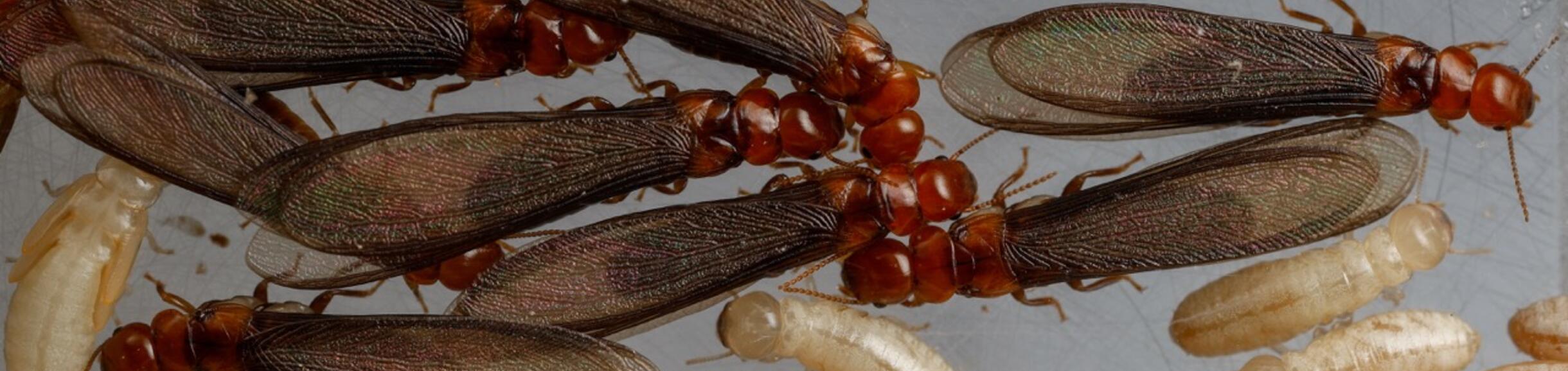
Scientists at UC Riverside have boosted termite control effectiveness from 70% to over 95% by adding a natural pine scent to insecticide.
The method uses pinene, a compound released by forest trees, to lure western drywood termites toward treated wood instead of relying on random contact. In lab tests, the approach significantly increased mortality rates compared to insecticide alone, according to entomologist Dong-Hwan Choe, who led the study published in the Journal of Economic Entomology.
Western drywood termites are common across North America and play a natural role in breaking down dead wood. But when they invade homes, they cannot distinguish between forest timber and structural lumber, making them a persistent pest in warm regions like California, Florida, and parts of Canada and Mexico.
Current treatments face growing limitations
Fumigation remains widely used in California despite its drawbacks, including health risks from sulfuryl fluoride, high costs, and lack of long-term protection. The chemical is also a potent greenhouse gas, adding environmental concerns to its use.

Localized injection offers a more targeted alternative, delivering insecticide directly into termite galleries. This method uses less chemical and may depart wood better protected against future infestations, though it still depends on locating the pests.
How the new method improves precision
By using pinene as an attractant, the treatment turns passive waiting into active luring, drawing termites from hiding places toward the insecticide. This increases the chance of contact without requiring full-home treatment or repeated applications.
The approach builds on earlier efforts to improve localized treatments, which previously struggled with inconsistent results due to termites avoiding treated zones. Last time a similar attractant-based strategy was tested for subterranean termites, success rates improved but remained below 80% in field conditions.
Is this method safe for use in homes?
The pinene used is a naturally occurring compound found in pine trees and is considered low-risk for humans and pets at the concentrations used.
Will this replace fumigation entirely?
Researchers say the method could reduce reliance on fumigation but is unlikely to replace it completely, as severe or widespread infestations may still require whole-structure treatment.


