
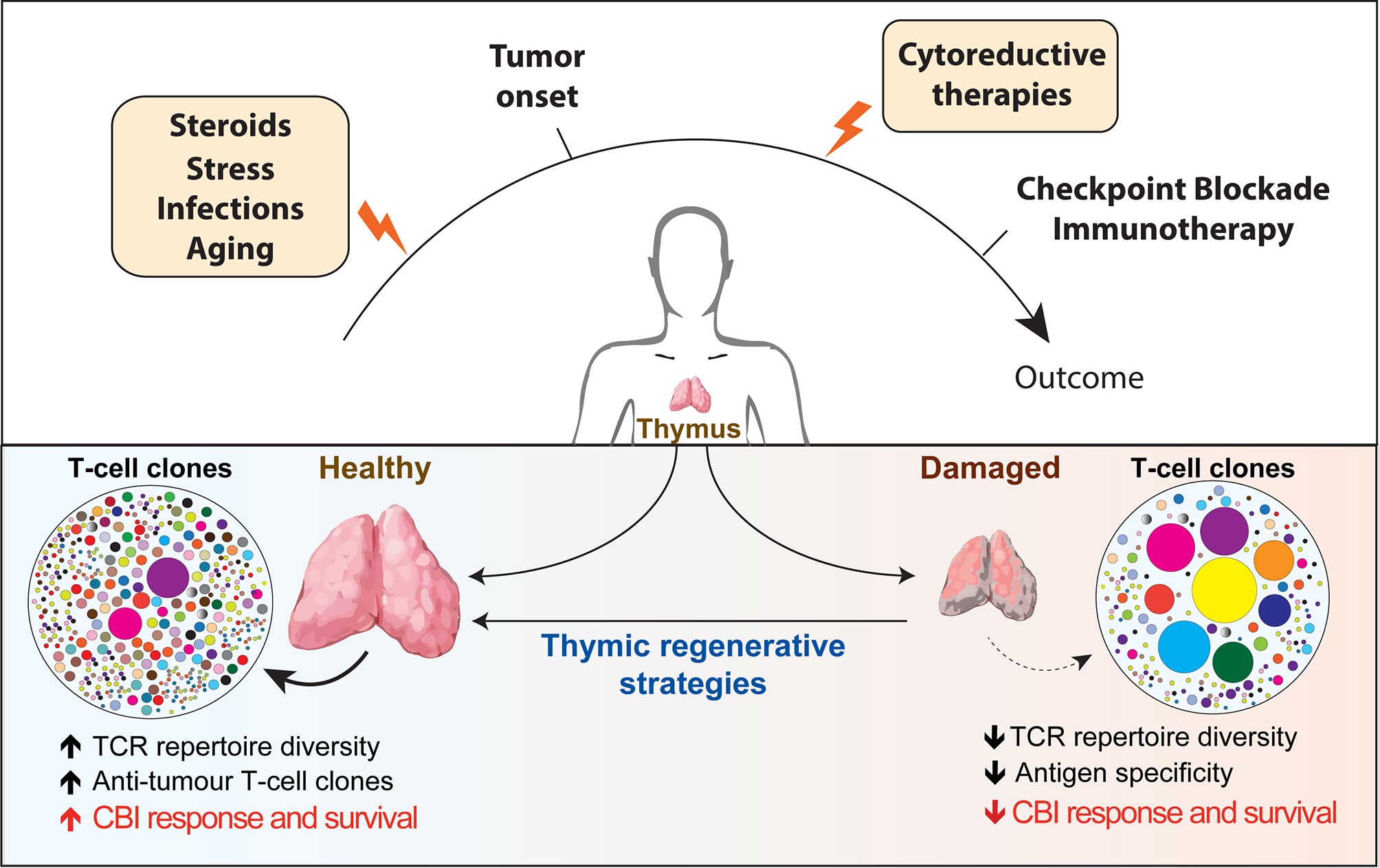
Recent CT scans of adult thymus glands show a direct link between organ size and both life expectancy and response to cancer immunotherapy, according to two studies published in Nature.
Thymus size predicts immunotherapy success and survival
Researchers found that patients with larger thymus volumes on CT scans lived longer and responded better to checkpoint inhibitors, a class of drugs that unleash the immune system against tumors. The thymus, which trains T-cells to avoid attacking the body, shrinks after puberty but remains functionally relevant in adulthood, contrary to long-held assumptions. This challenges the idea that the organ becomes obsolete after adolescence.
Organ once routinely removed now seen as vital
Historically, the thymus was often excised during heart or parathyroid surgery due to beliefs about its irrelevance in adults, and enlarged thymuses were routinely removed out of caution. The new findings suggest such practices may have deprived patients of a key immune regulator, potentially affecting long-term outcomes. Last time similar assumptions led to widespread organ removal, it was the appendix — once deemed vestigial, now known to support gut immunity.

Implications for cancer treatment and aging research
Measuring thymus size could develop into a simple biomarker to guide immunotherapy decisions, helping identify patients most likely to benefit from expensive treatments. It may also open new avenues in aging research, as thymic involution correlates with increased susceptibility to infections and autoimmune diseases. Further studies are needed to determine whether thymus preservation or regeneration could improve resilience in older adults.
What is the thymus and why was it overlooked?
The thymus is a chest-based organ responsible for teaching T-cells to distinguish between self and foreign threats, preventing autoimmune attacks. It was considered inactive in adults because it shrinks after puberty, leading to the belief that its work was done.
How might this change medical practice?
Doctors may start routinely assessing thymus volume in cancer patients before immunotherapy and reconsider thymectomy during unrelated surgeries. However, any shift in guidelines will require validation in larger, diverse populations.


