
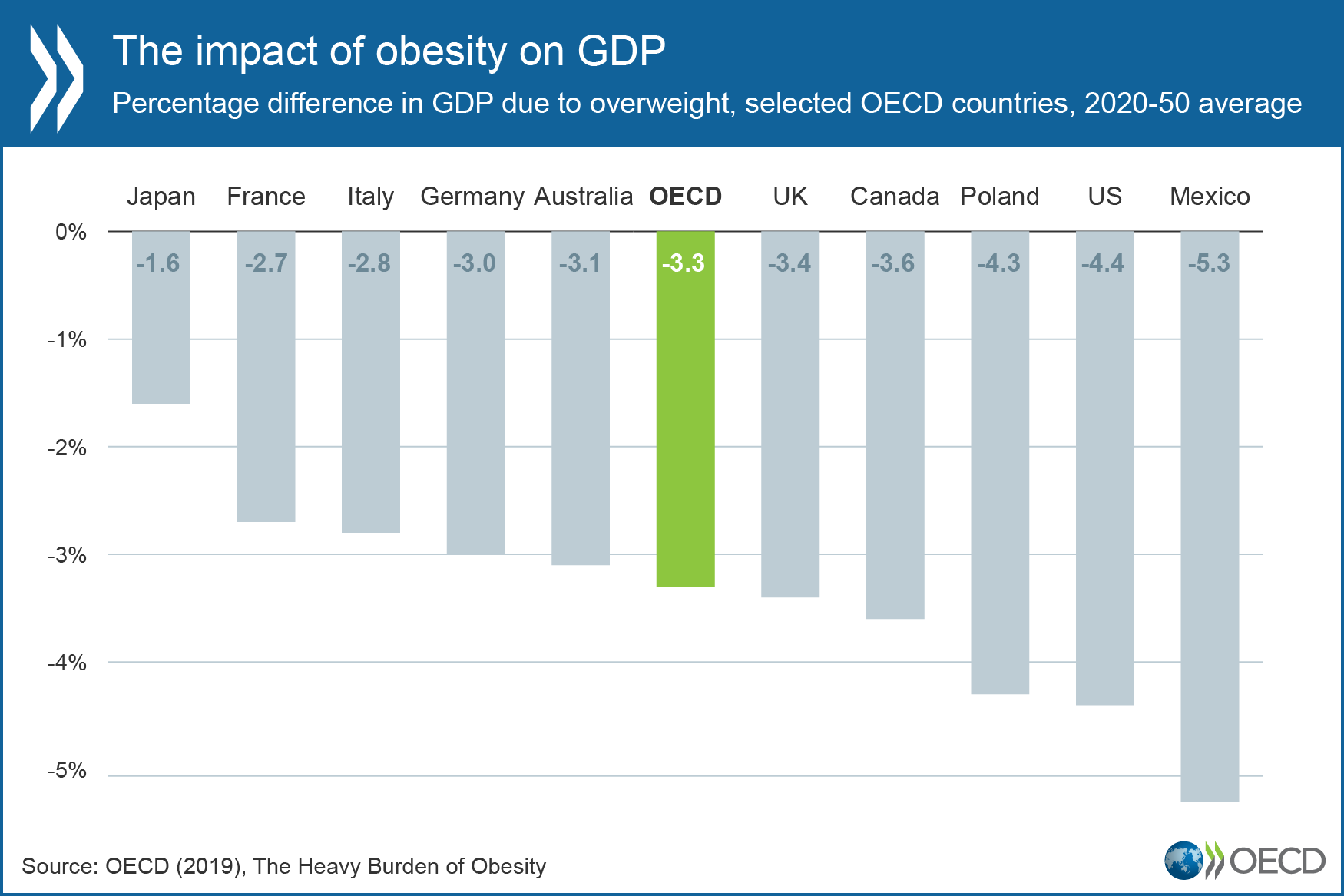
Obesity has neutralized public health gains made since 2010 in a majority of developed nations, according to an OECD report released in Paris. The study found that in 57% of the approximately 50 countries analyzed, the prevalence of non-communicable diseases like diabetes and cancer rose due to increasing obesity rates.
These trends offset the benefits of reduced air pollution and lower tobacco and alcohol consumption. While 43 countries saw a decline in these diseases, the OECD attributes those specific improvements to cleaner air and fewer smokers.
Disease rates surged between 1990 and 2023
The report documents a sharp rise in chronic conditions across OECD member states, including Germany. Diabetes prevalence surged by 86% between 1990 and 2023. Chronic lung diseases increased by 49%, and cancer cases rose by 36%.
Current data shows one in ten people in these countries now lives with diabetes. One in eight suffers from a cardiovascular disease.
The OECD attributes these figures to a combination of an aging population and improved survival rates for existing patients. But, the surge in severe overweight is a primary driver of the overall increase in disease burden.
How the OECD proposes to reduce the burden
The organization identifies obesity as the most significant opportunity to reduce the global burden of non-communicable diseases. Tackling this issue, alongside tobacco use and poor nutrition, remains the top priority for public health officials.
The report calls for immediate regulatory action. The OECD recommends stricter controls on food advertising targeting children, broader access to healthy meals, and improved public education.
Failure to implement these measures could lead to sustained healthcare costs. The report suggests that without systemic changes to diet and activity, the gains from environmental and anti-smoking policies will continue to be erased.
Which diseases are most affected by obesity?
The report specifically links rising obesity rates to the increase in non-communicable diseases, most notably diabetes and cancer.

Why didn’t air pollution and smoking cuts solve the problem?
While those factors reduced certain health risks, the OECD states that the rise in obesity was strong enough to completely neutralize those positive effects in many countries.


