
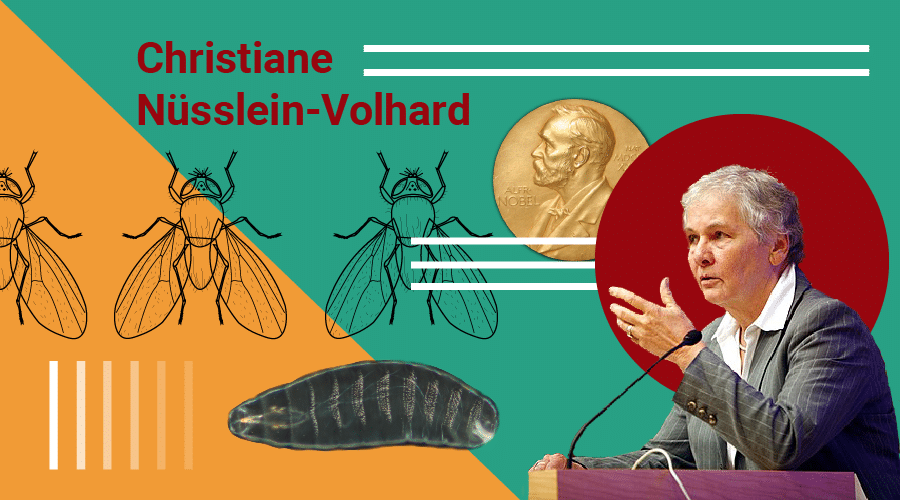
Christiane Nüsslein-Volhard, the Nobel laureate in Physiology or Medicine, revealed she received only a grade of two in biology during her school years, highlighting a persistent societal undervaluation of scientific disciplines in Germany.
How societal attitudes toward science start in childhood
Nüsslein-Volhard explained that German society traditionally emphasizes humanities skills like Latin or Greek over scientific aptitude, often praising language abilities while accepting poor performance in mathematics and science. This bias manifests early, as children are more likely to recognize differences between car models than distinguish between plant species in their own gardens, she noted.
Why this perception persists despite scientific achievements
The biochemist attributed the enduring devaluation of science to a cultural pattern where scientific knowledge is not seen as prestigious, contrasting with the high regard for humanities expertise. She observed that this mindset remains unchanged despite Germany’s strong scientific output and Nobel laureates, indicating a deep-rooted cultural preference for classical education over STEM fields.

What So for current education reforms
Her comments approach as Bavaria launches the first cohort of the new nine-year gymnasium (G9) system into final Abitur examinations, a reform intended to deepen general education. Nüsslein-Volhard argued that without addressing societal attitudes, such structural changes alone will not elevate the status of science subjects in schools or public perception.
Why does Nüsslein-Volhard believe science is undervalued in Germany?
She believes science is undervalued because German society traditionally praises humanities skills like Latin and Greek while accepting poor performance in math and science, a bias that starts in childhood when children learn to distinguish car models but not plants.
How does the new G9 system in Bavaria relate to her concerns?
Nüsslein-Volhard suggests that structural reforms like the G9 system will not improve science’s status without addressing the underlying societal attitudes that devalue scientific knowledge compared to humanities expertise.
Weiterlesen


