
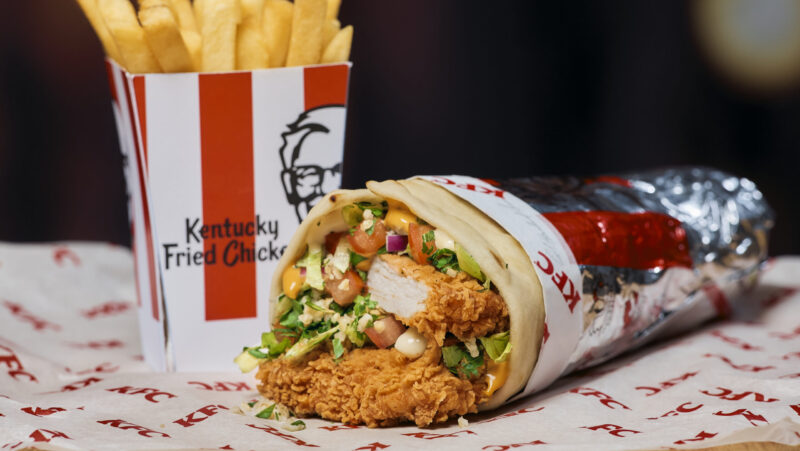
The potential for a product withdrawal represents a significant operational challenge for the company. KFC Deutschland has indicated that if a resolution cannot be reached with a Bielefeld-based döner company, the company will remove the KFC Krispy Kebab
from its menu. While the fast-food giant continues to seek a joint solution, it has described current negotiations as challenging
, according to reports by RP Online.
The dispute centers on a clash between a global infrastructure of approximately 32,000 locations and a regional operation with 17 sites. The Bielefeld company, founded in 2017, holds the trademark rights to the name Krispy Kebab. KFC has acknowledged that it was unaware of this existing protection when it launched its own version of the dish in Germany.
The failure of Freedom to Operate analysis
In the professional rollout of a new product, a global corporation typically employs a Freedom to Operate
(FTO) analysis. This process is designed to ensure that a new product name or brand identity does not infringe upon existing trademarks. In this instance, the efficacy of the FTO process is being questioned as the company now faces legal challenges over the naming of the product.
The legal representation for the Bielefeld company, the law firm SKW Schwarz, argues that the infringement is clear. The company’s protection is based on a word-image mark, where the text is the defining element. The law firm contends that the Krispy Kebab name should have appeared during any standard trademark search, making the oversight surprising given the scale of KFC’s global operations.
The risk for the consumer is brand confusion. If a customer encounters a regional Krispy Kebab location and subsequently sees the same name at a KFC, the implication is an institutional partnership or a shared brand identity. This perceived connection is the core of the trademark violation.
Scale disparity and the David-Goliath dynamic
The tension in this dispute is amplified by the vast difference in scale between the two parties. The Bielefeld firm operates two own stores and 15 franchise locations across cities including Hannover, Essen, Emden, and Wesel. By contrast, KFC operates on a global scale. Despite this, the legal protections of the smaller firm have placed it in a position of strength.
The regional company’s growth strategy involves granting territory protection to its franchise partners. Under these agreements, no other Krispy Kebab products are permitted to be sold within a partner’s designated area. This contractual obligation adds a layer of complexity to the dispute; the owner of the Bielefeld firm faced the risk of financial claims from his own partners if the territorial exclusivity was breached by the KFC rollout.
The law firm representing the smaller entity has characterized the legal struggle as a battle of David against Goliath, asserting that in this case, David has won.
Blocked paths to collaboration
Attempts to resolve the conflict through partnership have so far proven unsuccessful. The Bielefeld company proposed a collaborative product, which would have involved using the regional firm’s specific sauces in KFC dishes. KFC declined this proposal.
Further attempts at a settlement included an offer from KFC to provide free advertising for the regional döner chain within KFC branches. This offer was also rejected. The lack of alignment on these terms suggests that a commercial compromise has not yet been reached, which increases the possibility of the product being removed from the menu to avoid further litigation.
The current state of negotiations remains difficult. Because the parties have not found common ground on collaboration or compensation, the likelihood of a last-minute agreement is considered low by the legal representation of the regional firm.
The risk of product withdrawal
For a global brand, the decision to pull a product schweren Herzens
(with a heavy heart) is rarely about the product itself, but about the legal necessity of avoiding a prolonged court battle over intellectual property. Removing the Krispy Kebab from the German menu would be the direct result of this unresolved trademark conflict.
The case highlights the reality that regional trademark protections are enforceable regardless of the size of the infringing party. A global footprint does not grant immunity from local intellectual property laws, as evidenced by the current dispute over the use of the Krispy Kebab name in the German market.
Observers should watch for the formal announcement of the product’s status. If KFC confirms the removal of the Krispy Kebab, it would indicate that the company chose to prioritize legal compliance over the continued availability of this specific product line in Germany. The company must then decide how to handle its presence in the kebab category.


