
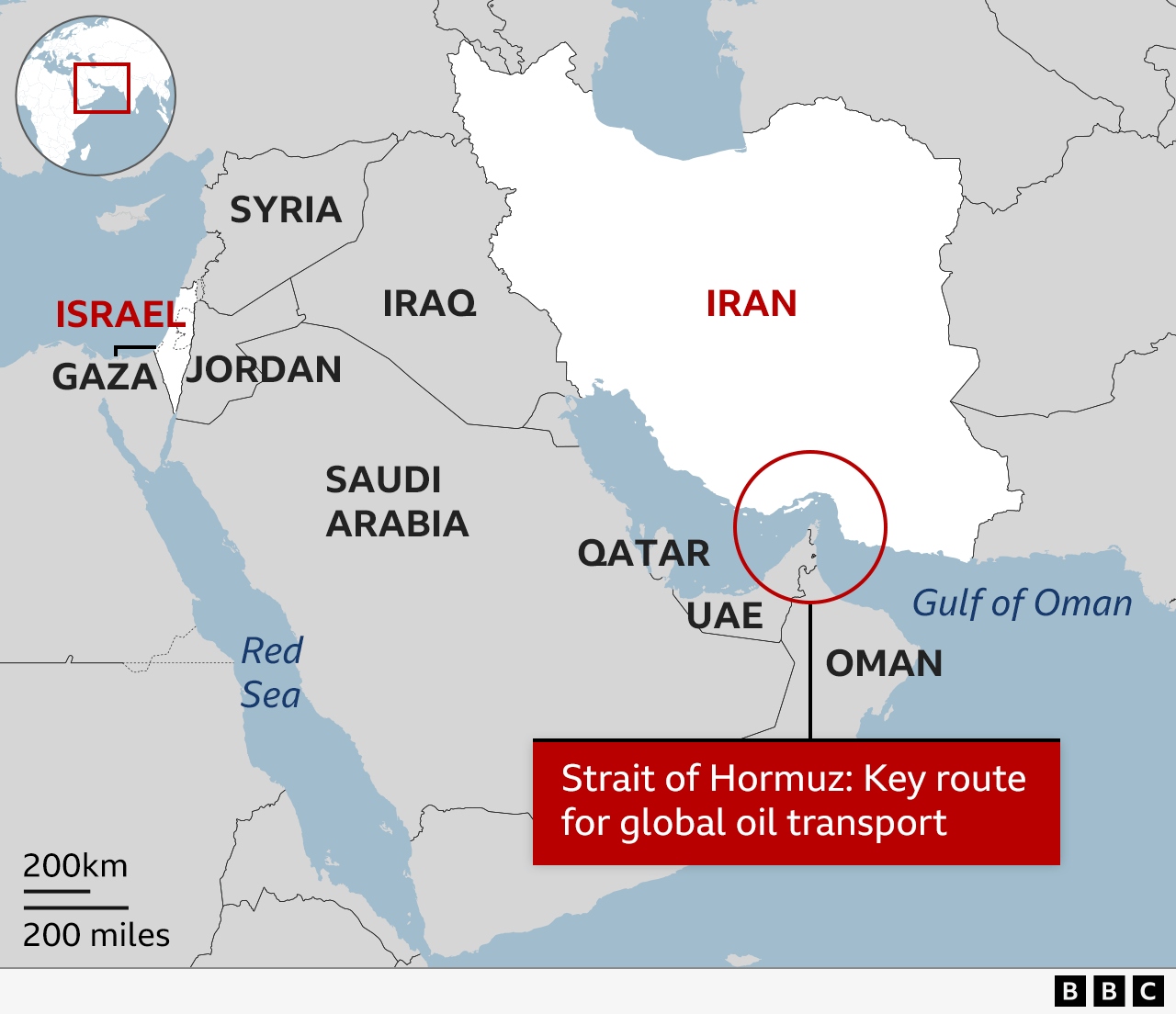
Nine ships turned back toward Iranian ports within the first 48 hours of a U.S. Naval blockade in the Strait of Hormuz. U.S. Central Command (Centcom) claimed via X that not a single vessel bypassed their forces during the initial operation, asserting total control over the maritime chokepoint.
Shipping tracking data suggests a different reality. At least three ships departing from Iranian ports successfully navigated the strait on Tuesday, contradicting the official military narrative of a seamless seal. This discrepancy emerges as the conflict escalates from targeted strikes to a full-scale economic and maritime siege.
Iran threatens to sink U.S. Naval vessels
Mohsen Resai, military advisor to Supreme Leader Modschtaba Chamenei, warned on Iranian state television that U.S. Ships are now targets for missiles. He questioned whether This proves the role of a superpower to act as the „police of the Strait of Hormuz.“
Resai claimed the first wave of Iranian missiles would sink U.S. Vessels, describing the American military presence as a direct provocation. The rhetoric mirrors the high-tension standoffs of the 1980s „Tanker War,“ where both sides traded strikes on commercial and military shipping to exert political pressure.
Secondary sanctions target Chinese oil buyers
U.S. Treasury Secretary Scott Bessent told reporters at the White House that the blockade aims to starve the Iranian regime of its primary revenue stream. The U.S. Is now prepared to impose secondary sanctions on any nation that continues to purchase Iranian oil or host Iranian funds in their banks.
Treasury officials have already sent direct warnings to two Chinese banks. Washington expects these measures to force a pause in China’s oil imports from Iran, effectively isolating the regime from its most critical economic partner.
Internet blackout isolates the Iranian population
The regime cut off the internet nationwide on February 28. This digital curtain was dropped the moment the war began, leaving the vast majority of the population without a connection to the outside world.
Access is now a luxury of the elite. Only those with ties to the regime or high-ranking officials in the state apparatus maintain connectivity. For others, the only way out is through expensive, illegal Starlink terminals, creating a stark divide between the ruling class and a silenced public.
Does the U.S. Have total control of the Strait of Hormuz?
Centcom claims no ships have bypassed the blockade, but independent shipping data shows at least three vessels successfully exited Iranian ports and crossed the strait on Tuesday.
How is the U.S. Pressuring China to stop buying Iranian oil?
The U.S. Treasury is threatening secondary sanctions against any country or bank that handles Iranian money or oil, and has already contacted two Chinese banks directly.
Verwandte Artikel


