
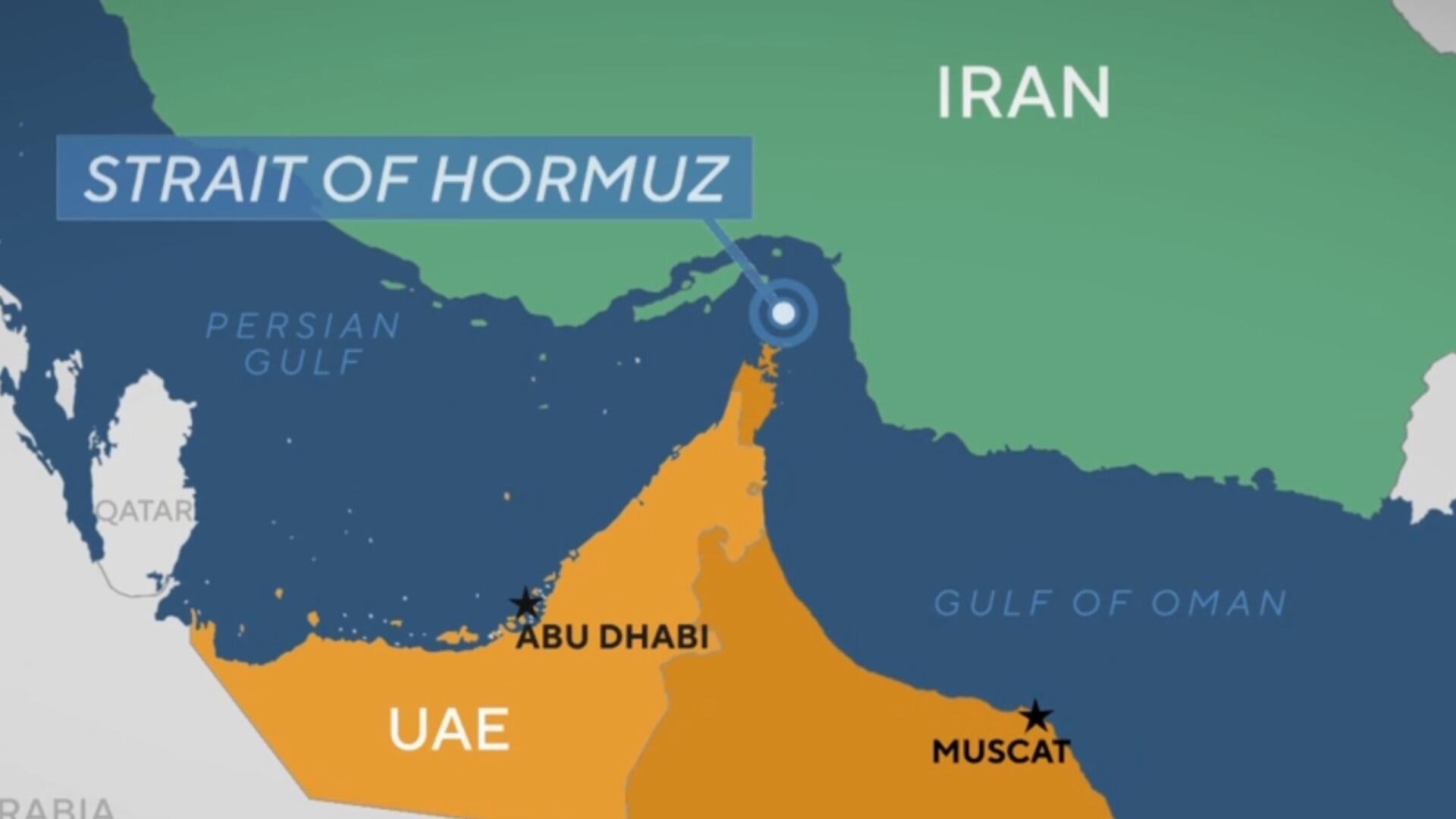
Iran announced it will maintain the blockade of the Strait of Hormuz until the current ceasefire ends, reversing an earlier pledge to lift the restriction and triggering a sharp drop in global oil prices.
Iran suspends lift of Hormuz blockade amid volatile ceasefire
Foreign Minister Abbas Araghchi stated that all commercial vessels must now follow a coordinated route previously issued by Iran’s port and maritime authority, effectively extending the blockade despite Friday’s announcement of its removal. The decision came after U.S. And Israeli strikes on February 28 eliminated key Iranian leadership figures, including the succession of Mojtaba Khamenei following his father’s death, and came amid reports of a U.S.-brokered ceasefire holding between Israel and Lebanon.
Oil markets react sharply to renewed Hormuz uncertainty
Brent crude fell more than eight percent to $91.11 per barrel, briefly dipping below $90, while U.S. WTI dropped over nine percent to $85.90 per barrel. The price swing reflects the market’s sensitivity to any disruption in the strait, which carries about 20 percent of global oil trade, and underscores how quickly geopolitical shifts in the region translate into financial volatility.

Conflicting signals emerge from U.S. And Iranian positions
While Iran framed the continued blockade as a response to ongoing U.S. Maritime pressure, President Donald Trump claimed the U.S. Had helped Iran clear sea mines from the strait and criticized NATO as ineffective, saying it only contacted him after tensions eased. Trump similarly asserted that the U.S. Had barred Israel from further bombing in Lebanon, a claim that contrasts with Israeli Prime Minister Benjamin Netanyahu’s vow to dismantle Hezbollah, which he said would require sustained effort and diplomatic maneuvering.
Human cost underscores fragility of truce
Reuters reported that an Israeli drone strike in southern Lebanon killed one person on the first full day of the ceasefire, underscoring the fragility of the truce even as diplomatic efforts continue. The incident followed Trump’s public statement limiting Israeli actions in Lebanon, highlighting the divergence between U.S. Declarations and on-the-ground developments.
Why did Iran decide to keep the Hormuz blockade in place?
Iran said it would maintain the blockade until the ceasefire ends, viewing any continued U.S. Maritime pressure as a violation of the truce, according to statements from its foreign ministry and the Fars news agency.
How much did oil prices drop after Iran’s announcement?
Brent crude fell more than eight percent to $91.11 per barrel, while U.S. WTI dropped over nine percent to $85.90 per barrel, with Brent briefly trading below $90.
Verwandte Artikel


