
The Fiscal Logic Behind a Tax Rule That No Longer Fits
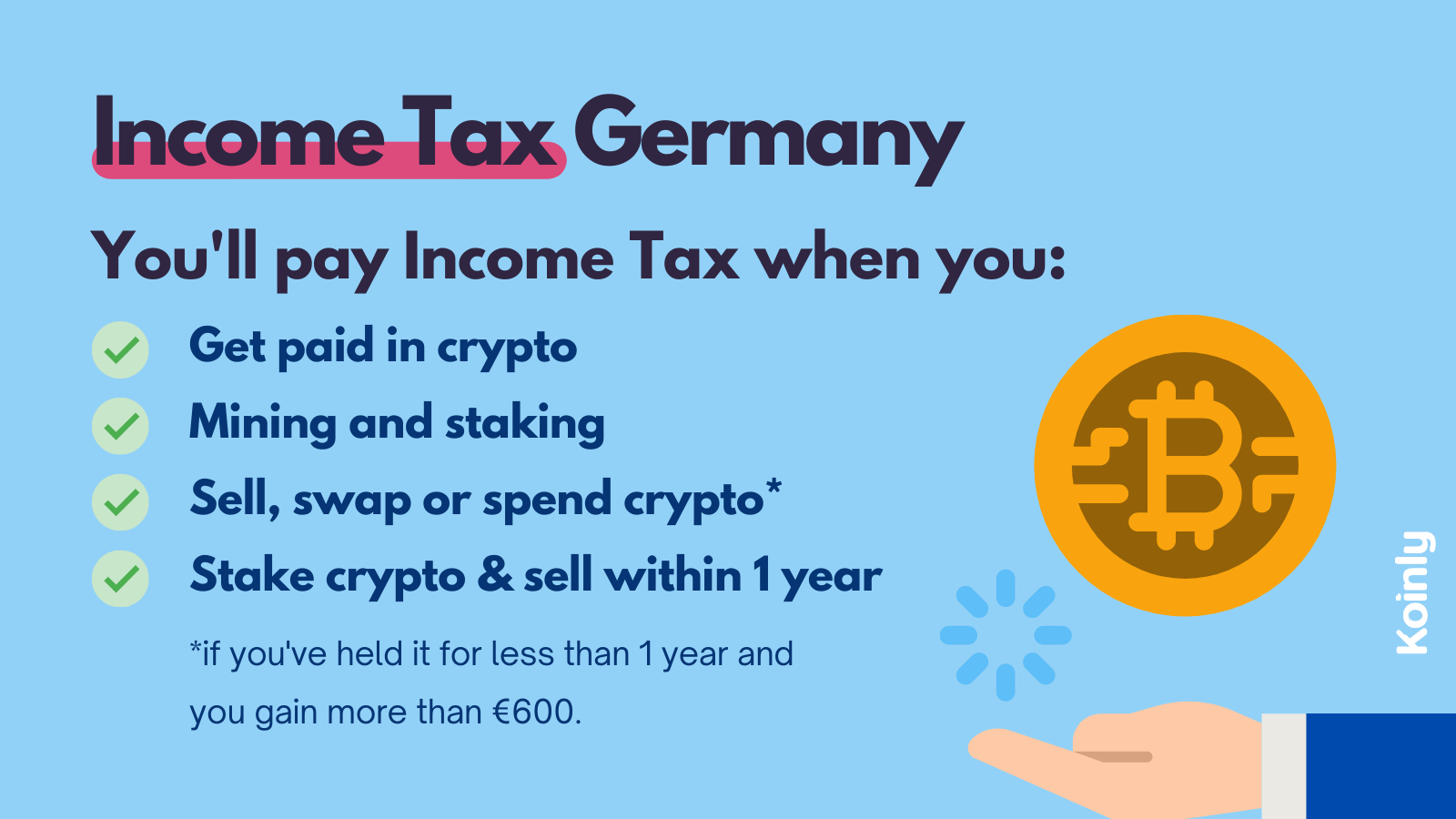
The current framework for crypto taxation in Germany reflects an earlier phase in the development of digital assets. Since 2020, profits from crypto sales have been treated as private sales transactions (private Veräußerungsgeschäfte), subject to income tax only if the assets are held for less than a year. After that threshold, gains become tax-exempt. This policy has provided Germany with a competitive edge in Europe, where most jurisdictions tax crypto gains regardless of how long the assets are held.

A recently reviewed budget draft indicates a potential shift in this approach. The document references increased revenue projections from crypto taxation alongside adjustments to other levies, suggesting a broader effort to expand taxable income sources. While the draft does not outline specific changes, it uses the phrase Anpassung der Besteuerung von Kryptowährungen
, which leaves room for interpretation—ranging from minor adjustments to a complete overhaul of the existing rule.
The lack of clarity extends to critical details, such as whether any changes would apply retroactively or include provisions for existing holdings. Without further guidance, investors are left to assess the potential impact on their strategies. The uncertainty surrounding the government’s intentions has already begun to influence market behavior, as stakeholders weigh the risks of a policy shift.
How the One-Year Rule Shaped Germany’s Crypto Market
Germany’s tax exemption has played a significant role in defining its crypto ecosystem. Unlike jurisdictions such as the U.S. or France, where crypto gains are taxed as capital income from the outset, Germany’s policy has incentivized long-term holding. This has drawn investors who prioritize tax efficiency, contributing to a market less susceptible to short-term volatility and more aligned with the long-term investment strategies common in crypto culture.

The rule has also positioned Germany as a favorable destination within the EU. While countries like Portugal and Malta have offered temporary tax incentives, Germany’s exemption is permanent and applies universally to all crypto assets, not just Bitcoin. This has made it an attractive hub for crypto startups, exchanges, and high-net-worth individuals seeking regulatory stability. If the exemption is revised or removed, this competitive advantage could diminish.
The policy’s influence extends beyond investor behavior. By treating crypto differently from traditional assets like stocks, the tax code has reinforced the perception of digital assets as a distinct class. Aligning crypto taxation with that of stocks would blur this distinction, potentially accelerating its integration into conventional financial systems. The implications of such a shift remain a subject of debate among industry participants and policymakers.
For now, market reactions have been subdued, with prices and trading volumes remaining stable. However, beneath the surface, investor strategies are evolving. Some are accelerating sales to secure tax-free gains under the current rules, while others are maintaining their positions, anticipating that political negotiations may soften any proposed changes. Both approaches carry risks: the former assumes a policy shift is imminent, while the latter bets on its delay or modification.
For more on this story, see Germany: Modern York Mayor Zohran Mamdani proposes tax on luxury second homes over $5M to fund free childcare, drawing criticism from Donald Trump. (78 characters).
The Political Hurdles Ahead—and Why the Rule Might Survive
The budget draft represents only the initial stage of a lengthy legislative process. Following cabinet approval, the proposal must navigate the Bundestag and Bundesrat, where it will face scrutiny from lawmakers, industry groups, and the public. The crypto sector, though smaller than traditional financial industries, has become an increasingly vocal advocate in Berlin. Exchanges, startups, and investor associations are mobilizing to preserve the one-year rule, arguing that its removal could drive capital and innovation out of the country.
The political context adds further complexity. The government is seeking ways to address budgetary shortfalls without imposing broad tax increases on the general population. Crypto, with its expanding but still relatively modest tax base, presents a tempting target. However, targeting a niche asset class while leaving larger tax loopholes untouched could provoke backlash, particularly among tech-oriented voters who view crypto as a legitimate investment.
The broader regulatory landscape also plays a role. Germany’s approach to crypto taxation has stood out within the EU for its clarity. The Markets in Crypto-Assets Regulation (MiCA), which recently took effect, standardized rules on transparency and consumer protection but left taxation to individual member states. If Germany revises its exemption, other countries may follow, potentially triggering a wave of policy changes across Europe.
The most plausible outcome at this stage appears to be a compromise. The government could extend the holding period to three or five years, similar to the treatment of real estate, or introduce a tiered system where smaller gains remain tax-free. Even such incremental changes would signal a significant shift in Germany’s crypto policy, marking the end of an era defined by its investor-friendly stance.
What Investors Should Watch Now
The ambiguity in the budget draft is not accidental—it reflects a deliberate strategy to gauge reactions from industry stakeholders and the public. For investors, the coming months will be critical.
This follows our earlier report, German Economic Minister Reiche Defends Fossil Fuel Infrastructure Amid Energy Volatility.
1. The Eckwertebeschluss: The government’s upcoming key budget resolution will provide the first concrete indication of whether the one-year rule is under serious threat. If the language remains noncommittal, it may suggest internal divisions or an effort to avoid premature backlash before formalizing the proposal.
2. Industry pushback: Crypto exchanges and advocacy groups are preparing responses to the draft. If they succeed in mobilizing political support, the government may reconsider the scope of its proposal. Observers should watch for statements from organizations like Blocktrainer and BTC-ECHO, which have previously emphasized the rule’s importance to the market.
3. Comparative EU policies: Germany is not alone in reevaluating its crypto tax framework. France has recently tightened its regulations, while Portugal has phased out certain exemptions. If other EU members take the lead, Germany may feel compelled to adjust its policies to remain competitive—or risk falling behind.
4. The 2025 tax filing season: Investors who sold crypto in 2025 will report gains under the current rules. However, if the law changes mid-year, the transition could create complexities—and opportunities—for those who act swiftly. Tax advisors are already recommending detailed transaction documentation in case the rules are applied retroactively.
The only certainty is that the current framework will not remain unchanged. Whether the one-year rule is abolished, extended, or replaced, Germany’s crypto tax landscape is entering a period of transition. For investors, the best approach is not to wait for clarity—but to prepare for its absence.


