
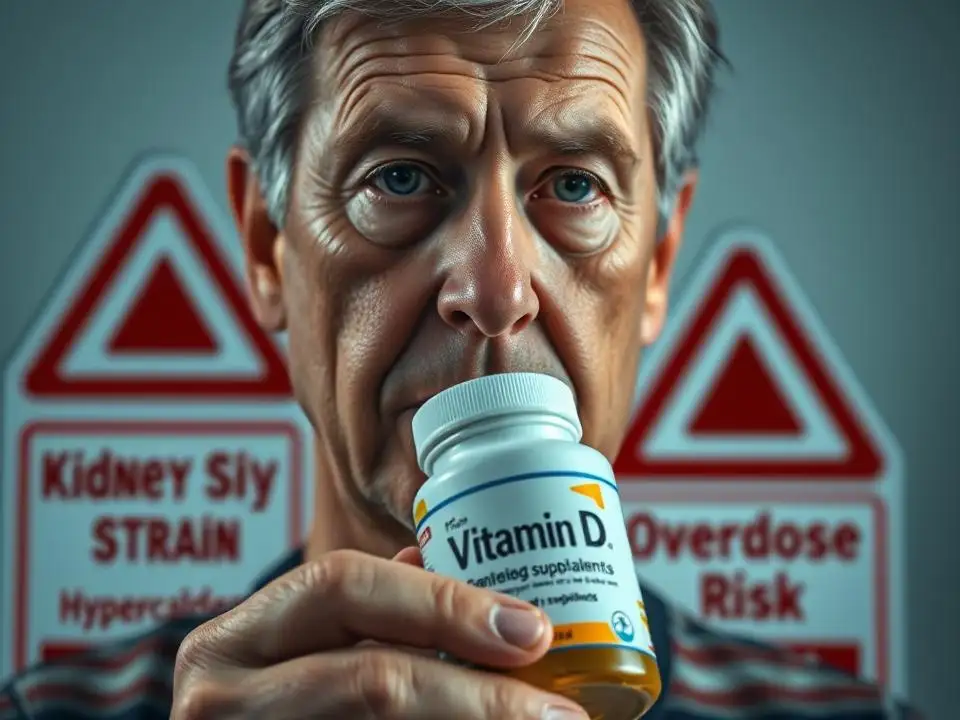
German consumers face a confusing market for vitamin D supplements as testing reveals widespread quality issues despite soaring demand driven by seasonal deficiency risks and self-medication hopes.
Only six of 23 vitamin D preparations tested by consumer magazine Öko-Test received a recommendation, with just one of four evaluated drop formulations rated „good.“ The Hübner Vitamin-D3-Tropfen emerged as the top performer, scoring „very good“ for ingredients and suitability for vegetarians, though not vegans due to lanolin-derived vitamin D3.
She advises supplementation primarily for those with limited sun exposure — such as winter months or indoor lifestyles — or patients on medications like antiepileptics, cortisone, or cancer drugs that interfere with vitamin D metabolism, noting that dietary sources like fatty fish remain important.
<!– /wp:paragraph> wp:heading>Body’s natural production depends on specific sun exposure habits
/wp:heading> wp:paragraph>Lucas explains that unprotected exposure of face, arms, hands, and legs to sunlight for five to 30 minutes at least twice weekly enables sufficient endogenous vitamin D synthesis, a process hindered but not fully blocked by sunscreen due to inconsistent real-world application.
/wp:paragraph> wp:paragraph>The vitamin’s nickname „sonnenhormon“ reflects this skin-based production, which declines significantly in German winters when UV radiation lacks sufficient intensity, making seasonal supplementation a practical necessity for many.
/wp:paragraph> wp:html –>Testing reveals systemic quality gaps across supplement categories
/wp:heading> wp:paragraph>Öko-Test’s evaluation of 23 products — 14 supplements and nine medicines — found that while two vitamin D tablets (Dekristol and Hevert 1,000 I.E.) earned „very good“ ratings, no comparable excellence emerged among drops, where only the Hübner formulation achieved „good“ status.
/wp:paragraph> wp:paragraph>The magazine stresses that supplements, classified as food, cannot claim medical effects, unlike medicines designed to treat existing deficiencies, though both categories showed variability in performance that complicates consumer choices.
/wp:paragraph> wp:heading>Risk-benefit balance remains uncertain for broad preventive use
/wp:heading> wp:paragraph>While Öko-Test acknowledges that at-risk individuals may benefit from supplementation even without medical confirmation of deficiency, the prevailing trend of self-directed use — often without testing — increases the likelihood of inappropriate dosing based on unverified health hopes.
/wp:paragraph> wp:heading>How much sun exposure is needed to maintain vitamin D levels naturally?
/wp:heading> wp:paragraph>Exposure of face, arms, hands, and legs to sunlight for five to 30 minutes at least twice weekly without sunscreen allows sufficient vitamin D synthesis in the skin, according to Dr. Ina Lucas.
/wp:heading> wp:paragraph>Which vitamin D supplement performed best in recent testing?
/wp:heading> wp:paragraph>The Hübner Vitamin-D3-Tropfen were the only drop formulation rated „good“ by Öko-Test, scoring „very good“ for ingredients and providing 800 I.E. Vitamin D3 per drop in coconut oil base.
/wp:paragraph> /wp:html –>Dr. Ina Lucas, Berlin-based pharmacist and chamber president, emphasizes that while vitamin D supports bone and muscle function, hopes for targeted effects against illnesses like depression often exceed scientific evidence, prompting her to clarify misconceptions during routine consultations.
She advises supplementation primarily for those with limited sun exposure — such as winter months or indoor lifestyles — or patients on medications like antiepileptics, cortisone, or cancer drugs that interfere with vitamin D metabolism, noting that dietary sources like fatty fish remain important.
<!– /wp:paragraph> wp:heading>Body’s natural production depends on specific sun exposure habits
/wp:heading> wp:paragraph>Lucas explains that unprotected exposure of face, arms, hands, and legs to sunlight for five to 30 minutes at least twice weekly enables sufficient endogenous vitamin D synthesis, a process hindered but not fully blocked by sunscreen due to inconsistent real-world application.

The vitamin’s nickname „sonnenhormon“ reflects this skin-based production, which declines significantly in German winters when UV radiation lacks sufficient intensity, making seasonal supplementation a practical necessity for many.
/wp:paragraph> wp:html –>Testing reveals systemic quality gaps across supplement categories
/wp:heading> wp:paragraph>Öko-Test’s evaluation of 23 products — 14 supplements and nine medicines — found that while two vitamin D tablets (Dekristol and Hevert 1,000 I.E.) earned „very good“ ratings, no comparable excellence emerged among drops, where only the Hübner formulation achieved „good“ status.
/wp:paragraph> wp:paragraph>The magazine stresses that supplements, classified as food, cannot claim medical effects, unlike medicines designed to treat existing deficiencies, though both categories showed variability in performance that complicates consumer choices.
/wp:paragraph> wp:heading>Risk-benefit balance remains uncertain for broad preventive use
/wp:heading> wp:paragraph>While Öko-Test acknowledges that at-risk individuals may benefit from supplementation even without medical confirmation of deficiency, the prevailing trend of self-directed use — often without testing — increases the likelihood of inappropriate dosing based on unverified health hopes.
/wp:paragraph> wp:heading>How much sun exposure is needed to maintain vitamin D levels naturally?
/wp:heading> wp:paragraph>Exposure of face, arms, hands, and legs to sunlight for five to 30 minutes at least twice weekly without sunscreen allows sufficient vitamin D synthesis in the skin, according to Dr. Ina Lucas.
/wp:heading> wp:paragraph>Which vitamin D supplement performed best in recent testing?
/wp:heading> wp:paragraph>The Hübner Vitamin-D3-Tropfen were the only drop formulation rated „good“ by Öko-Test, scoring „very good“ for ingredients and providing 800 I.E. Vitamin D3 per drop in coconut oil base.
/wp:paragraph> /wp:paragraph –>Apothekerin warns against unrealistic expectations for disease prevention
Dr. Ina Lucas, Berlin-based pharmacist and chamber president, emphasizes that while vitamin D supports bone and muscle function, hopes for targeted effects against illnesses like depression often exceed scientific evidence, prompting her to clarify misconceptions during routine consultations.
She advises supplementation primarily for those with limited sun exposure — such as winter months or indoor lifestyles — or patients on medications like antiepileptics, cortisone, or cancer drugs that interfere with vitamin D metabolism, noting that dietary sources like fatty fish remain important.
<!– /wp:paragraph> wp:heading>Body’s natural production depends on specific sun exposure habits
/wp:heading> wp:paragraph>Lucas explains that unprotected exposure of face, arms, hands, and legs to sunlight for five to 30 minutes at least twice weekly enables sufficient endogenous vitamin D synthesis, a process hindered but not fully blocked by sunscreen due to inconsistent real-world application.
/wp:paragraph> wp:paragraph>The vitamin’s nickname „sonnenhormon“ reflects this skin-based production, which declines significantly in German winters when UV radiation lacks sufficient intensity, making seasonal supplementation a practical necessity for many.
/wp:paragraph> wp:html –>Testing reveals systemic quality gaps across supplement categories
/wp:heading> wp:paragraph>Öko-Test’s evaluation of 23 products — 14 supplements and nine medicines — found that while two vitamin D tablets (Dekristol and Hevert 1,000 I.E.) earned „very good“ ratings, no comparable excellence emerged among drops, where only the Hübner formulation achieved „good“ status.
/wp:paragraph> wp:paragraph>The magazine stresses that supplements, classified as food, cannot claim medical effects, unlike medicines designed to treat existing deficiencies, though both categories showed variability in performance that complicates consumer choices.
Risk-benefit balance remains uncertain for broad preventive use
/wp:heading> wp:paragraph>While Öko-Test acknowledges that at-risk individuals may benefit from supplementation even without medical confirmation of deficiency, the prevailing trend of self-directed use — often without testing — increases the likelihood of inappropriate dosing based on unverified health hopes.
/wp:paragraph> wp:heading>How much sun exposure is needed to maintain vitamin D levels naturally?
/wp:heading> wp:paragraph>Exposure of face, arms, hands, and legs to sunlight for five to 30 minutes at least twice weekly without sunscreen allows sufficient vitamin D synthesis in the skin, according to Dr. Ina Lucas.
/wp:heading> wp:paragraph>Which vitamin D supplement performed best in recent testing?
/wp:heading> wp:paragraph>The Hübner Vitamin-D3-Tropfen were the only drop formulation rated „good“ by Öko-Test, scoring „very good“ for ingredients and providing 800 I.E. Vitamin D3 per drop in coconut oil base.
/wp:paragraph> /wp:paragraph –>Many products contained excessive daily dosages, raising concerns about unintended overconsumption, even as drops generally showed better bioavailability than tablets despite the limited selection of high-quality options.
Apothekerin warns against unrealistic expectations for disease prevention
Dr. Ina Lucas, Berlin-based pharmacist and chamber president, emphasizes that while vitamin D supports bone and muscle function, hopes for targeted effects against illnesses like depression often exceed scientific evidence, prompting her to clarify misconceptions during routine consultations.
She advises supplementation primarily for those with limited sun exposure — such as winter months or indoor lifestyles — or patients on medications like antiepileptics, cortisone, or cancer drugs that interfere with vitamin D metabolism, noting that dietary sources like fatty fish remain important.
<!– /wp:paragraph> wp:heading>Body’s natural production depends on specific sun exposure habits
/wp:heading> wp:paragraph>Lucas explains that unprotected exposure of face, arms, hands, and legs to sunlight for five to 30 minutes at least twice weekly enables sufficient endogenous vitamin D synthesis, a process hindered but not fully blocked by sunscreen due to inconsistent real-world application.
/wp:paragraph> wp:paragraph>The vitamin’s nickname „sonnenhormon“ reflects this skin-based production, which declines significantly in German winters when UV radiation lacks sufficient intensity, making seasonal supplementation a practical necessity for many.
/wp:paragraph> wp:html –>Testing reveals systemic quality gaps across supplement categories
/wp:heading> wp:paragraph>Öko-Test’s evaluation of 23 products — 14 supplements and nine medicines — found that while two vitamin D tablets (Dekristol and Hevert 1,000 I.E.) earned „very good“ ratings, no comparable excellence emerged among drops, where only the Hübner formulation achieved „good“ status.
/wp:paragraph> wp:paragraph>The magazine stresses that supplements, classified as food, cannot claim medical effects, unlike medicines designed to treat existing deficiencies, though both categories showed variability in performance that complicates consumer choices.
/wp:paragraph> wp:heading>Risk-benefit balance remains uncertain for broad preventive use
/wp:heading> wp:paragraph>While Öko-Test acknowledges that at-risk individuals may benefit from supplementation even without medical confirmation of deficiency, the prevailing trend of self-directed use — often without testing — increases the likelihood of inappropriate dosing based on unverified health hopes.
/wp:paragraph> wp:heading>How much sun exposure is needed to maintain vitamin D levels naturally?
/wp:heading> wp:paragraph>Exposure of face, arms, hands, and legs to sunlight for five to 30 minutes at least twice weekly without sunscreen allows sufficient vitamin D synthesis in the skin, according to Dr. Ina Lucas.
/wp:heading> wp:paragraph>Which vitamin D supplement performed best in recent testing?
/wp:heading> wp:paragraph>The Hübner Vitamin-D3-Tropfen were the only drop formulation rated „good“ by Öko-Test, scoring „very good“ for ingredients and providing 800 I.E. Vitamin D3 per drop in coconut oil base.
Many products contained excessive daily dosages, raising concerns about unintended overconsumption, even as drops generally showed better bioavailability than tablets despite the limited selection of high-quality options.
Apothekerin warns against unrealistic expectations for disease prevention
Dr. Ina Lucas, Berlin-based pharmacist and chamber president, emphasizes that while vitamin D supports bone and muscle function, hopes for targeted effects against illnesses like depression often exceed scientific evidence, prompting her to clarify misconceptions during routine consultations.
She advises supplementation primarily for those with limited sun exposure — such as winter months or indoor lifestyles — or patients on medications like antiepileptics, cortisone, or cancer drugs that interfere with vitamin D metabolism, noting that dietary sources like fatty fish remain important.
<!– /wp:paragraph> wp:heading>Body’s natural production depends on specific sun exposure habits
/wp:heading> wp:paragraph>Lucas explains that unprotected exposure of face, arms, hands, and legs to sunlight for five to 30 minutes at least twice weekly enables sufficient endogenous vitamin D synthesis, a process hindered but not fully blocked by sunscreen due to inconsistent real-world application.
/wp:paragraph> wp:paragraph>The vitamin’s nickname „sonnenhormon“ reflects this skin-based production, which declines significantly in German winters when UV radiation lacks sufficient intensity, making seasonal supplementation a practical necessity for many.
/wp:paragraph> wp:html –>Testing reveals systemic quality gaps across supplement categories
/wp:heading> wp:paragraph>Öko-Test’s evaluation of 23 products — 14 supplements and nine medicines — found that while two vitamin D tablets (Dekristol and Hevert 1,000 I.E.) earned „very good“ ratings, no comparable excellence emerged among drops, where only the Hübner formulation achieved „good“ status.
/wp:paragraph> wp:paragraph>The magazine stresses that supplements, classified as food, cannot claim medical effects, unlike medicines designed to treat existing deficiencies, though both categories showed variability in performance that complicates consumer choices.
/wp:paragraph> wp:heading>Risk-benefit balance remains uncertain for broad preventive use
/wp:heading> wp:paragraph>While Öko-Test acknowledges that at-risk individuals may benefit from supplementation even without medical confirmation of deficiency, the prevailing trend of self-directed use — often without testing — increases the likelihood of inappropriate dosing based on unverified health hopes.
/wp:paragraph> wp:heading>How much sun exposure is needed to maintain vitamin D levels naturally?
/wp:heading> wp:paragraph>Exposure of face, arms, hands, and legs to sunlight for five to 30 minutes at least twice weekly without sunscreen allows sufficient vitamin D synthesis in the skin, according to Dr. Ina Lucas.
/wp:heading> wp:paragraph>Which vitamin D supplement performed best in recent testing?
/wp:heading> wp:paragraph>The Hübner Vitamin-D3-Tropfen were the only drop formulation rated „good“ by Öko-Test, scoring „very good“ for ingredients and providing 800 I.E. Vitamin D3 per drop in coconut oil base.
/wp:paragraph> /wp:paragraph –>


