
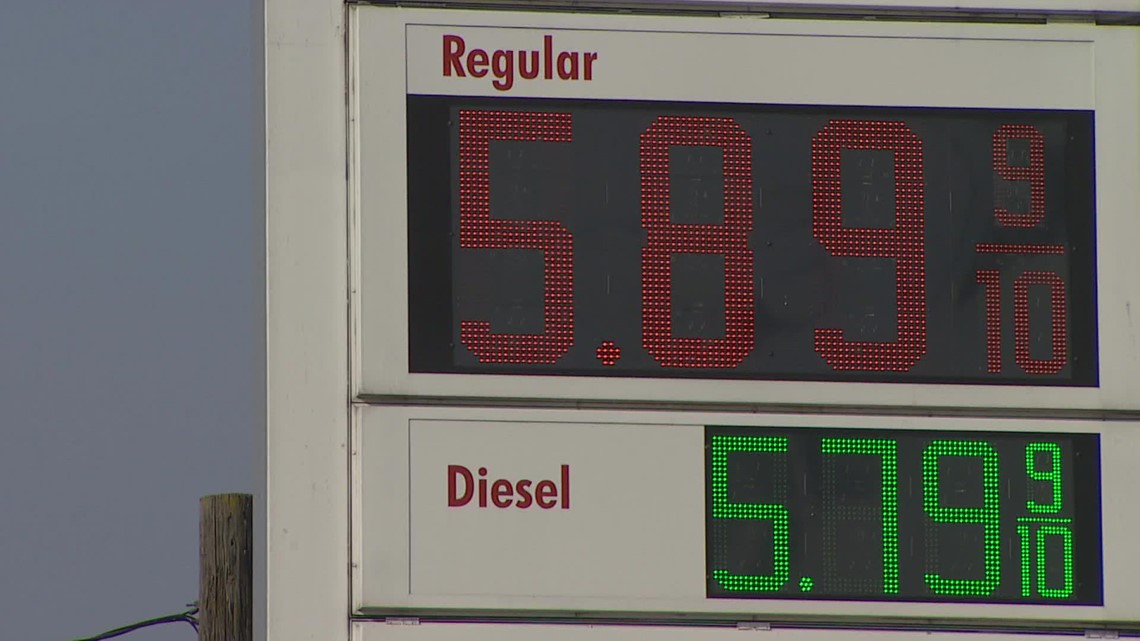
On Thursday, German fuel prices jumped by more than 13 cents per liter at noon, marking the largest single increase since the introduction of the once-daily price adjustment rule in April. Super E10 gasoline rose over 13 cents, while diesel surged nearly 15 cents — its second-largest jump ever under the system. The spike pushed diesel above €2.25 per liter and E10 close to €2.17, reversing a two-week decline and signaling what the ADAC calls a clear trend reversal. Prices had already been creeping up earlier in the week, with E10 edging up 0.4 cents on Wednesday and diesel barely shifting.
The timing of the increase is no accident. Since April 1, German stations have been allowed to raise prices only once per day — but can lower them as often as they like. This so-called Österreich-Modell was intended to bring transparency and competition, yet early data suggests the opposite: prices are creeping upward, and the midday jump has turn into a predictable, if painful, ritual for drivers. The ADAC now views the rule critically, arguing it has made refueling more expensive not less.
Meanwhile, the broader context points to rising global oil costs. Brent crude, the benchmark for European markets, has climbed back above $100 per barrel amid stalled diplomacy in the Middle East. Although the U.S. Extended its ceasefire with Iran, prospects for renewed talks in Pakistan remain uncertain, keeping supply concerns alive. Geopolitical tension, combined with tight refining margins, is feeding directly into pump prices — a reminder that local policy shifts don’t exist in a vacuum.
For more on this story, see German fuel prices resist drop despite falling oil costs.
That tension between relief and responsibility surfaced again in a University of Konstanz study, which found that adding just one remote workday per week for all eligible office workers could save Germany 32 million liters of fuel daily — roughly one-fifth of national consumption. With about nine million commuters driving an average of 48 kilometers each day, the potential savings are substantial. Study lead Florian Kunze noted the rare alignment: employees want more flexibility, society gains reduced emissions and congestion, and employers could observe lower overhead.
Yet the current pricing structure rewards neither efficiency nor timing discipline. While the ADAC still advises filling up just before noon to beat the daily increase, that window is narrowing as baseline prices creep higher. The irony is palpable: a rule designed to prevent wild swings may instead be normalizing them — turning a daily ritual into a financial calculation for millions.
This follows our earlier report, Iran blocks Strait of Hormuz amid U.S. port blockade, gas prices surge.
Why did fuel prices jump so sharply at noon on Thursday?
The increase resulted from the once-daily price adjustment rule introduced April 1, which allows stations to raise prices only at midday. On Thursday, the jump exceeded 13 cents for gasoline and nearly 15 cents for diesel — the largest such increase since the rule began — driven in part by rising Brent crude prices above $100 per barrel.

Could working from home really reduce Germany’s fuel use by a fifth?
According to researchers at the University of Konstanz, if the approximately nine million Germans who commute by car worked from home just one additional day per week, daily fuel consumption could drop by 32 million liters — about 20% of current usage — based on survey data from March and average daily driving distances of 48 kilometers.
Verwandte Artikel


