
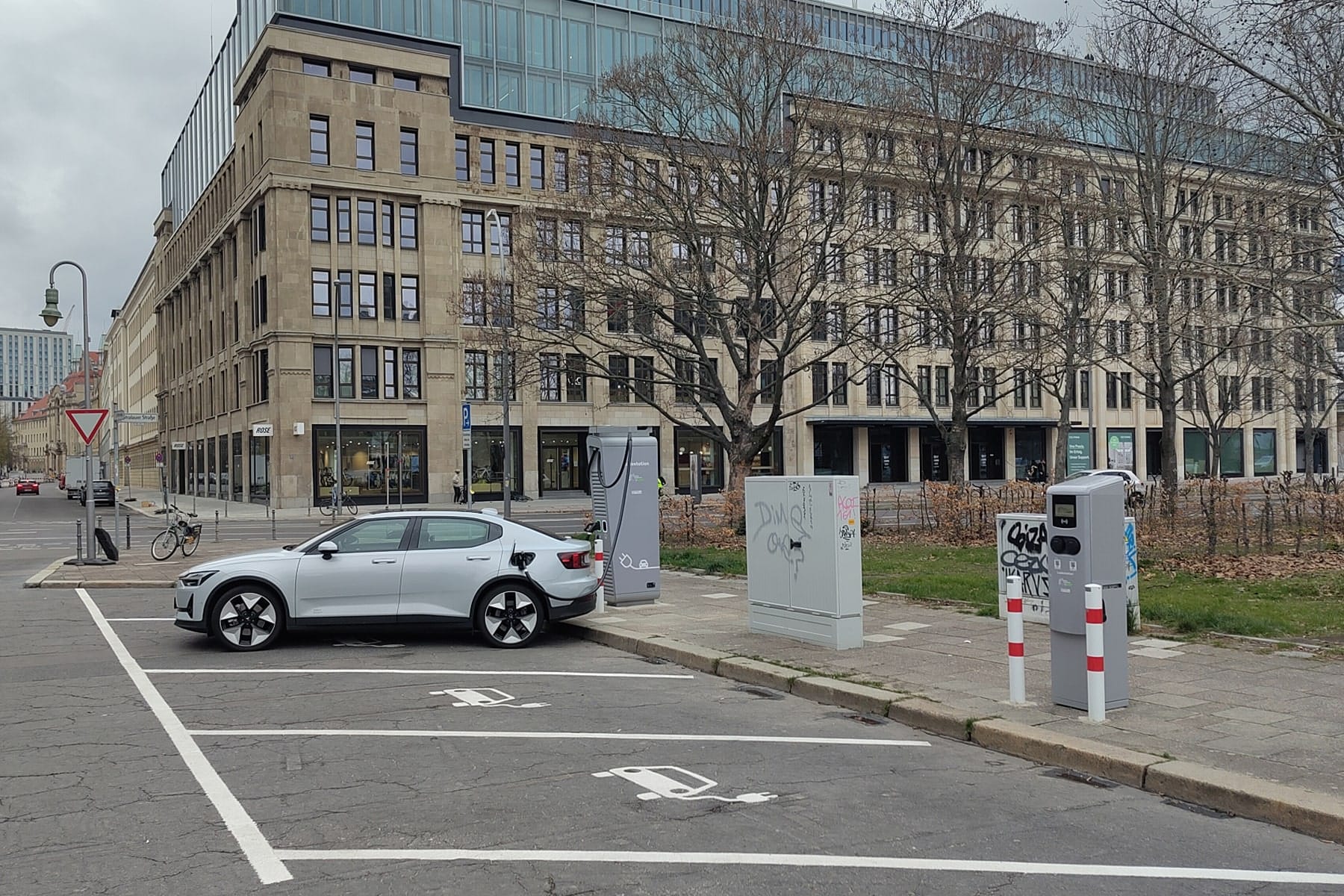
March saw 70,000 new electric vehicle registrations in Germany, a sharp climb from the 46,000 recorded in February. While the volume of new battery-electric vehicles (BEVs) is rising, car dealers warn that the current incentive structure fails the people who need it most. Burkhard Weller of the Association of Automobile Dealers (VAH) argues that government subsidies are largely bypassing low-income earners, who remain priced out of the transition despite the availability of state premiums.
Subsidies aren’t reaching low-income buyers
Current state premiums offer up to 6,000 euros depending on income, but this doesn’t bridge the fundamental price gap between combustion engines and electric alternatives. The entry cost for an electric vehicle often remains prohibitively high for the average worker. An Opel Corsa with a combustion engine starts at 22,890 euros, while the electric version begins at 29,990 euros.
This seven-thousand-euro difference means that even with a maximum premium, the upfront cost of an EV is higher than its petrol equivalent. Experts disagree on whether „price parity“ is achievable without these subsidies. Some argue it’s already reached when factoring in lower running costs, while others claim a true cost parity is nowhere in sight without government intervention.
European manufacturers dominate the registration surge
European production accounts for roughly 77 percent of new BEV registrations in Germany. This dominance is driven largely by German groups, Renault, and Stellantis. Renault’s current E-Tech lineup ranges from the Twingo at 19,990 euros to the Master van at 45,790 euros, positioning various entry points for the market.
The surge in registrations suggests a growing appetite for these models, provided the buyer can afford the initial investment. Many current models now offer a range of 400 kilometers, with some high-conclude versions exceeding 800 kilometers. However, actual range remains volatile, as temperature and heating systems significantly reduce efficiency during winter months.
Stellantis faces a contradiction between sales growth and strategic retreats
Stellantis reported a strong first quarter in Germany, selling 87,000 cars through March, a 26 percent increase over the previous year. The group’s BEV sales nearly tripled compared to the first quarter of 2025, pushing its electric market share to 12.3 percent. Opel specifically saw a 39 percent jump in sales, moving 33,600 units.
These numbers mask a deeper internal crisis. The conglomerate is simultaneously writing off billions of euros and scaling back its electric offensive. The company is shifting focus back toward combustion engines and hybrids while scrapping several planned electric models. Critics point to the Opel Frontera E as a primary example of failure, citing poor range, weak drive power, and inadequate charging performance compared to competitors like Hyundai, Kia, and VW.
To fix these technical shortcomings, Stellantis is considering the adoption of Chinese electric technology through its joint venture with Leapmotor. This pivot suggests that the group’s internal innovation speed hasn’t kept pace with the market, forcing a reliance on external partnerships to remain competitive in Europe.
Infrastructure gaps and charging costs keep buyers hesitant
High fuel prices are driving interest in EVs, but the reality of charging remains a deterrent. While home wallboxes offer the cheapest experience, those relying on public infrastructure face significant price swings. AC columns are generally affordable, but DC speedy chargers can cost between 55 and 85 cents per kWh.
Charging speeds have improved, with current vehicles supporting 200 kW to 400 kW. Despite this, the risk of „blocking fees“ and the scarcity of reliable fast chargers in certain regions create a psychological barrier. Buyers often hesitate due to the fact that they fear purchasing a model that will be obsolete or impractical for their specific daily mileage and charging access.
Are EVs actually cheaper to own?
While the purchase price is typically higher, running costs are often significantly lower if the owner can charge at home or through an employer. However, for those relying solely on public DC fast chargers, the cost gap narrows.
How much is the government paying for new EVs?
Depending on the buyer’s income level, premiums of up to 6,000 euros are currently available for the purchase or leasing of new electric vehicles or plug-in hybrids.
Why is Stellantis cutting E-models despite rising sales?
The company is struggling with product quality and innovation speed, leading to billions in write-offs. Some of their models, like the Frontera E, haven’t met competitive standards for range and power, prompting a strategic shift back toward hybrids and combustion engines.
Auch interessant


