
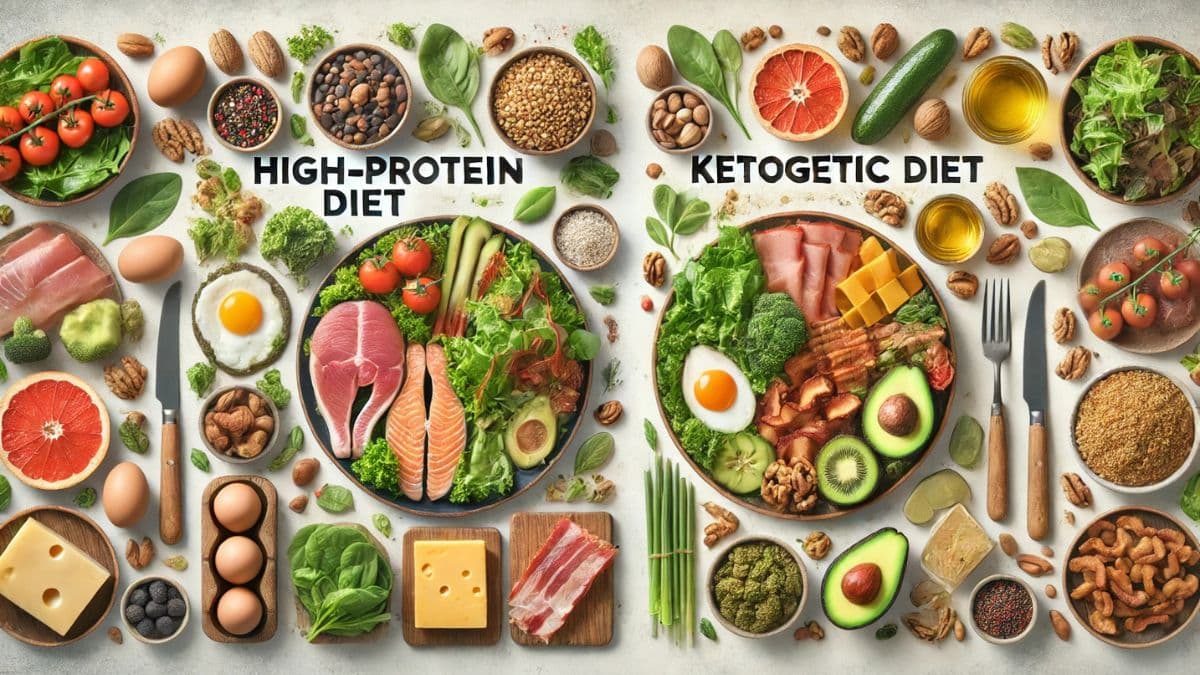
High protein intake within ketogenic diets can trigger fat metabolism disorders, according to experts cited by *Welt*. This metabolic shift occurs when an imbalance of macronutrients disrupts the body’s ability to efficiently process fats for energy.
The liver converts fatty acids into ketone bodies—specifically acetoacetate, 3-hydroxybutyrate, and acetone—when carbohydrate intake drops below 50 grams per day for adults. These ketones replace glucose as the primary energy source for the brain and muscles, crossing the blood-brain barrier to maintain cognitive function.
How excessive protein disrupts the metabolic state
Experts warn that eating too much protein can push the body out of the desired ketogenic state. The body uses glukoneogenesis to convert amino acids from proteins into glucose, which can counteract the fat-burning mechanism of ketosis.
This imbalance doesn’t just stall weight loss; it can lead to systemic metabolic damage. When the diet isn’t strictly balanced, the body’s internal chemistry shifts in ways that may cause the aforementioned fat metabolism disorders.
Medical applications differ from weight-loss trends
Doctors prescribe the ketogenic diet as a therapeutic tool for specific conditions, including pharmaco-resistant epilepsy, pyruvate dehydrogenase deficiency, and GLUT1 deficiency syndrome. These clinical applications require precise calculations and constant medical supervision to ensure safety.
Many healthy individuals adopt similar patterns for weight loss without professional guidance. These non-medical practitioners often miss the critical protein-to-fat ratios required to avoid metabolic strain, increasing their risk of side effects.
Under clinical observation, organ stress increases
Research on mice indicates that extremely high-fat diets can increase lipid levels in the blood and place significant stress on the liver. While these animals showed lower overall weight gain than those on typical western high-fat diets, their body composition worsened.
The study found that the remaining weight in keto-fed mice consisted proportionally more of fat mass and less of muscle mass. This suggests the diet may reduce the number on the scale while simultaneously deteriorating muscle health and taxing internal organs.
What is ketosis?
Ketosis is a metabolic state where the concentration of acidic ketone bodies in the blood and extracellular space rises above normal levels, allowing them to replace glucose as the body’s primary energy source.
Who should use a ketogenic diet for medical reasons?
The diet is used therapeutically for children with pharmaco-resistant epilepsy, glucose transporter disorders like GLUT1 deficiency syndrome, and pyruvate dehydrogenase deficiency.
Auch interessant


