
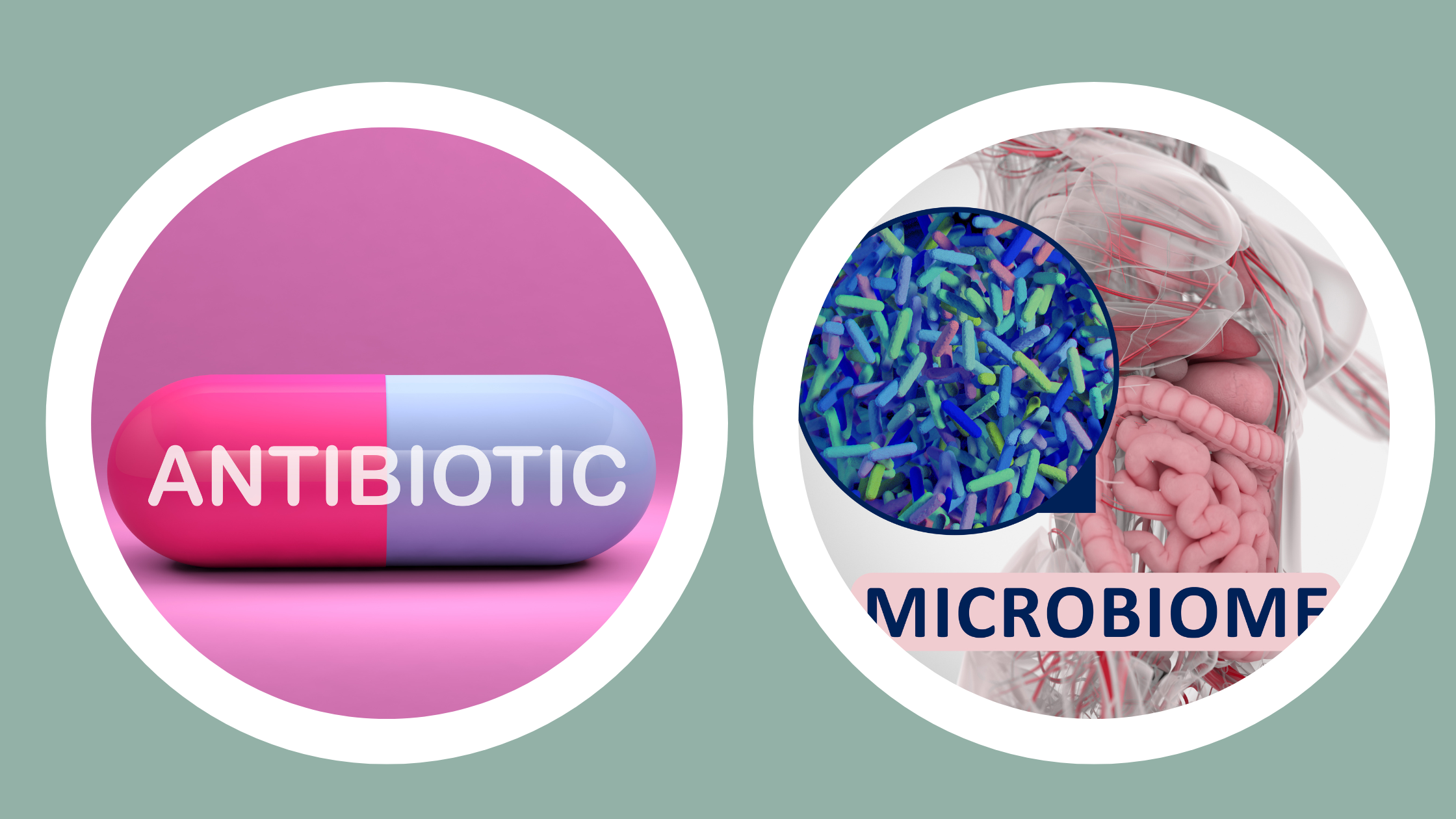
Antibiotic use can leave detectable changes in the gut microbiome for up to eight years, according to a new Swedish study.
Researchers tracked antibiotic use and gut bacteria in nearly 15,000 adults over eight years
The study from Uppsala University analyzed data from 14,979 adults in Sweden, combining prescription records with stool sample analyses to measure long-term effects on gut bacteria diversity. Researchers examined eleven classes of antibiotics and found that six showed a clear link between recent use and reduced microbial diversity. The strongest effects appeared within the first year after treatment, but even use four to eight years prior remained associated with measurable shifts in microbiome composition.
Microbiome diversity did not fully recover even after years without antibiotics
While the gut microbiome showed some recovery shortly after antibiotic treatment, it did not return to its original state, according to the researchers. Each additional antibiotic course was linked to a further decline in bacterial variety, a key marker of gut health. The impact varied by drug type, with penicillin V causing only minor and short-term changes, while tetracyclines — commonly used for respiratory and urinary tract infections — were associated with more pronounced and persistent shifts in microbial communities.
rsity. The strongest effects appeared within the first year after treatment, but even use four to eight years prior remained associated with measurable shifts in microbiome composition. Microbiome diversity did not fully recover even after years without antibiotics While the gut microbiome showed some recovery shortly after antibiotic treatment, it did not return to its original state, according to the researchers. Each additional antibiotic course was linked to a further decline in bacterial variety, a key marker of gut health. The impact varied by drug type, with penicillin V causing only minor and short-term changes, while tetracyclines — commonly used for respiratory and urinary tract infections — were associated with more pronounced and persistent shifts in microbial communities. Lead author says even a single course can leave lasting traces Gabriel Baldanzi, the study’s first author, stated in a university press release that antibiotic use from four to eight years ago correlates with the current composition of an individual’s gut microbiome. He emphasized that even a single treatment with certain antibiotics can leave detectable traces in the gut ecosystem years later. Why does microbiome diversity matter for health?“ title=“Eight Years Gabriel Baldanzi“ style=“max-width:100%;height:auto;border-radius:4px;“ loading=“lazy“ />
Lead author says even a single course can leave lasting traces
Gabriel Baldanzi, the study’s first author, stated in a university press release that antibiotic use from four to eight years ago correlates with the current composition of an individual’s gut microbiome. He emphasized that even a single treatment with certain antibiotics can leave detectable traces in the gut ecosystem years later.
Why does microbiome diversity matter for health?
A diverse gut microbiome is linked to better digestion, metabolism, and immune function, while reduced diversity has been associated with conditions like inflammatory bowel disease, obesity, and increased infection risk.
Which antibiotics showed the strongest long-term effects?
Tetracyclines, used for respiratory and urinary tract infections, were linked to more pronounced and persistent changes in the gut microbiome compared to penicillin V, which caused only minor and short-term shifts.
Weiterlesen


