
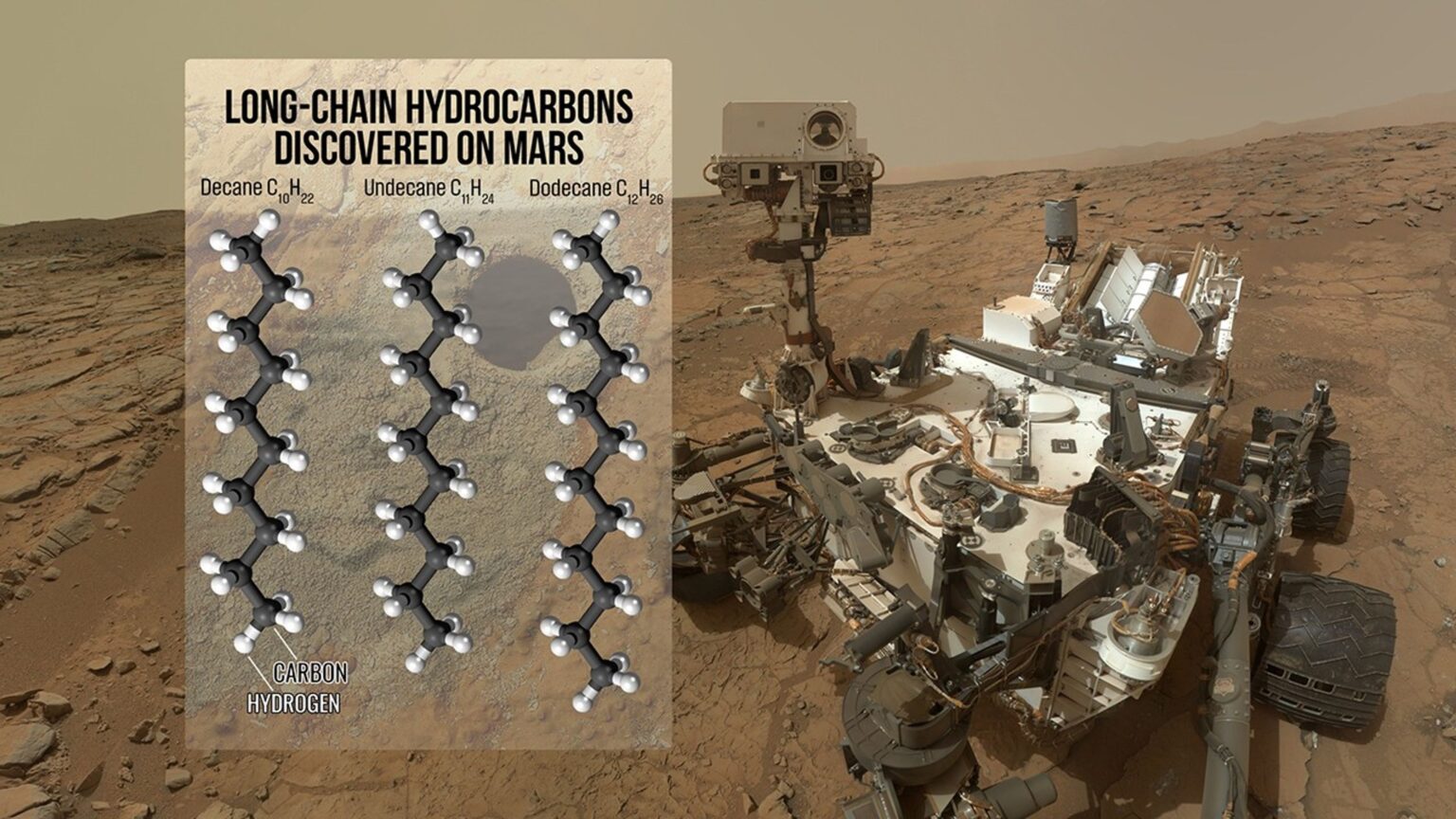
NASA’s Curiosity rover detected over 20 organic molecules on Mars, including a nitrogen-containing compound resembling DNA precursors, using its SAM instrument in a limited experiment conducted six years ago.
The discovery was made in the Glen Torridon region using a chemical derivatization method
The findings relied on tetramethylammonium hydroxide (TMAH) to break down larger organic molecules for analysis by the Sample Analysis at Mars (SAM) suite. Because the TMAH supply allows only two such experiments, researchers selected Glen Torridon as the optimal site based on prior geological interest. The experiment was performed six years prior to the public announcement, with results now published in Nature Communications.
Scientists emphasize the compounds could have biological, geological, or extraterrestrial origins
The research team, led by geologist Amy Williams of the University of Florida, stated the detected organics—including benzothiophene, a sulfur-containing double-ring molecule often delivered by meteorites—have remained preserved on Mars for approximately 3.5 billion years. However, SAM cannot distinguish between molecules formed by biological processes, abiotic geology, or delivery via meteorites. This limitation means the origin of the compounds remains undetermined without further analysis.

Definitive answers require returning samples to Earth-based laboratories
Researchers argue that only terrestrial labs with advanced instrumentation can conclusively determine whether the organic traces indicate past life. The current Mars-based experiments are constrained by consumable limits and analytical capabilities. A separate SAM detection of long-chain fatty acid remnants, reported roughly a year prior, similarly suggests advanced prebiotic chemistry but does not confirm biological activity.
Why can’t Curiosity determine if the molecules came from life?
The SAM instrument lacks the capability to distinguish between organics produced by biological processes, geological reactions, or meteoritic delivery, as stated by the research team.
How many times can Curiosity perform this type of experiment?
The TMAH-derived chemical derivatization experiment using SAM can only be conducted twice due to limited consumable resources onboard the rover.
Verwandte Artikel


