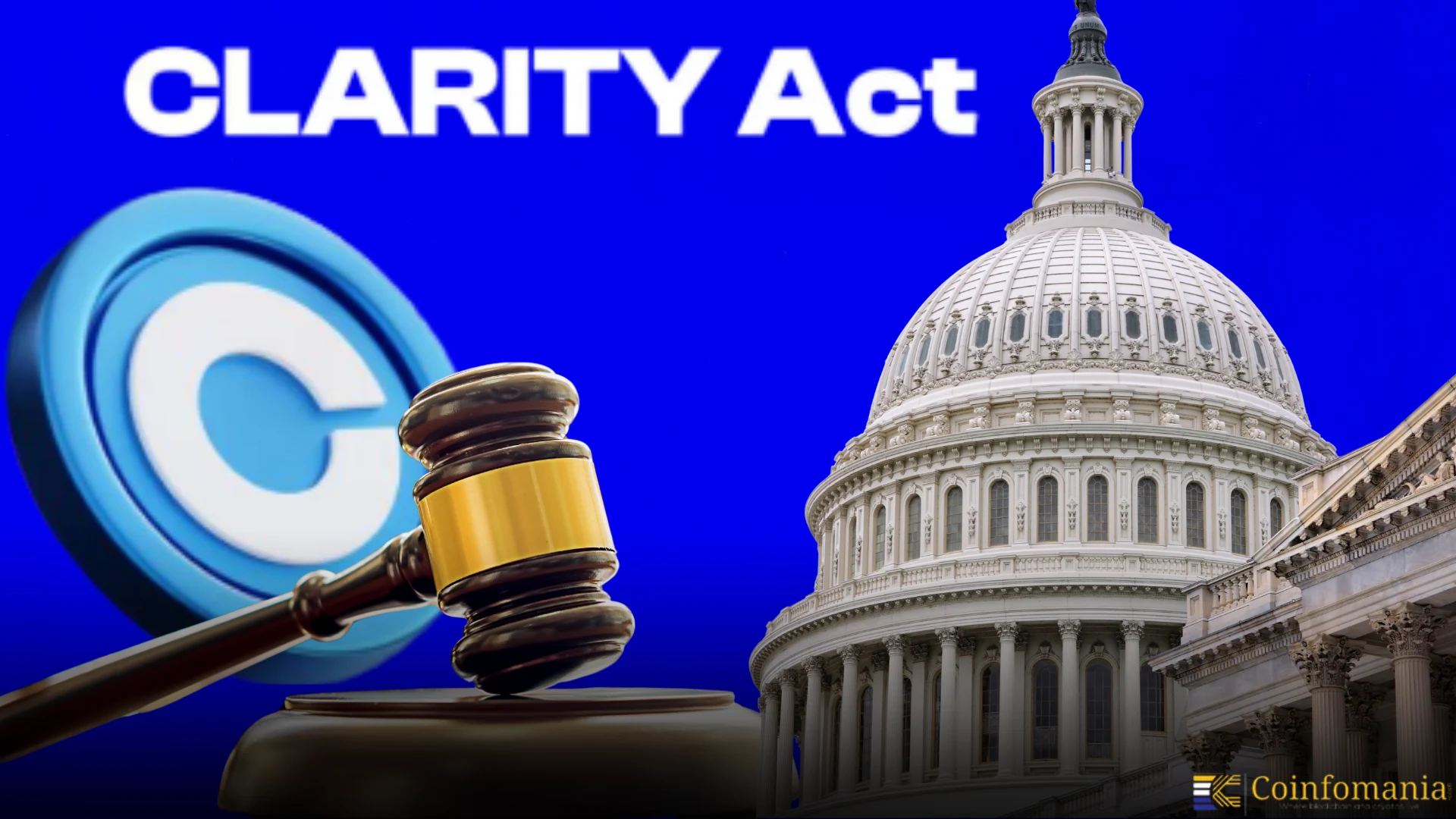
The U.S. Senate’s delayed Clarity Act draft will prohibit interest payments on idle stablecoin holdings, targeting platforms like Coinbase that currently offer yields for simply holding digital dollars.
How banks are pushing to block stablecoin yields
U.S. Banks fear losing deposits if stablecoins offer attractive returns, potentially draining liquidity from traditional accounts and threatening their core business model, according to industry sources cited in the report.
Why Coinbase opposes the proposed restriction
Coinbase argues that banning yields on passive stablecoin holdings would stifle innovation in the U.S. Crypto sector, especially after last year’s GENIUS Act already barred issuers from paying interest, leaving third-party platforms in a regulatory gray zone now slated for closure.
What the legislative delay means for the Clarity Act
Senator Thom Tillis postponed the draft’s release to next week amid behind-the-scenes negotiations over a single detail that could determine billions in potential returns, with White House talks so far failing to produce a compromise between bank safety demands and crypto growth goals.
How the Clarity Act could reshape stablecoin utilize in the U.S.
If enacted as currently drafted, the law would conclude the era where stablecoins functioned as simple savings-account substitutes, forcing platforms to tie yields only to active uses like transactions or risk losing appeal to investors seeking passive income.
What is the Clarity Act trying to regulate?
The Clarity Act seeks to define whether investors can earn rewards for merely holding stablecoins, aiming to close a loophole that allows third-party platforms to offer yields while issuers are already barred from doing so under the GENIUS Act.
Who stands to gain or lose from the proposed stablecoin yield ban?
<!– wp:paragraph /> U.S. Banks could retain more deposits by reducing competition from interest-bearing stablecoins, while crypto platforms like Coinbase may witness reduced user engagement if holding digital dollars no longer generates returns, potentially slowing adoption of blockchain-based financial tools. /wp:paragraph –>Verwandte Artikel