
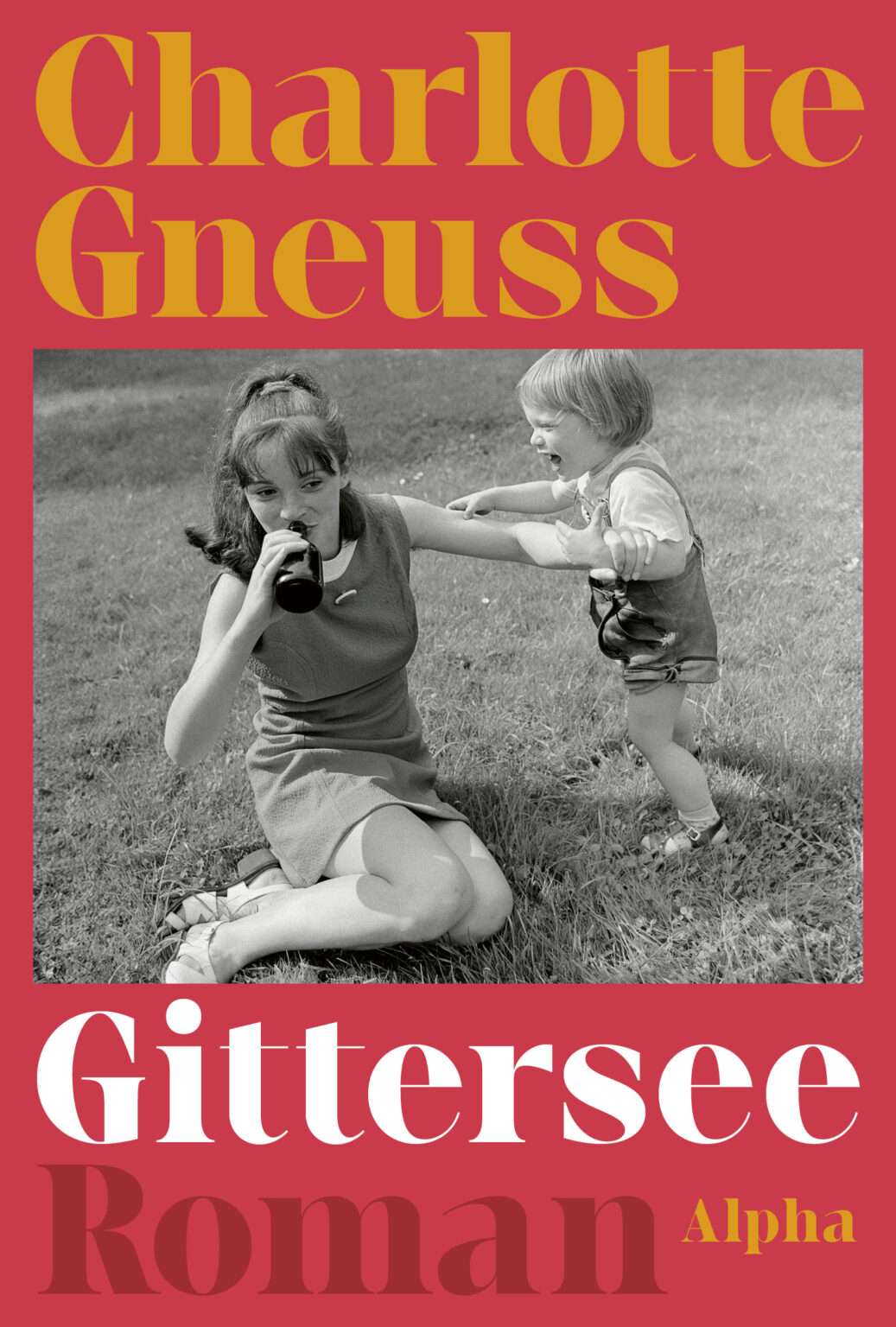
Charlotte Gneuß still defends her debut novel „Gittersee“ at every public appearance, three years after its release sparked a controversy involving two established East German writers.
The August 2023 novel, set in 1970s Dresden, drew criticism from Ingo Schulze, who compiled a list of over 20 alleged historical inaccuracies and shared it privately with friends, including fellow author Frank Witzel.
Schulze initially denied authorizing the list’s transmission to the German Book Prize jury, but a Deutschlandfunk investigation revealed he had consented to Witzel forwarding twelve points to jury chair Katharina Teutsch, with whom he was personally acquainted.
Witzel, a 2015 German Book Prize winner, said he contacted the jury out of friendship, aiming to ensure they were not „left standing unaware“ of the criticisms during the longlist deliberations.
The list included contested claims such as the use of the word „lecker“ in the DDR — which Gneuß countered by citing the popular treat „Leckermäulchen“ — and the assertion that swimming in the Elbe was impossible, which she attributed to parental memory.
Another point concerned the term „Plastik,“ which Schulze claimed was not used in the East. Gneuß defended her usage, while literary scholar Magda Birkmann noted Christa Wolf had written „Plastikbeutel“ as early as 1980.
Gneuß has since described the episode as a „Realsatire,“ reflecting on how literary feuds often devolve into public spectacles of blame rather than substantive discussion.
The controversy resurfaced in April 2026 when Deutschlandfunk reenacted the events in a radio feature, prompting Schulze and Witzel to express regret over their actions.
Observers note the incident exemplifies how quickly literary disputes can escalate in tightly knit cultural circles, where personal relationships influence professional judgments.
Despite the scrutiny, Gneuß has develop into one of Germany’s most in-demand authors, with her work continuing to invite debate over the boundaries of historical fiction and authorial responsibility.
How the Mängelliste moved from private critique to jury notification
Schulze gathered the criticisms among trusted peers, a common practice among writers testing factual claims, before Witzel decided to alert the jury chair directly, believing transparency would serve the prize’s integrity.
Why Schulze and Witzel now regret their involvement
Both authors have acknowledged that their intervention, although well-intentioned, contributed to a prolonged public burden on Gneuß, who must repeatedly defend her debut against claims now widely seen as overstated or misinformed.
What the controversy reveals about literary prize culture
The case underscores how informal networks among established authors can unintentionally skew perceptions of emerging work, especially when historical memory becomes a point of contention in fiction set in recent history.
Did the Mängelliste affect Charlotte Gneuß’s chances of winning the German Book Prize?
The sources do not confirm whether the list altered the jury’s final decision, only that it was submitted during the longlist stage and later became part of a broader public debate about the novel’s authenticity.
How has Charlotte Gneuß responded to the ongoing criticism of her novel?
She continues to address the criticisms at readings and interviews, framing them as misunderstandings of DDR life and describing the situation as a satirical reflection on literary culture’s tendency to turn disputes into performative conflicts.
Weiterlesen


