
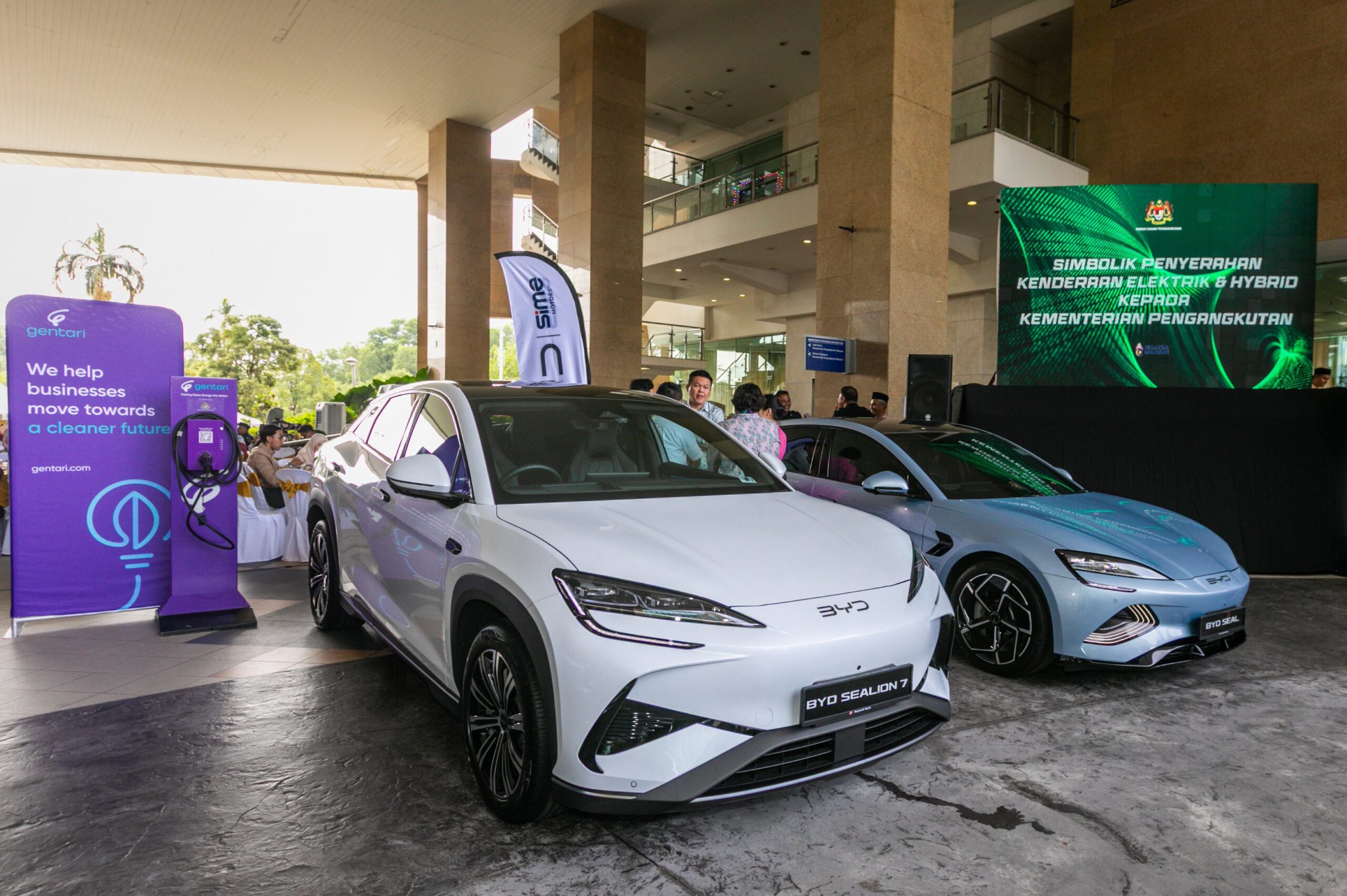
Stella Li, vice president of Chinese electric vehicle maker BYD, called the EU’s proposed local-content rule for subsidies a „right crazy regulation“ in an interview with Spiegel published April 25, 2026.
The rule, part of the EU’s Industrial Accelerator Act unveiled in March, would require electric, hybrid and hydrogen vehicles to be assembled in the EU and source at least 70 percent of their components by value from EU manufacturers to qualify for state purchase incentives.
Li acknowledged the rule would be tough to implement and could harm many companies but expressed confidence BYD could meet the requirements if competitors could, noting the firm is expanding European production with a plant under construction in Hungary and another planned in Turkey.
BYD aims to produce all Europe-bound electric vehicles locally by 2028, though it remains uncertain whether this timeline will satisfy the 70 percent threshold.
The EU says the measure protects its industry from subsidized Chinese competition, citing investigations into potential state support for firms like BYD and SAIC Motor, which have gained market share in Europe with lower-priced models.
European automakers including Volkswagen and Stellantis have publicly backed the localization requirements, although critics warn of higher costs, supply chain complexity and possible retaliatory measures from other countries.
Japan’s government plans to raise the issue at a ministerial meeting in May, arguing the rules disadvantage Japanese manufacturers who produce electric vehicles for Europe outside the EU, typically in Japan or other Asian nations.
Tokyo does not oppose electric vehicle subsidies in principle but objects to linking them to production location, calling it a distortion of fair competition and requesting equal treatment for Japanese and British vehicles given post-Brexit trade dynamics.
Japan views the EU as a critical export market and any restriction on eligibility for purchase incentives could directly affect sales volumes and market share for its automotive brands.
The EU proposal remains subject to approval by member states and the European Parliament and is not yet final law.
How might BYD’s expansion in Hungary and Turkey affect its ability to meet the EU’s local-content rule?
BYD’s ongoing European production expansion, including the Hungary plant under construction and the planned Turkey site, aims to localize manufacturing for Europe-bound vehicles by 2028, which Stella Li suggests could enable compliance if competitors achieve it, though the sources do not confirm whether this timeline or scope will satisfy the 70 percent component threshold.

Why does Japan object to the EU’s local-content requirement for electric vehicle subsidies?
Japan argues the rule disadvantages its manufacturers, who produce electric vehicles for the European market outside the EU, potentially excluding their models from purchase incentives and distorting fair competition by tying subsidies to production location rather than supporting electric vehicle adoption neutrally.
Auch interessant


