
The Samstag-Effekt: Why timing matters more than the price
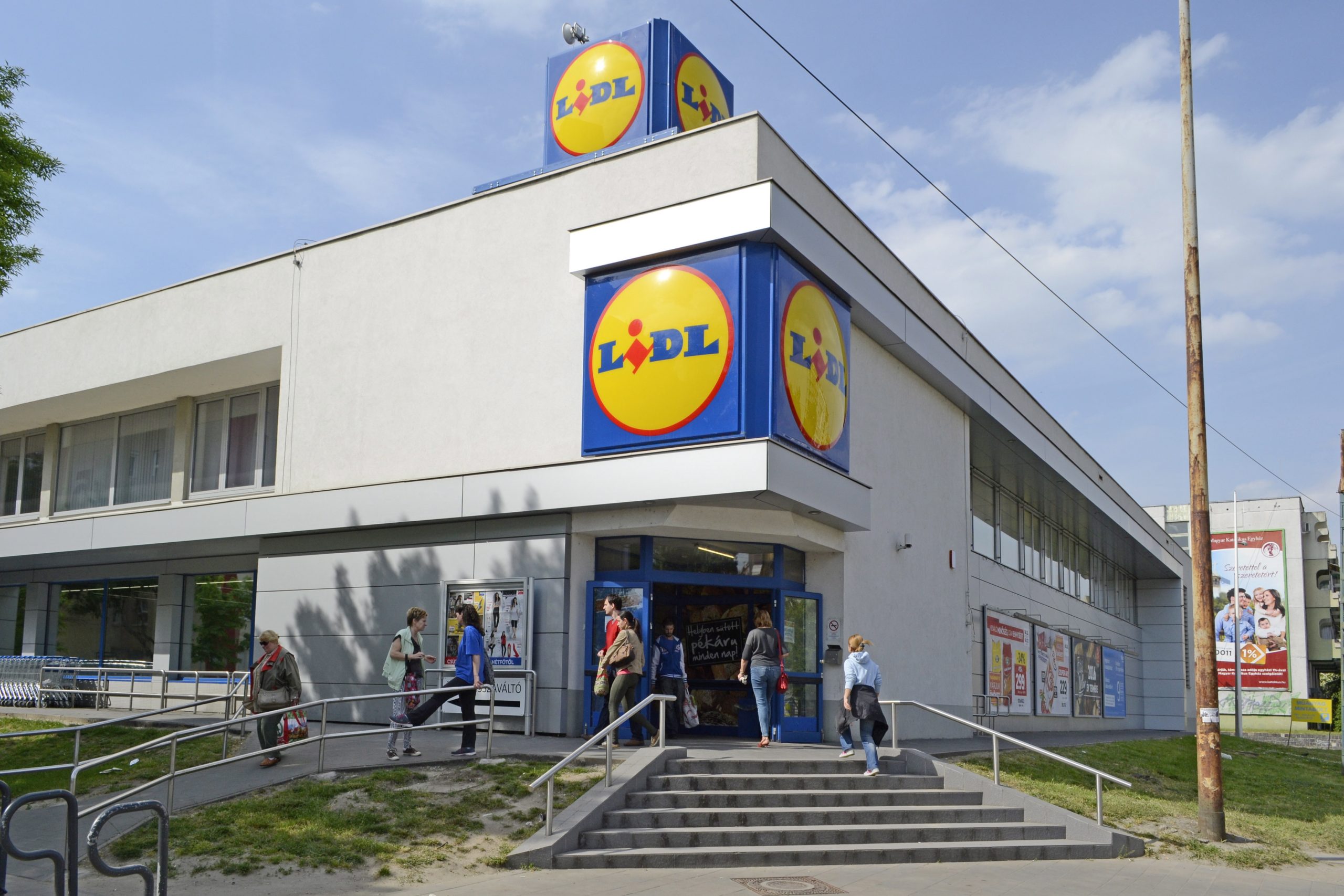
Aldi and Lidl’s decision to adjust prices on a Saturday was no coincidence. Retailers have historically used weekends to introduce changes, calculating that competitors would need time to react. This time, however, the approach had limited success, as both discounters acted simultaneously. The result was a rapid response from rivals like Norma, Netto, and Edeka, turning what might have been a strategic advantage into a coordinated market shift.
The specific price point set by the discounters carried less significance than the broader message it conveyed. Butter serves as what the industry calls a “Signalartikel”—a product whose price consumers notice and use as a reference. When Lidl chose to undercut Aldi’s planned reduction, it prompted a last-minute adjustment, signaling that neither chain would allow the other to claim the lower price, even by a small margin.
This pattern isn’t new. Recent years have seen notable fluctuations in butter prices, influenced by factors beyond just milk production costs. These changes reflect efforts to shape how shoppers perceive inflation and encourage store visits. While the shifts may appear tied to supply and demand, they also play a role in reinforcing the discounters’ market position.
Butter as a psychological anchor: How recent price changes reset expectations
Most consumers don’t track the price of every grocery item, but butter stands out. As experts from the Hamburg Consumer Advice Center have noted, shoppers use key staples like butter to gauge overall pricing in a store. When butter prices drop, consumers often assume the rest of the store is becoming more affordable, even if other products remain unchanged.
This perception is particularly important in a market where Aldi and Lidl hold a meaningful share of grocery sales. By lowering butter prices, they don’t just increase sales of that product—they reinforce their reputation as the most cost-effective option. Reports indicate that butter is increasingly used as a “Lockangebot,” or loss leader, to attract customers. The strategy is effective because butter is a universal purchase, and its price is easy to compare across different chains.
However, the approach has drawbacks. Frequent price swings can create frustration among consumers, who see costs rise and fall within short periods. It also puts pressure on dairy farmers, as producing butter requires significant milk volumes. When prices dip too low, smaller farms may struggle to cover their costs. Recent data from the Federal Statistical Office showed a decline in agricultural producer prices, which particularly affects milk producers.
The ripple effect: How Aldi and Lidl shape the market
When Aldi and Lidl act in unison, competitors have little choice but to respond. Norma was among the first to match the price reduction, followed by Netto and Edeka. This domino effect illustrates how the two discounters set the pace for the entire sector. Their influence extends beyond market share—they define what consumers expect to pay for key products.
Industry observers describe the dynamic as one where Aldi and Lidl place rivals under pressure. Competitors aren’t merely reacting to a price cut; they’re responding to the discounters’ ability to control the terms of competition. Even temporary price reductions force other chains to adjust their strategies or risk losing customers.
Yet the strategy isn’t without risks. The same reports note that the weekend timing had limited impact this time because both discounters moved simultaneously. Without the element of surprise, competitors could react immediately, reducing the discounters’ usual advantage. This suggests that even well-planned moves can have unintended consequences in a tightly synchronized market like Germany’s grocery sector.
What’s next: The limits of the butter strategy
The current price adjustment won’t remain in place indefinitely. Butter prices are closely tied to global milk markets, which continue to experience volatility. Officials have highlighted unusually strong fluctuations, and recent producer price data shows how quickly costs can shift. If milk prices rise again, Aldi and Lidl will face a decision: absorb the higher costs or pass them on to consumers.
For now, the recent price change serves as a statement, signaling that the discounters maintain control over pricing trends. It also underscores broader tensions in the sector. While consumers benefit from lower prices in the short term, the volatility complicates long-term planning. Farmers face pressure to produce more for less, and smaller retailers struggle to keep up with the discounters’ pricing power.
One thing remains clear: the next round of price adjustments is likely not far off, and butter will probably play a central role once again.
Auch interessant


