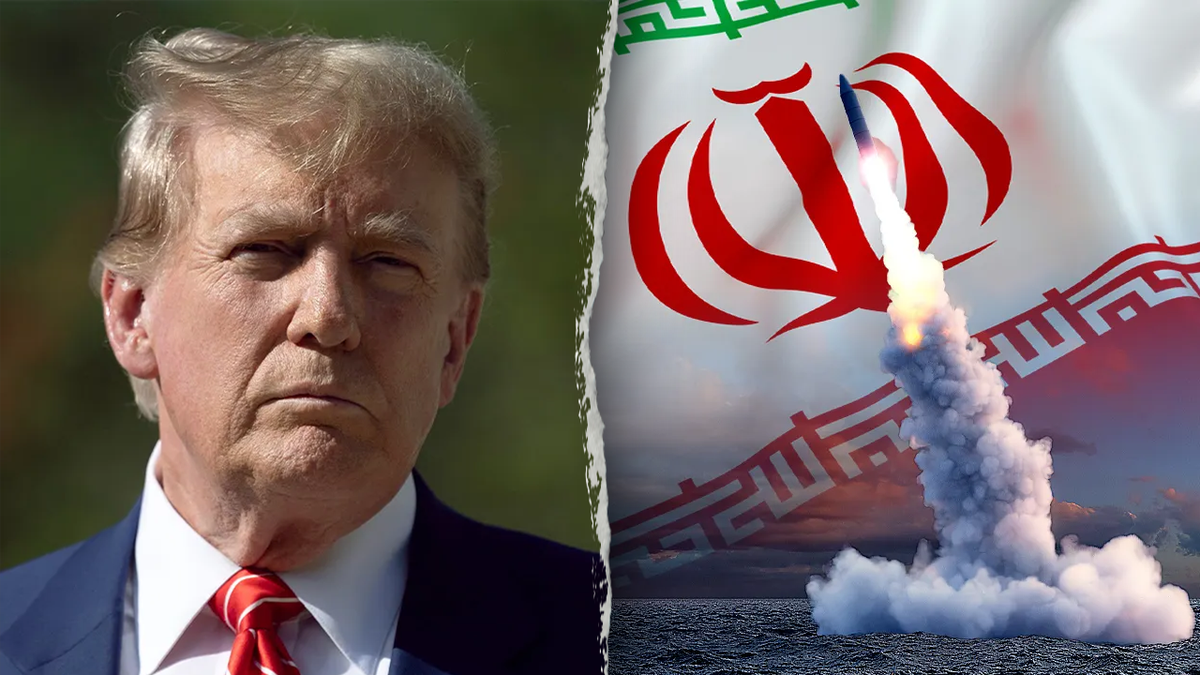
Donald Trump appears in a neon-colored jacket, sporting a voluminous 80s-style haircut and hammering away at a keyboard. He isn’t performing at a rally or giving a press conference; he is the centerpiece of an AI-generated parody that has transitioned from a niche YouTube channel to a tool of Iranian state diplomacy.
The clip uses the melody of the 1986 hit „Voyage, Voyage“ by French artist Desireless, but replaces the lyrics with a mocking commentary on the U.S. President’s approach to the Iran war. The parody has exploded across social media, gaining tens of millions of views after being amplified by the Iranian government’s diplomatic channels.
A Berlin satirist used AI to mock Trump’s Iran strategy
Willy Kramer, a Berlin-based satirist known by the pseudonyms „Snickers für Linkshänder“ and „Snicklink,“ produced the video. He first uploaded the content to his YouTube channel on Monday, where it initially struggled to gain traction, racking up roughly 36,000 to 40,000 views. In the current climate of rapid-fire digital content, the upload appeared to be a failure at first.
Kramer’s AI tool didn’t just mimic Trump’s image but synchronized his vocal tone to the music. The visual aesthetic is intentionally clownish, placing the U.S. President in a garish 80s setting that strips him of his usual authoritative posture. Kramer has already begun capitalizing on the viral success by offering fan merchandise related to the clip.
How the video reached millions via Iranian diplomacy
The Iranian embassy in South Africa transformed the video from a local joke into a global propaganda asset. By sharing the clip on its X account—which boasts nearly 170,000 followers—the embassy provided the catalyst for the video to go viral. From there, the clip was absorbed into the broader propaganda machinery of the Iranian regime.
Tehran’s digital strategy uses the video to frame Trump as a „clown of world politics.“ The narrative pushed through these channels suggests a leader who has lost his dignity and strategic footing regarding the Strait of Hormuz. This isn’t a new tactic for the regime; they previously employed similar methods of ridicule, such as using Lego animations to mock the U.S. President.
In the lyrics, Trump sings about impeachment and the Strait of Hormuz
The song’s lyrics focus heavily on the geopolitical tensions surrounding the Strait of Hormuz. The AI-Trump sings, „I will never give you up, the strait of Hormuz must be shut. Blockade, blockade. In my head just blockade.“ The lyrics shift between aggressive demands and a plea for ships to be allowed through, mocking the perceived inconsistency of U.S. Policy.
Personal failures are also woven into the parody. The lyrics claim that „MAGA and Melania exit me“ and conclude with the line, „I think soon I get impeached.“ By blending high-stakes international conflict with personal instability, the video targets both Trump’s political image and his private life.
Artist Claudie Fritsch-Mentrop rejects the parody
The employ of the original song has sparked a separate conflict with the artist who wrote it. Claudie Fritsch-Mentrop, known professionally as Desireless, expressed her disapproval of the video through the French medium BFM TV. She stated that she refuses to allow her music to be used without her consent, specifically objecting to its use by politicians.
Fritsch-Mentrop views the AI-generated version as a „defacement“ of her perform. Whereas the satirist and the Iranian embassy see the song as a vehicle for political commentary, the artist sees it as an unauthorized appropriation of her intellectual property for political warfare.
AI-generated mockery has become a standard diplomatic weapon
This incident reflects a broader trend where artificial intelligence is used to bypass traditional diplomatic decorum. Both the White House and the Iranian regime have integrated AI-generated mockery into their public relations strategies. Trump and his administration have frequently used AI to create satirical or exaggerated content targeting their opponents.
The shift toward „agile“ internet diplomacy allows states to fight for attention rather than just policy. By turning a head of state into a caricature, the goal isn’t to persuade the opponent, but to diminish their prestige in the eyes of a global audience. In this digital arms race, a 30-second song parody can achieve more reach than a formal diplomatic cable.
Who created the „Blockade, Blockade“ video?
The video was created by Willy Kramer, a satirist from Berlin who publishes content under the names „Snicklink“ and „Snickers für Linkshänder.“
Why did the video go viral?
While it started with low views on YouTube, it went viral after the Iranian embassy in South Africa shared it on X, leading to tens of millions of views across various propaganda channels.
What is the original singer’s position on the clip?
Claudie Fritsch-Mentrop (Desireless) has rejected the use of her song „Voyage, Voyage“ in the parody, stating she does not consent to her music being used by politicians.