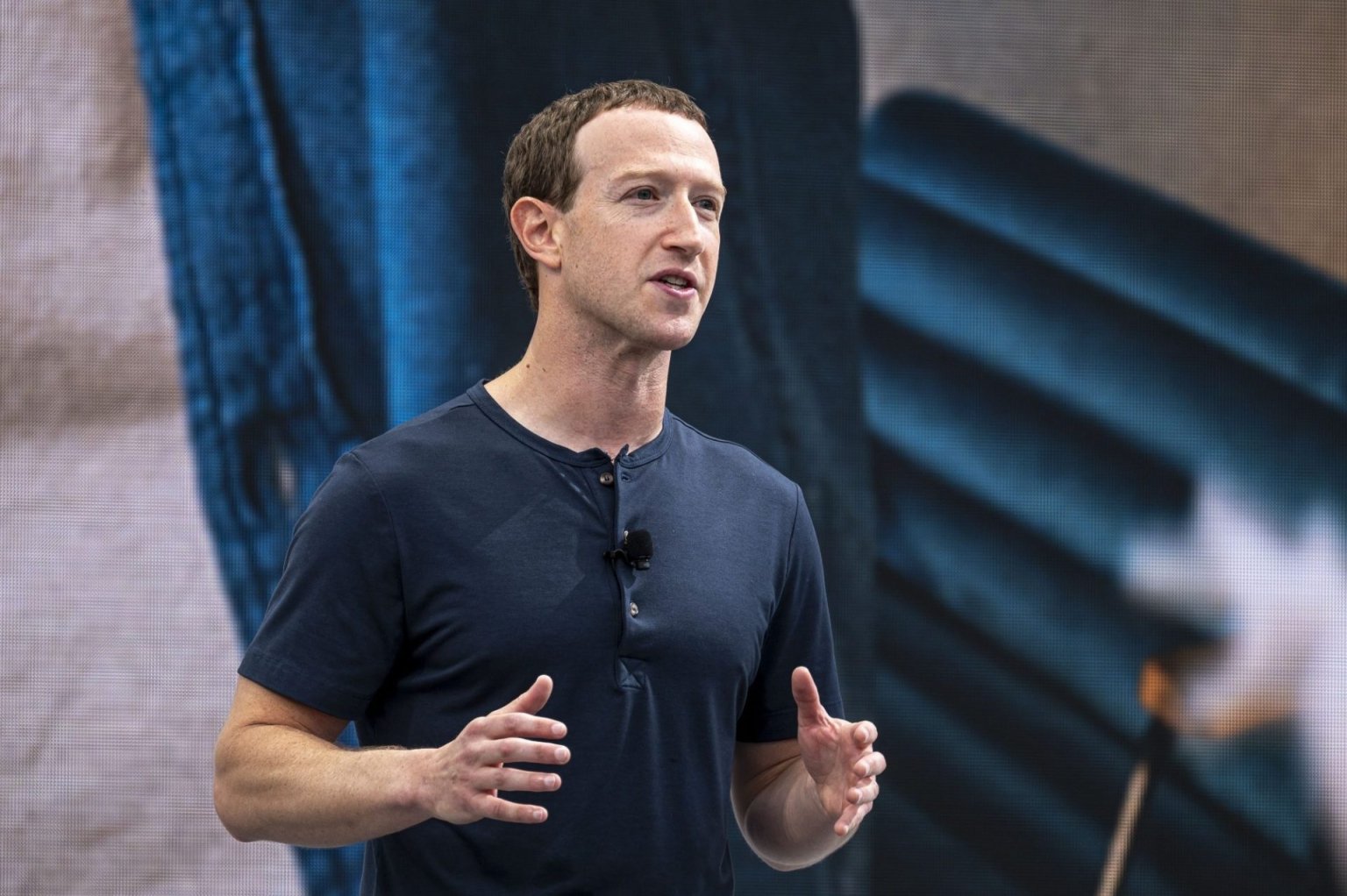
Internal Meeting Exposes Meta’s KI Challenges
In July 2026, a private server at Meta stored a leaked audio recording of an internal meeting where Mark Zuckerberg expressed frustration over the performance of the company’s AI agents. A source confirmed the leak, stating the recording was shared without leadership approval. The conversation, captured during a April 2026 session, revealed Zuckerberg’s blunt assessment: “The systems are not reliable enough to meet expectations.”
The leak occurred as Meta grappled with refining its AI platforms, which handle tasks like content moderation and customer service. A confidential source, speaking on condition of anonymity, said the incident unfolded during a period of strategic reevaluation. The recording’s release has intensified scrutiny of the company’s internal processes.
Meta’s Response and Internal Review
A Meta spokesperson confirmed the company is investigating the leak, though no details about the source were disclosed. “We take such incidents seriously and are reviewing whether internal policies were breached,” the statement said. Meanwhile, McKinsey analysts, who assessed Meta’s AI strategy in May 2026, noted the firm’s goals were “ambitious but realistic.” Their report cited internal documents outlining an “85% efficiency target” for AI agents.
The leak has reignited debates about Meta’s readiness to scale its AI systems. A European Union tech advisor, interviewed in June 2026, emphasized the need for “transparency in internal decision-making to maintain user trust.” Meta’s recent pledge to launch a “new generation of AI tools” by 2027, built on “decades of research,” underscores the stakes.
Public Perception and Regulatory Scrutiny
The leak risks undermining public confidence in Meta’s AI initiatives, particularly after past system failures. A June 2026 report highlighted recurring issues, including biased content moderation and service outages. The EU advisor’s comments align with growing calls for accountability, as regulators worldwide pressure tech giants to clarify their AI governance.
Meta’s upcoming internal audit of its AI systems, scheduled for October 2026, could shape its response. The company has also posted job listings for AI researchers, including a “Lead Researcher for AI Agents” role in Menlo Park. A spokesperson reiterated that “ensuring data integrity remains a top priority.”
Past Leaks and Current Patterns
This is not the first time Meta has faced internal leaks. In 2024, private discussions about data privacy practices surfaced, prompting a overhaul of communication protocols. Experts see parallels in the current situation, with AI development now under the spotlight. A July 2026 Wired report noted the “delicate balance between innovation and control in big tech.”

The 2024 incident led to stricter internal guidelines, but the recurrence suggests unresolved tensions. A Stanford University researcher, speaking in May 2026, argued that “internal criticism often provides the only objective insight into tech companies’ operations.”
The Broader Implications for AI Oversight
The leak highlights the complexities of managing AI at scale. As Meta navigates internal dissent and external pressure, its actions could set a precedent for other tech firms. A May 2026 Stanford speaker stressed that “transparency in AI development is not just a regulatory issue but a moral imperative.”
With the next AI system review looming, the question remains: Will Zuckerberg’s critique translate into tangible reforms? For now, Meta’s path forward hinges on reconciling its public promises with the realities of AI’s evolving challenges.
Find more reporting in our Technik und Wissenschaft section.