
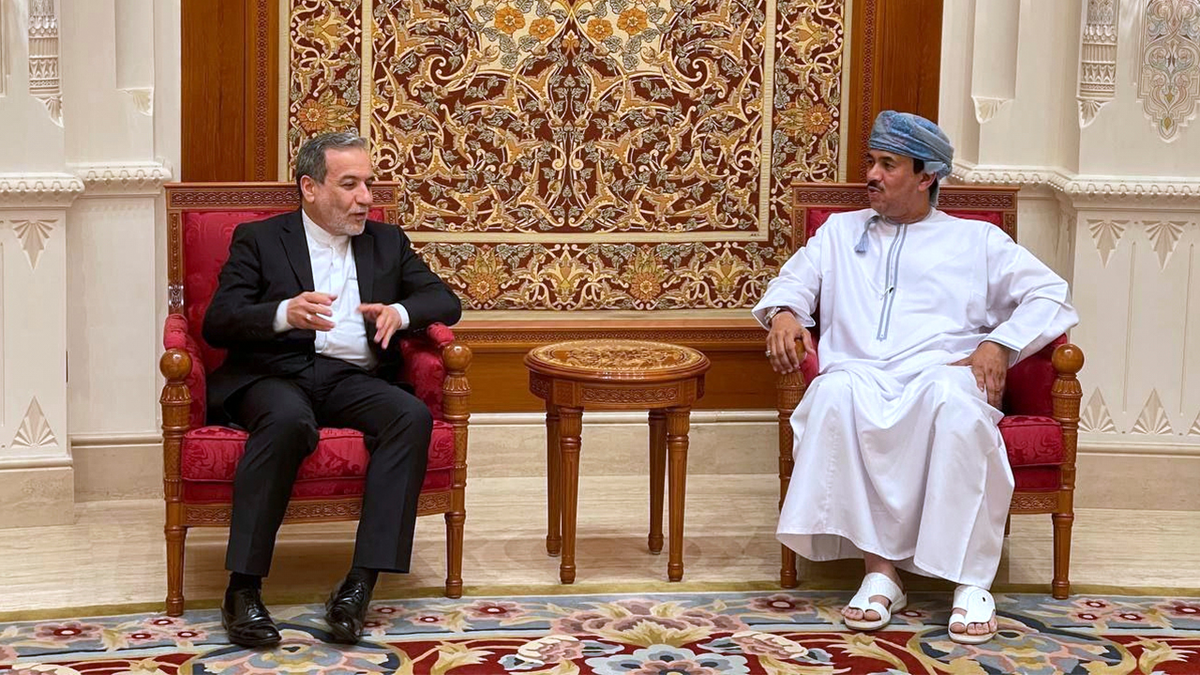
The Iranian foreign minister Abbas Araghchi is scheduled to meet Russian President Vladimir Putin in Moscow on Monday, April 28, 2026, as the war between Iran and a U.S.-Israeli coalition enters its second month.
The conflict began on February 28 with U.S. And Israeli air strikes, prompting Iran to militarily close the Strait of Hormuz, a chokepoint through which roughly one-fifth of global oil and liquefied gas shipments normally pass. The blockade triggered an immediate spike in energy prices worldwide.
In response to the energy crisis, German Bundestag Vice President Omid Nouripour of the Greens has traveled to Saudi Arabia and the United Arab Emirates to assess regional security and the war’s impact on global oil markets, according to his office.
Meanwhile, internet access across Iran has been nearly fully severed since the war’s start, with the government restricting users to a state-approved “national internet” containing only sanctioned websites. The presidential office claims the measures are temporary and imposed by the security council due to the war, insisting regular access will be restored after hostilities complete, though critics argue the blocks have cut millions of Iranians off from foreign contacts and devastated around one million online traders.
State institutions, security allies, and state-aligned media continue to operate with largely unrestricted internet access, creating a digital divide between the regime and the public. President Masud Peseschkian is reportedly opposed to restricted internet use for citizens, according to the presidency’s statement on Platform X, even as the government defends the blocks as necessary.
For more on this story, see Iranian Foreign Minister Abbas Araghchi Arrives in Islamabad for Talks Amid Rising Regional Tensions (78 characters).
On the southern Lebanese border, an Israeli soldier was killed and five others wounded in clashes with Hezbollah, the Israeli military said, despite an existing ceasefire. Israel maintains it reserves the right to strike Hezbollah targets in southern Lebanon to prevent imminent or ongoing attacks, a position that has kept tensions high along the frontier.
Russia, while a strategic ally of Iran, has made clear it will not provide military backing to Tehran in its confrontation with the U.S., offering only diplomatic support through the Kremlin. Araghchi’s visit underscores Iran’s effort to secure political backing as the war strains its economy and isolates it digitally.
This follows our earlier report, Iranian Foreign Minister Arrives in Pakistan for Weekend US Envoy Talks.
Why is Iran’s foreign minister traveling to Moscow now?
Abbas Araghchi is meeting Putin to seek diplomatic backing as Iran faces military pressure from the U.S. And Israel, economic strain from the Hormuz blockade, and domestic unrest linked to internet restrictions, with Russia offering political but not military support.

How has the war affected ordinary Iranians beyond the battlefield?
Millions of Iranians have lost contact with relatives abroad due to a near-total internet shutdown, while around one million online traders have lost livelihoods, even as state entities and pro-government media retain access to the global internet.
Auch interessant


