
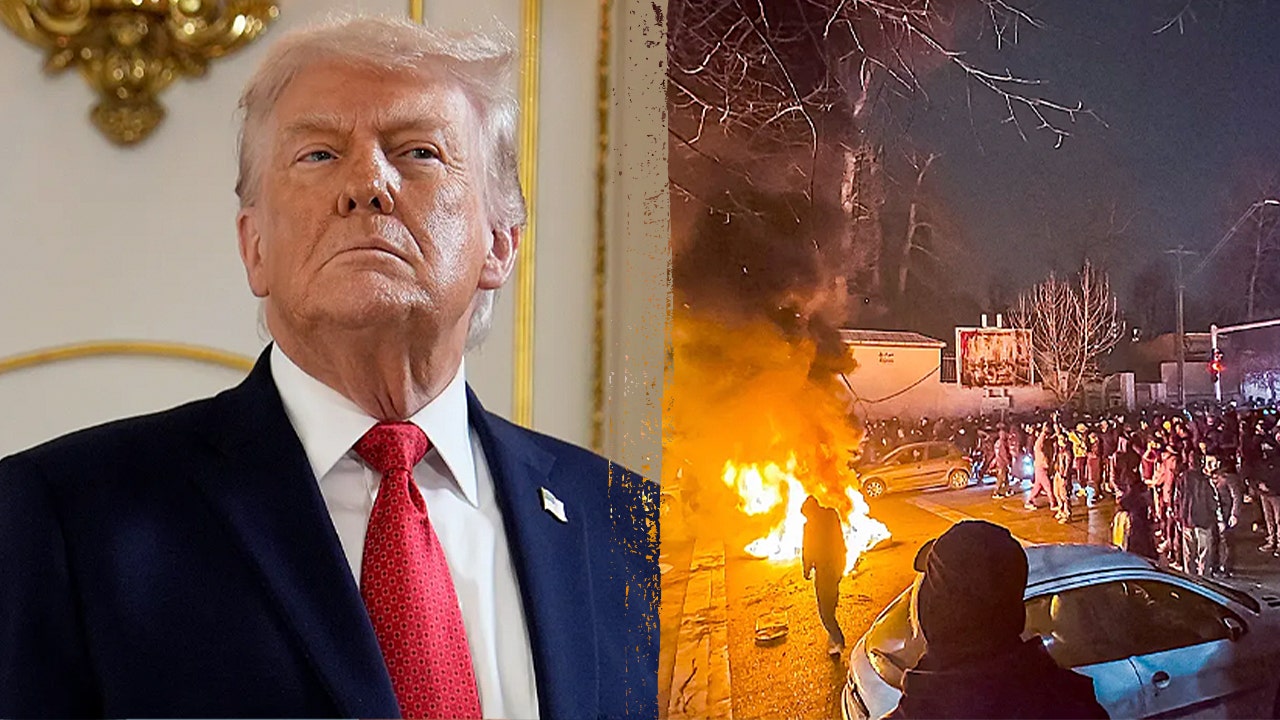
President Donald Trump has unilaterally extended the U.S.-Iran ceasefire, only to immediately threaten to „blow the rest of their country to pieces“ if Tehran does not comply with American demands to keep the Strait of Hormuz open.
The extension, announced on April 22, 2026, came at Pakistan’s request and follows a pattern of abrupt shifts in Trump’s approach to negotiations with Iran’s leadership. While the White House frames the move as a diplomatic opening, Tehran has denied requesting any extension and dismissed Trump’s claims as baseless, according to Iran’s state news agency Tasnim.
Trump’s subsequent statements on Truth Social escalated tensions dramatically, asserting that Iran’s economy is collapsing under U.S. Sanctions and that the country loses $500 million per day due to the ongoing blockade of the Strait of Hormuz. He warned that any Iranian attempt to keep the vital shipping lane open for oil exports would result in catastrophic military action, including strikes on Iran’s leadership.
The Iranian military responded in kind, declaring full readiness to retaliate against both the U.S. And Israel should aggression continue. A spokesperson for Iran’s armed forces told state media that their “finger is on the trigger” in response to American threats, vowing powerful strikes on U.S. Forces and what they termed the “Zionist entity.”
Behind the scenes, diplomatic channels remain strained. Vice President JD Vance’s planned trip to Pakistan for a second round of talks was canceled, and Iranian officials have signaled they will not engage in negotiations conducted under duress. Despite this, Trump told the Modern York Press that a new round of talks could begin as early as Friday, with Pakistani officials indicating a window of 26 to 72 hours for resumption.
The White House has framed the extension as a short-term tactical move, with officials including press secretary Karoline Leavitt stating that while no fixed deadline was set for Iran’s response, the president ultimately controls the timeline. Reports from Axios, Fox News, and CNN suggest Trump is prepared to extend the ceasefire by only three to five days, using the brief window to pressure Iran into presenting a unified proposal for renewed negotiations.
For more on this story, see Trump Extends Iran Ceasefire Indefinitely Amid Ongoing Strait Blockades.
Meanwhile, military activity in the Strait of Hormuz has intensified. Iran’s Revolutionary Guard Navy reportedly seized two container ships — the MSC Francesca and Epaminondas — redirecting them toward Iranian waters. A third vessel, the MV Euphoria, was previously attacked and later ran aground off Iran’s coast, underscoring the volatility of the maritime corridor through which roughly one-fifth of global oil passes.
The contradiction at the heart of the situation is stark: Trump presents the ceasefire extension as a gesture toward diplomacy while simultaneously issuing ultimatums that undermine the very conditions needed for negotiation. His approach blends coercion with the language of deal-making, creating a scenario where the path to peace is narrowed by the very actions meant to open it.
The administration’s reliance on public threats via social media, particularly Truth Social, has become a defining feature of its foreign policy communication, bypassing traditional diplomatic channels and raising questions about the coherence of its strategy. Allies and adversaries alike are left guessing whether the next move will be a deal or a strike.
This follows our earlier report, Iran extends Strait of Hormuz blockade until ceasefire ends, oil prices plunge.
For Iran, the dual pressure of economic strangulation and military posturing creates a difficult calculus. While the regime faces internal strain from sanctions and declining oil revenue, its leadership has consistently framed any negotiation under threat as unacceptable, insisting on dignity and sovereignty in talks.
As the clock ticks on the brief extension, the region waits to see whether this latest maneuver will open a narrow path to de-escalation or simply reset the countdown to the next confrontation.
Why did Trump extend the ceasefire if he intends to threaten military action?
Trump framed the extension as a response to Pakistan’s request and an opportunity to pressure Iran into negotiations, but his simultaneous threats suggest the move is intended to strengthen his bargaining position by combining a brief diplomatic opening with the credible threat of force.

Has Iran agreed to the ceasefire extension?
No. Iranian officials, including those cited by the Tasnim news agency, have denied requesting any extension and expressed skepticism toward Trump’s claims, stating they will not negotiate under conditions of threat or duress.
Verwandte Artikel


