
The statistical reality of malignant brain tumors, specifically astrocytomas, remains stark. In seven out of ten cases, the cancer returns after initial therapy. For patients facing this diagnosis, the five-year survival rate is limited to 5%.
The difficulty in treating these tumors stems from their biological behavior. Astrocytomas grow aggressively and are invasive, meaning the cells weave into the surrounding healthy brain tissue. This makes complete surgical removal technically difficult, as separating the malignancy from vital healthy tissue often proves impossible.
Current medical protocols rely on a combination of surgery, radiation, and chemotherapy. However, the effectiveness of pharmaceutical interventions is hampered by the brain’s own defensive architecture. A collaborative project between Empa and the HOCH Health Ostschweiz hospital network in St. Gallen is now focusing on a different approach using nanozymes to improve these survival odds.
The Biological Barrier to Chemotherapy
The primary obstacle in neuro-oncology is the blood-brain barrier. This physiological shield is designed to protect the brain from harmful substances and fluctuations in the bloodstream, acting as a highly selective filter. While this protection is essential for neurological health, it creates a significant problem for oncology.
Many potent chemotherapy drugs are unable to penetrate this barrier in sufficient concentrations to eliminate tumor cells. When medication cannot reach the site of the malignancy, the treatment becomes less effective, contributing to the high rates of recurrence seen in astrocytoma patients.
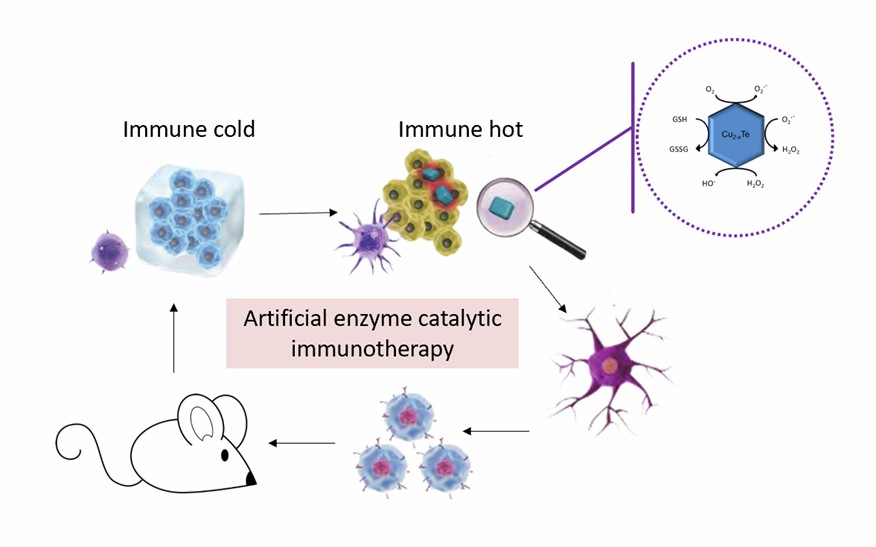
The research team in St. Gallen is attempting to solve this by removing the barrier from the equation entirely. Rather than attempting to force medication through the bloodstream and across the blood-brain barrier, they are developing nanomedicines designed for direct application. By introducing these bio-compatible nanomaterials into the brain during the surgical removal of the tumor, the medical team can place the active agents exactly where they are needed, bypassing the body’s natural defenses.
Targeting Tumors via Metabolic Activity
Direct application is only the first step. The second challenge is ensuring that the nanomedicines target the remaining cancer cells without damaging the surrounding healthy brain tissue. The researchers are leveraging the biological differences between malignant and healthy cells to achieve this precision.
Cancer cells are characterized by a particularly active metabolism compared to healthy cells. The nanozymes are engineered to exploit this metabolic disparity. Because of this high activity, the active ingredients in the nanomedicines accumulate specifically within the tumor tissue.
This targeted accumulation allows for a more precise attack on the invasive cells that surgery might have missed. By focusing the therapeutic effect on the malignancy, the approach seeks to be gentler on the patient than systemic chemotherapy, which often affects the entire body and causes widespread side effects.
Precision Activation with Near-Infrared Light
To further refine the accuracy of the treatment, the project incorporates a trigger mechanism using near-infrared light. The nanozymes are not permanently active; instead, they can be activated through the application of specific light frequencies.
Near-infrared light is capable of penetrating biological tissue more effectively than visible light. By using this light source, researchers can trigger the nanozymes to release their therapeutic effect at a precise moment and in a precise location. This approach allows for a particularly precise effect during the treatment process, focusing the activation of the medication within the targeted areas.
This intersection of nanotechnology and optics is being developed to facilitate a targeted therapeutic approach. The objective is to create a system where the medication is delivered surgically, accumulates metabolically, and is then activated optically to increase the precision of the treatment.
Institutional Funding and Collaborative Framework
The development of these nanomaterials is a multi-institutional effort. The project is led by a neurosurgeon and supported by the Nanomaterials in Health laboratory at Empa in St. Gallen.
Financial backing for the research is provided by a network of philanthropic organizations. The Swiss Cancer Foundation and the Hedy Glor-Meyer Stiftung are primary supporters, alongside four additional foundations. This collaborative funding model allows the project to bridge the gap between materials science—the creation of the nanozymes—and clinical application—the surgical implementation in a hospital setting.
The partnership between the Empa researchers and the HOCH Health Ostschweiz hospital network ensures that the technical development of the nanomaterials remains aligned with the practical needs of neurosurgeons. This collaboration supports the development of a therapy intended to be administered during an active surgical procedure.
While the project aims to improve healing chances, it remains in a development phase. Researchers are continuing to evaluate the nanomaterials and the light-activation process as part of the ongoing project development.
What to watch
The progression of this technology through its various research stages will be a key area of interest. Observers should monitor whether the targeted accumulation in tumor tissue translates to a measurable reduction in recurrence rates in human subjects.
Additionally, the scalability of the near-infrared activation process will be critical. The ability to consistently activate nanozymes across different tumor shapes and depths will determine if this approach can be standardized across various neurosurgical centers.
Finally, the continued study of these nanomaterials and their behavior within the brain will be essential for the project’s advancement toward potential clinical use and the establishment of safety profiles.
Verwandte Artikel


