
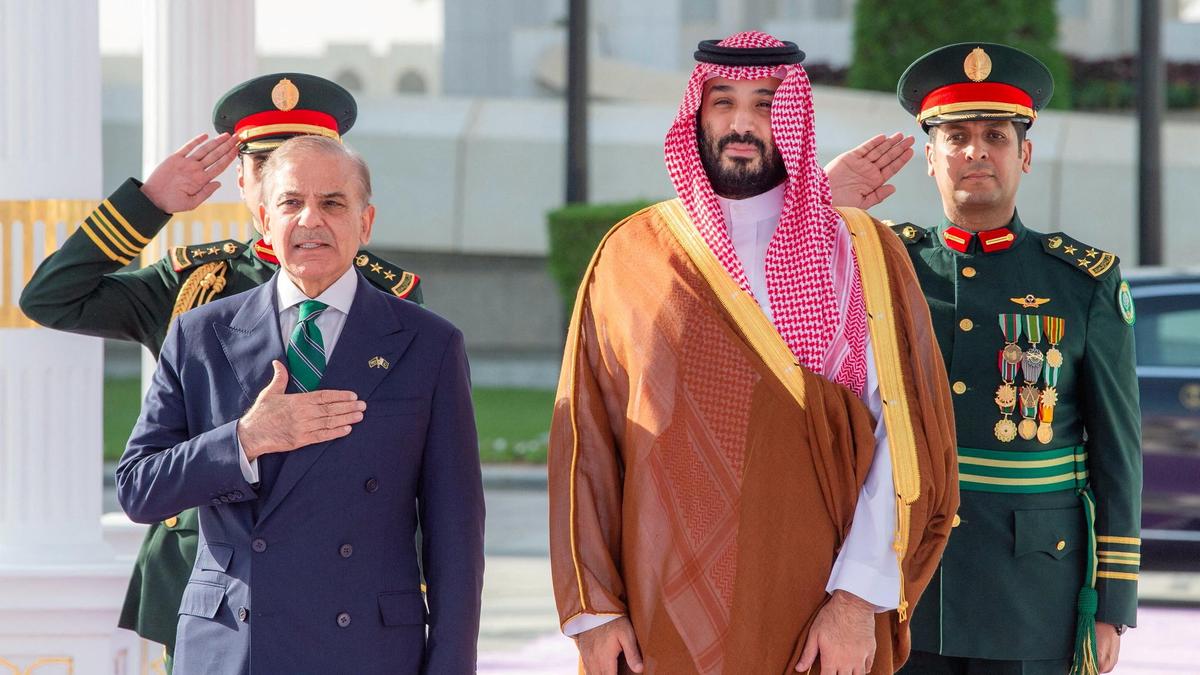
Pakistani military and government officials met with Iranian and Saudi leaders on Wednesday to negotiate an end to the US-Israeli war on Iran. A source told Al Jazeera that Islamabad expects a „major breakthrough“ specifically tied to Iran’s nuclear programme as part of these diplomatic efforts.
Why Pakistan is mediating the conflict
Islamabad’s sudden emergence as a key interlocutor reflects a pragmatic shift in regional power dynamics. By positioning itself between Tehran, Riyadh, and the Western coalition, Pakistan aims to prevent a total regional collapse that would inevitably spill across its own borders.
It’s a high-stakes gamble.
The inclusion of Saudi Arabia in these talks suggests a coordinated effort to stabilize the Gulf. If Pakistan can leverage its relationship with Iran to secure nuclear concessions, it might provide the US and Israel with the off-ramp they need to cease active hostilities without appearing to concede defeat.
How the nuclear issue complicates the peace deal
The nuclear programme remains the primary friction point. A breakthrough here wouldn’t just be a technical agreement on centrifuges or uranium enrichment; it would be the price of admission for a ceasefire.
The US and Israel have long viewed Iran’s nuclear ambitions as an existential threat. Any deal brokered by Pakistan must satisfy the demand for verifiable limits on Tehran’s capabilities, or the war is likely to resume.
The risk is that a „breakthrough“ might be too superficial to last. If the agreement lacks rigorous enforcement, it may only serve as a tactical pause rather than a permanent resolution.
What is Pakistan’s specific goal in these negotiations?
Pakistan is working to negotiate an end to the US-Israeli war on Iran, specifically seeking a breakthrough regarding Iran’s nuclear programme.
Who participated in the Wednesday meetings?
Pakistani military and government officials met with leaders from both Iran and Saudi Arabia.
Auch interessant


