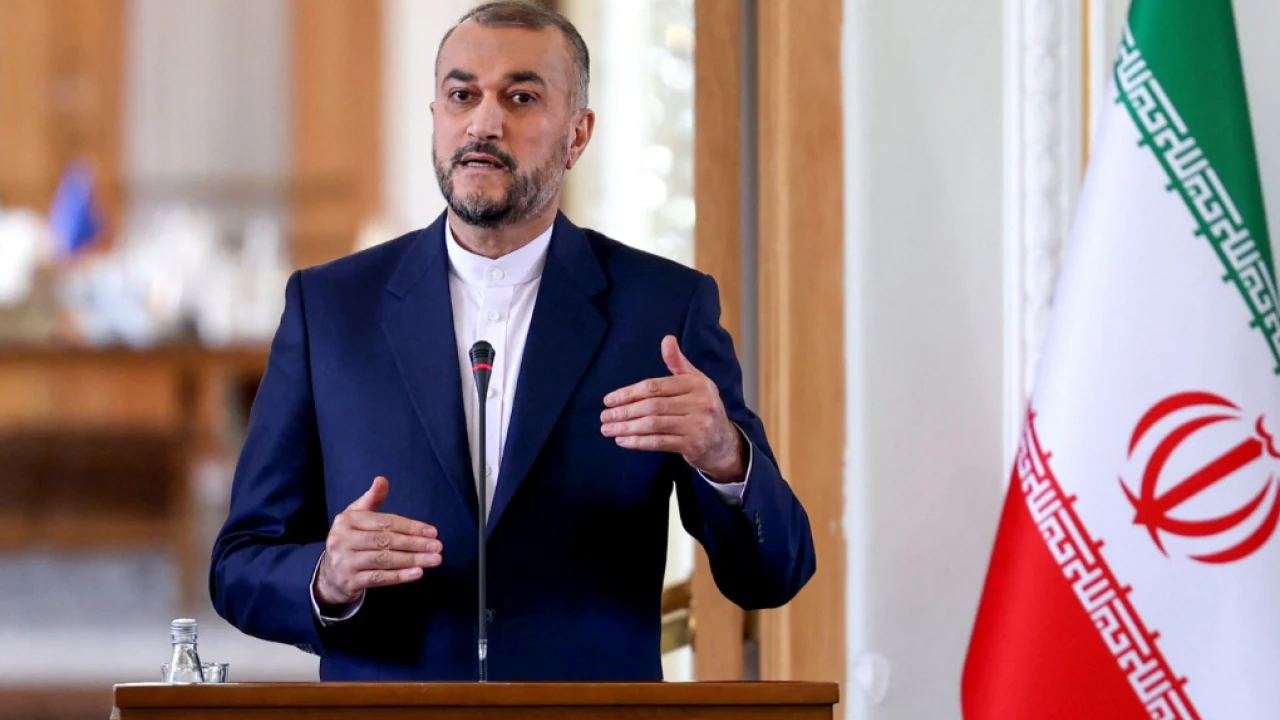
Iranian Foreign Minister Abbas Araghtschi arrived in Islamabad on Friday evening, setting the stage for weekend talks with US envoys Steve Witkoff and Jared Kushner, who are expected to depart for Pakistan on Saturday.
The White House confirmed the trip after Araghtschi’s arrival, stating that Kushner and Witkoff would meet with Iranian delegation representatives to discuss a possible end to the Iran conflict, following a reported outreach from Tehran in response to a direct appeal from President Trump.
Although, Iranian officials deny any planned direct meeting with the American side. Araghtschi’s ministry spokesperson Ismail Baghaei emphasized that the foreign minister would only engage with Pakistani officials, including military chief Asim Munir and Foreign Minister Ishaq Dar, and dismissed as false the claim by US Press Secretary Karoline Leavitt that Iran had requested a personal encounter with the US delegation.
The Iranian state-linked Tasnim news agency, often viewed as a mouthpiece for the Revolutionary Guards, echoed this denial, labeling Leavitt’s statement inaccurate and reinforcing Tehran’s position that no face-to-face talks are scheduled.
This divergence in accounts leaves it uncertain whether the parties are exchanging messages solely through Pakistani intermediaries or if direct negotiations are underway, a ambiguity that has characterized recent diplomatic efforts.
Pakistan has previously hosted talks between Iranian and US representatives two weeks ago, which ended without result, with the freedom of navigation in the Strait of Hormus and Iran’s nuclear program remaining the central sticking points.
Trump had conditioned a ceasefire on Tehran lifting its blockade of the Strait, while maintaining US sanctions on Iranian ports, and on Tuesday extended the existing truce indefinitely shortly before its expiration.
For more on this story, see Iranian Foreign Minister Abbas Araghchi Arrives in Islamabad for Talks Amid Rising Regional Tensions (78 characters).
The renewed diplomatic push comes amid internal pressure in Washington, with Senator Roger Wicker urging Trump on Saturday to abandon the ceasefire and resume military action, arguing that only the total destruction of Iran’s conventional military and nuclear remnants could ensure lasting regional stability.
Wicker’s call, posted on platform X, reflects a hardline faction within the Republican Party that views diplomacy as futile and military force as the only viable path forward, a stance that directly contradicts the administration’s current emphasis on negotiation.
This tension mirrors the split seen during the 2020–2021 period, when similar calls for escalation emerged after indirect talks in Oman failed to produce a breakthrough on uranium enrichment limits, ultimately leading to a temporary collapse of negotiations before backchannel diplomacy revived the process.
What are the core issues blocking a deal between Iran and the US?
The two main obstacles remain Iran’s nuclear program, which Western nations suspect is aimed at developing weapons capability despite Tehran’s denials, and the demand for unimpeded shipping through the Strait of Hormus, which Iran has periodically restricted amid regional tensions.

How does the current diplomatic effort differ from previous attempts?
Unlike earlier rounds that involved senior officials like Vice President JD Vance leading the US delegation, this round relies on Kushner and Witkoff as primary interlocutors, with Vance remaining engaged from Washington but not traveling, signaling a shift in tactical approach while maintaining strategic oversight.
Why is there confusion over whether direct talks are happening?
US officials say Iran requested a personal meeting after Trump’s appeal, while Iranian representatives state Araghtschi is only speaking with Pakistani mediators and deny any planned encounter with the American side, with Tasnim calling the US claim false.
What happens if these talks fail?
If negotiations collapse, hardliners like Senator Wicker advocate for resuming military strikes to dismantle Iran’s military and nuclear infrastructure, though the administration has so far chosen to extend the ceasefire and pursue diplomacy despite internal pressure.