
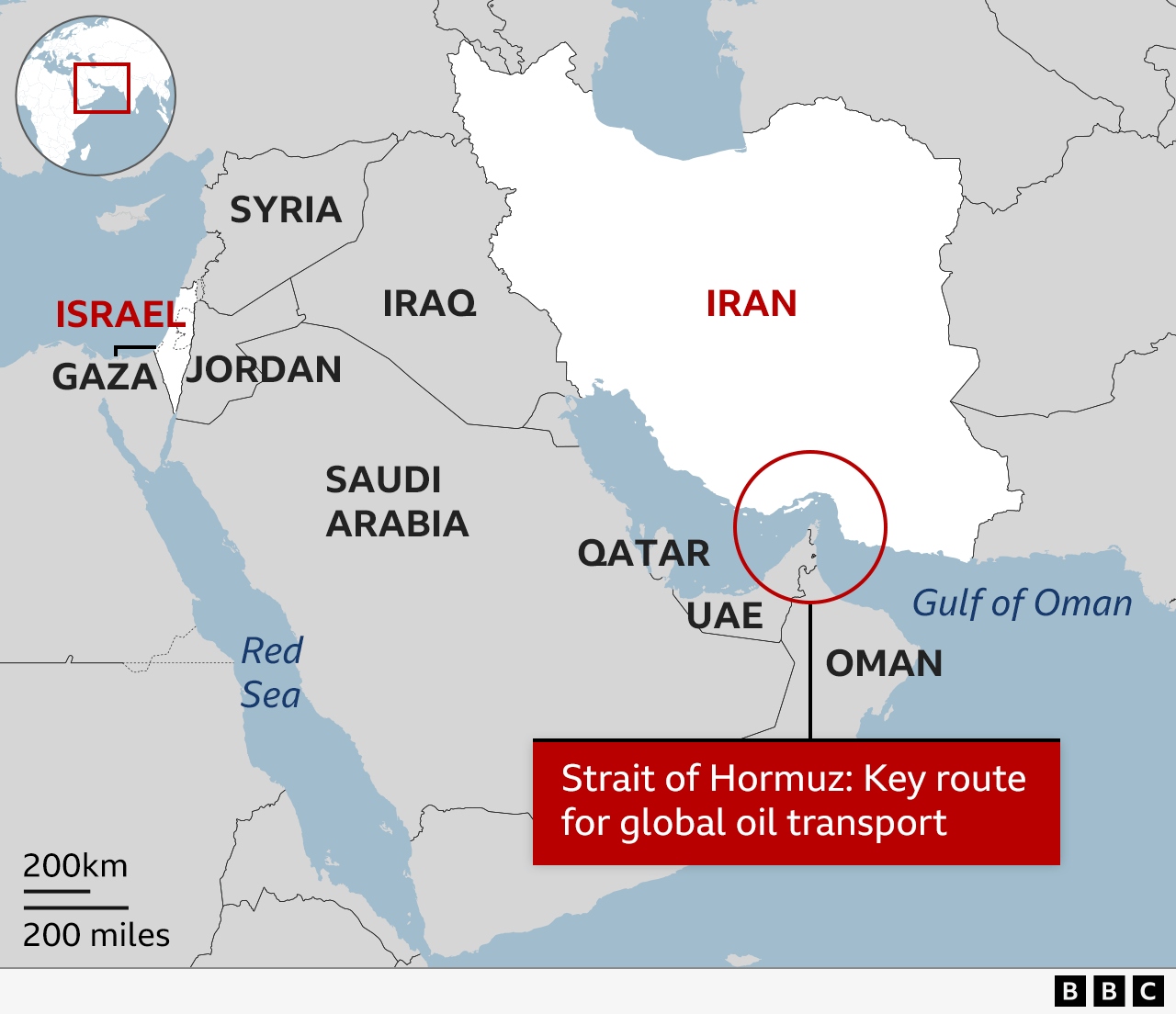
Iran’s parliament speaker warned that the Strait of Hormuz will close again if the United States maintains its naval blockade on Iranian ports, reversing an earlier announcement of full openness tied to the Lebanon ceasefire.
Mohammad Bagher Ghalibaf wrote on X early April 18 that the strait “will not remain open” should the blockade continue, asserting that passage requires Iranian authorization.
The warning came hours after Foreign Minister Abbas Araghchi told Spiegel that commercial vessels may transit via a coordinated route declared by Iran’s port and shipping authority, with Brent crude falling over eight percent to $91.11 per barrel and WTI dropping more than nine percent to $85.90.
Iran links strait access to Lebanon truce duration
On Friday, following the Israel-Lebanon ceasefire, Tehran announced unhindered passage for all merchant ships through Hormuz for the remainder of the truce, a move welcomed by President Trump despite his insistence on keeping sanctions on Iranian oil exports.
Trump reiterated on Truth Social that the naval blockade would remain “in full force” until a comprehensive deal is reached, expressing confidence that an agreement could be secured “extremely quickly.”
For more on this story, see Donald Trump claims Iran nuclear deal near as military action called a ‚little detour‘.
Military commanders say response drills are routine
Esmail Bakaei, spokesperson for the Foreign Ministry, dismissed the idea that decisions are made online, stating that openings and closures are determined on the ground and that Iranian forces know “how to react to any move by the opposing side.”

Blockade has chokepoint under de facto Iranian control since February
Since the start of the Iran conflict in late February, the Revolutionary Guard has largely sealed the strait, through which about one-fifth of global oil and liquefied gas shipments normally pass, driving up benchmark prices worldwide.
Why did Iran reverse its openness pledge so quickly?
Parliament speaker Ghalibaf said the reversal followed Trump’s refusal to lift the blockade, which Tehran had interpreted as a concession in exchange for the Hormuz opening tied to the Lebanon truce.
What mechanism does Iran claim controls strait access?
Iranian officials insist that passage requires Tehran’s permission and is decided through military and maritime channels on the ground, not via online announcements or foreign policy statements.
Weiterlesen


