
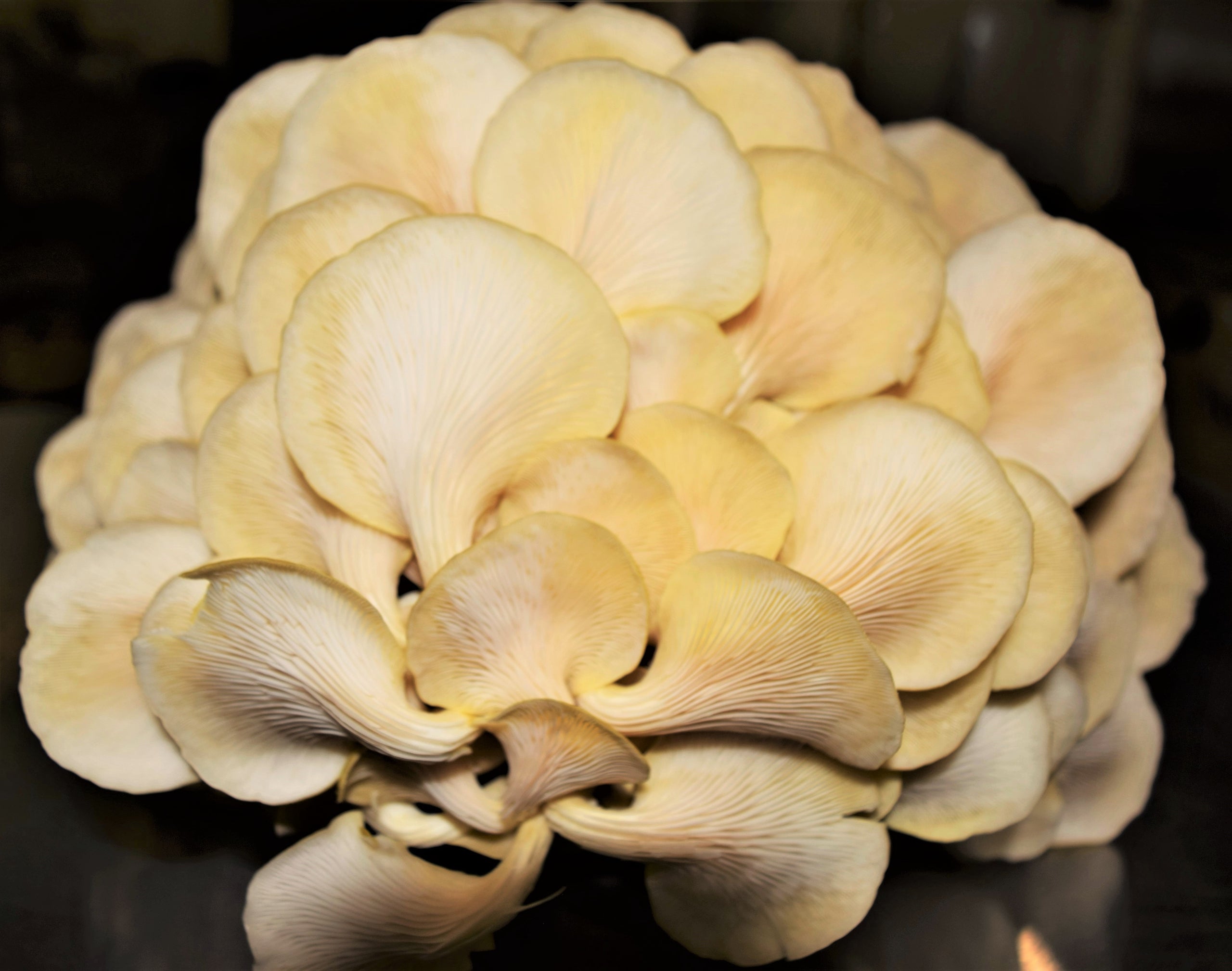
Golden oyster mushrooms, prized for their bright yellow caps and culinary appeal, are spreading into Florida’s natural forests from backyard kits and market stalls.
Michelle Jusino warns the mushroom is altering forest ecosystems
Michelle Jusino, assistant professor of forest pathology at the University of Florida’s Institute of Food and Agricultural Sciences, says the species is no longer contained to cultivation. We see now appearing in wild forests across the state, where it outcompetes native fungi and reduces biodiversity. Her concern stems from fieldwork showing golden oyster colonization leads to fewer fungal species on dead elm trees and shifts in the overall fungal community. Some ecologically or medicinally vital natives are diminished, while only a few species tolerate coexistence.
The spread traces back to everyday human activity
Jusino’s warning builds on a Wisconsin field study she helped design during her time with the U.S. Forest Service. That research linked the mushroom’s expansion to routine actions like buying grow-your-own kits, cultivating at home, and transporting specimens. Community science platforms such as iNaturalist and Mushroom Observer provided the data, revealing the golden oyster has spread to over 25 U.S. States in roughly a decade. In 2016, it was found in the wild in just five states, all in the Midwest, and Northeast. Today, fewer than 10 states east of the Mississippi lack records of wild occurrence.
Early arrival points to a silent invasion
Earlier perform by Andrea Bruce suggests the golden oyster first entered U.S. Wild environments in the early 2010s. Jusino describes its southward movement as “really terrifying,” noting the mushroom’s ability to establish in forests far from its original introduction points. While it remains a favorite in kitchens and markets, its ecological impact raises questions about the boundaries between cultivation and conservation. The researcher urges growers to recognize that not all cultivated fungi stay where they are placed.
Can golden oyster mushrooms be safely grown at home?
Jusino does not oppose cultivation but stresses responsibility: growers should avoid dispersing spores or fragments outdoors and consider containing their setups to prevent escape into natural areas.
Is there evidence the mushroom harms trees directly?
The source does not state that golden oyster mushrooms attack living trees; Jusino’s research focused on dead elm trees, where the invader altered fungal communities growing in decaying wood.
Verwandte Artikel


