
New research confirms early dementia signs may appear in gut bacteria years before memory loss, offering hope for blood-based screening while costly antibody therapies fail to improve daily functioning.
Gut microbiome changes predict cognitive decline with 79 percent accuracy in UEA study
Scientists at the University of East Anglia analyzed stool and blood samples from 150 adults over 50, using an AI model to classify cognitive health with 79 percent accuracy based on microbial metabolic shifts. The findings, published in Gut Microbes, suggest subtle biochemical changes from gut bacteria could signal dementia risk long before symptoms emerge.
Mouse experiments confirm gut-brain axis role in memory loss
Transplanting gut flora from aged to young mice triggered measurable cognitive decline within four weeks, linked to the bacterium Parabacteroides goldsteinii reducing vagus nerve activity by 60 percent and impairing hippocampal plasticity. Electrical stimulation or specific compounds restored mouse cognition within three weeks, supporting the axis as a modifiable pathway.
Antibody therapies clear brain plaques but show no clinical benefit after 18 months
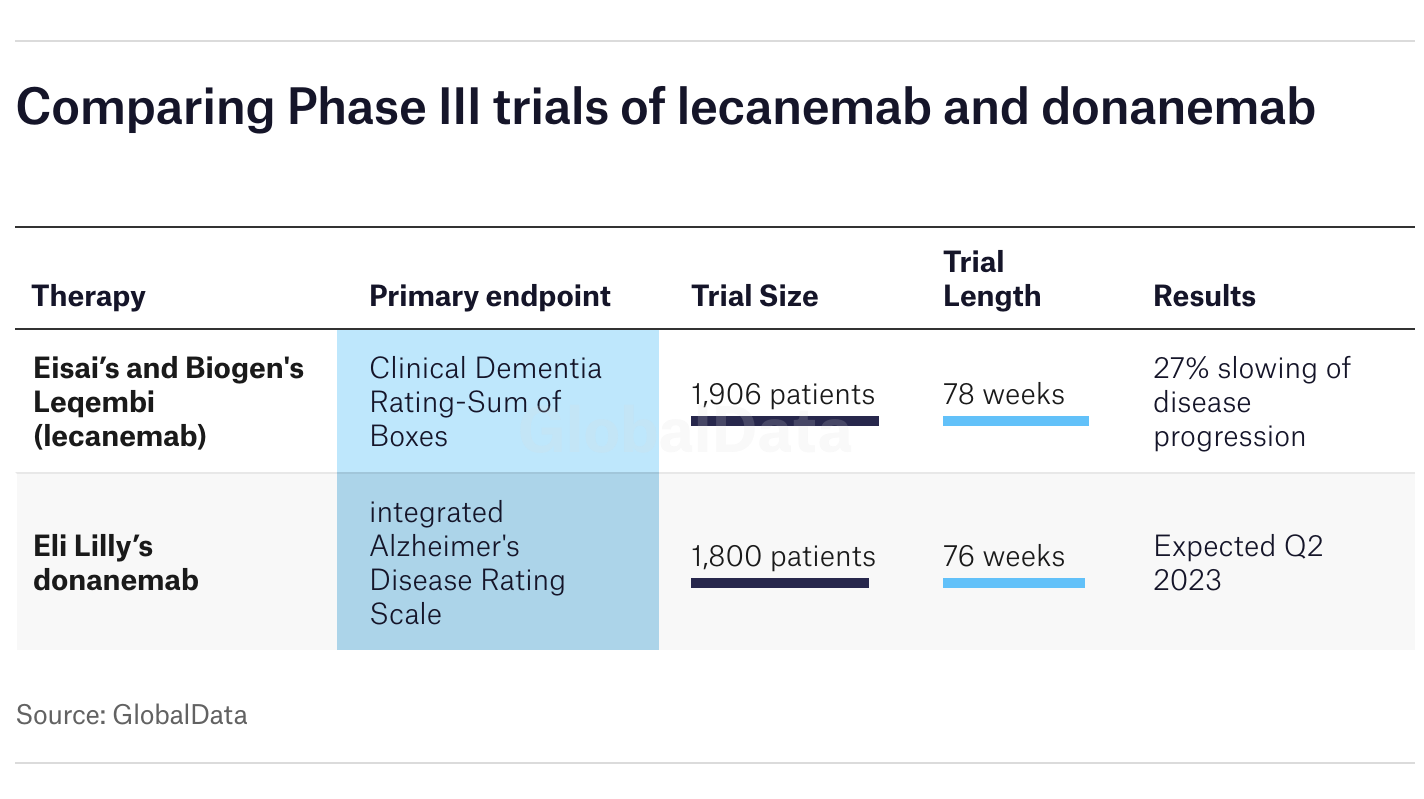
A Cochrane Review of 17 studies involving over 20,000 Alzheimer’s patients found anti-amyloid antibodies reduced protein deposits in the brain yet failed to deliver meaningful improvement in daily functioning after 18 months, while increasing risks of brain swelling and other side effects.
German regulators reject added value for Lecanemab and Donanemab
The Gemeinsame Bundesausschuss determined in February and April 2026 that Lecanemab and Donanemab provided no additional benefit over standard care, despite their inclusion for the first time in the updated S3 dementia guideline. Price negotiations with health insurers remain unresolved.
Prevention could avert up to half of dementia cases as drug options disappoint
With pharmaceutical interventions showing limited clinical returns, experts emphasize lifestyle prevention, noting up to 50 percent of dementia cases may be avoidable through early risk identification and targeted interventions.

How soon could a gut-based blood test for dementia risk become available?
Researchers aim to develop a screening tool detecting microbial metabolites years before symptoms, but no timeline for clinical deployment was specified in the studies.
Why are amyloid-clearing drugs failing to improve patient outcomes despite reducing brain plaques?
While antibodies effectively lower amyloid deposits, they have not demonstrated measurable benefits in memory, independence, or daily life after 18 months of treatment, suggesting plaque reduction alone may not halt cognitive decline.
Weiterlesen


